
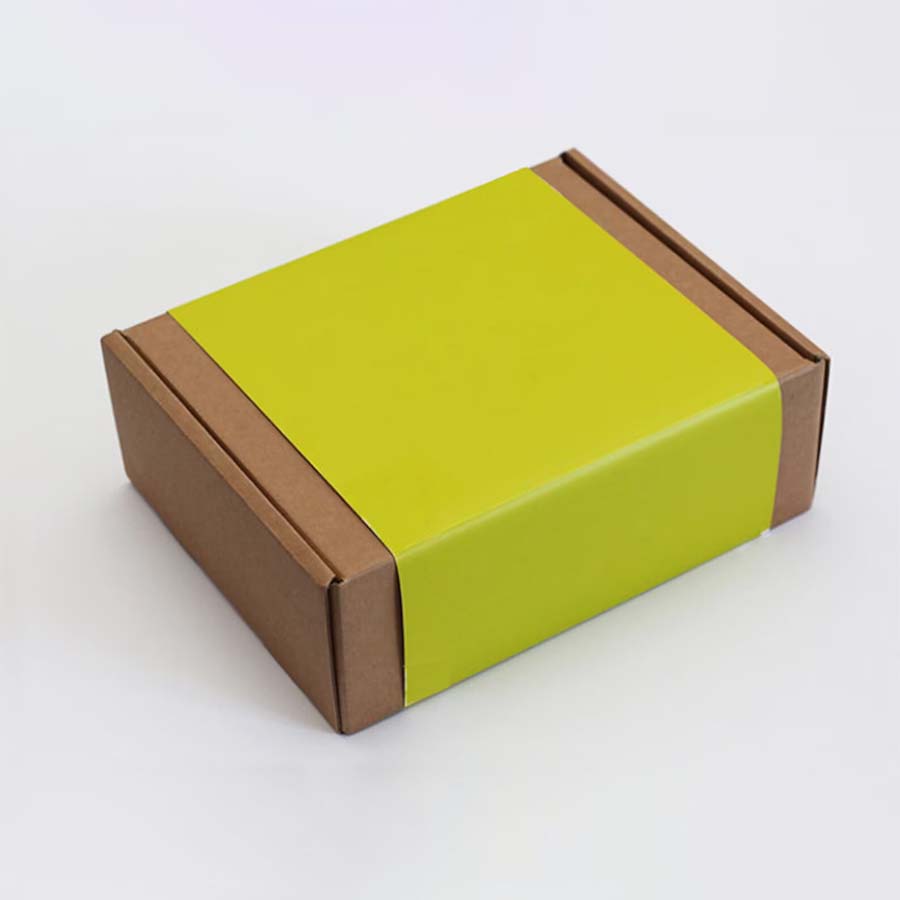
There’s a particular kind of packaging that people barely notice until they actually need it, and sleeve packaging is exactly that. It’s the slim, open-ended wrap you slide around a cup, a box, a candle, or a snack, and it does its job so quietly that most customers never stop to think about it. But if you’re running a food business, a retail brand, or anything that ships or sells physical products, sleeves are worth paying a lot more attention to than they usually get.
This article walks through what sleeve packaging actually is, where it works best, the materials and finishes worth knowing about, and a few practical mistakes businesses tend to make when they order their first batch.
What Exactly Is Sleeve Packaging
At its core, a sleeve is a wraparound piece of packaging that’s open on both ends, sliding over a product or its inner packaging like a belt rather than fully enclosing it. Think of the paper band around a coffee cup or the printed wrap around a candle jar. It’s not meant to be the primary protective layer most of the time. Instead, it adds branding, grip, insulation, or a bit of extra structure to something that’s already mostly packaged underneath.
That simplicity is actually the appeal. Sleeves are cheaper to produce than a full box, they use less material, and they can be applied quickly during packing without needing complex assembly. For a lot of businesses, that combination of low cost and high visual impact makes sleeves one of the more efficient packaging decisions they can make.
Where Sleeve Packaging Shows Up Most
Food and Beverage
This is probably the category most people associate with sleeves, and for good reason. Coffee cup sleeves are everywhere, insulating the cup and giving a hand something to grip without getting burned. Bakery boxes often use a printed sleeve instead of a full custom box, keeping costs down while still looking branded on the shelf.
Custom hot dog sleeves are a smaller but genuinely useful example of this. A simple paper sleeve wrapped around a hot dog does two things at once: it keeps grease and condiments from getting all over the customer’s hand, and it gives a food truck or stadium vendor a clean spot to print their logo. It’s a small, inexpensive add-on that quietly reinforces branding at the exact moment someone’s eating your product.
Retail and Gift Packaging
Sleeves show up a lot in retail too, especially for products that already have their own inner packaging, like a soap bar wrapped in tissue or a small gift box that needs a bit more visual polish. A printed sleeve slipped over a plain kraft box can completely change how premium something feels without the cost of a fully custom printed box underneath.
Candles and Cosmetics
Candle jars in particular lean on sleeves a lot. Rather than printing directly on glass, which is expensive and limits reprint flexibility, brands slide a printed paper sleeve over the jar. It’s cheaper, easier to update seasonally, and lets a brand run limited edition designs without committing to a whole new production run of glass.
Subscription and E-commerce Boxes
Some subscription and e-commerce brands use sleeves as an outer layer over a plain shipping box, turning an otherwise generic brown box into something that looks intentional the moment it’s picked up. It’s a low-cost way to add an unboxing moment without redesigning the entire box structure.
Materials Worth Knowing About
Not all sleeves are built the same, and the material choice changes both cost and performance quite a bit.
Kraft paper is the most common choice for food-related sleeves, largely because it’s affordable, recyclable, and has that natural, slightly rustic look that a lot of food brands lean into on purpose. It holds printing reasonably well and works fine for light to moderate insulation needs, like coffee cups or hot dog wraps.
Corrugated stock gets used when a sleeve needs to provide a bit more rigidity or insulation, particularly for hot beverage cups where a flimsier material wouldn’t hold up against heat transfer. The fluted layer inside adds a bit of cushioning too, which helps with grip and comfort.
Cardstock is a step up in stiffness from plain kraft paper and tends to be the go-to for retail and cosmetic sleeves where a cleaner, more polished finish matters more than raw insulation.
Glassine and specialty papers show up occasionally for higher-end products, adding a bit of sheen or texture that plain kraft or cardstock can’t replicate.
Printing and Finish Options That Actually Matter
Printed sleeves packaging is really where the branding value comes from. A blank sleeve does almost nothing for a business beyond basic function, but the moment a logo, color scheme, or pattern gets added, it becomes a small, mobile piece of advertising that travels with the product wherever it goes.
Offset and digital printing both work well for sleeves, and which one makes sense usually comes down to order volume. Smaller runs tend to favor digital printing since there’s no plate setup cost, while larger bulk orders often shift to offset printing because the per-unit cost drops significantly at scale.
Finish choices matter here too, the same way they do with boxes. A matte finish tends to look more understated and premium, which works well for candles or gift sleeves. A glossy finish makes colors pop more, which suits food and beverage branding where vibrant, appetizing colors help sell the product. Some brands go further with foil stamping or embossing on their sleeves, though that’s usually reserved for higher-end retail or gift applications rather than everyday food packaging, simply because of the added cost.
Why Businesses Choose Sleeves Over Full Custom Boxes
The honest answer is usually cost and speed. A full custom printed box requires more material, more complex die-cutting, and generally a longer production timeline. A sleeve, by comparison, is a flat piece of stock that gets wrapped and glued or tucked into place, which keeps both the material cost and the turnaround time lower.
For smaller businesses or ones just starting to invest in branded packaging, sleeves are often the first step. They let a business add visible branding to an otherwise plain product without committing to the higher cost of fully custom boxes across their entire catalog. It’s a practical middle ground between generic packaging and a complete custom packaging overhaul.
There’s also a flexibility angle worth mentioning. Because sleeves are relatively cheap to produce in smaller batches, brands can run seasonal designs, promotional messaging, or limited edition branding without needing to redesign or reorder their entire packaging line. A coffee shop can swap out a holiday-themed cup sleeve for a few weeks and go right back to their standard design afterward, all without touching the cups themselves.
Common Mistakes to Avoid With Sleeve Packaging
One mistake that comes up more than people expect is ordering a sleeve sized incorrectly for the product underneath. A sleeve that’s too loose slides around and looks sloppy, while one that’s too tight is a hassle to apply and can tear during packing. Getting an accurate measurement of whatever the sleeve needs to fit over matters more than it seems like it should, and it’s worth communicating a bit of flexibility tolerance to the printer if the product size varies slightly between units.
Another common issue is skipping a physical proof before a full production run. Colors that look right on a screen can shift once printed, especially on kraft paper, which has a natural tan tone that affects how printed colors actually appear compared to how they’d look on plain white stock. A physical sample catches this early, before a few thousand sleeves come back looking slightly off from what was expected.
Underestimating material needs for the product’s use case is another one worth watching for. A thin sleeve on a hot beverage cup that isn’t insulated properly defeats the entire purpose of adding a sleeve in the first place. Matching the material to the actual job the sleeve needs to do, insulation, grip, branding, or just visual polish, avoids a lot of wasted reorders down the line.
Sustainability Considerations
Sleeves actually have a bit of a natural advantage here compared to full boxes, simply because they use less material per unit. A lot of brands lean into this in their messaging too, positioning a simple kraft paper sleeve as the more sustainable choice compared to fully enclosed packaging that uses significantly more cardboard for the same product.
Recyclable and compostable sleeve options have also become easier to source, particularly for food-related uses where customers are increasingly paying attention to how much packaging waste comes with a quick purchase like a coffee or a hot dog. A simple, recyclable sleeve checks a box that matters more to customers than it used to.
Final Thoughts
Sleeve packaging doesn’t get the same attention as a fully custom box, but it’s one of the more efficient ways for a business to add real branding value without a huge cost jump. Whether it’s a coffee cup, a candle jar, custom hot dog sleeves at a food stall, or printed sleeves packaging wrapped around a retail box, the underlying idea stays the same, take something simple and already functional, and use a small, affordable layer to make it look intentional and branded.
They’re inexpensive to test, quick to update, and still manage to leave a real impression on the person holding the product, which, at the end of the day, is exactly what packaging is supposed to do.
 packagingmidlands
  premiumpackaging
  ajashravyansa@gmail.com