
Key Takeaways
- Recognizing the signs of penetrating damp early can save significant repair costs and maintain a healthy indoor environment.
- Visible symptoms, such as damp patches, peeling paint, mould, and musty odours, are common indicators of deeper moisture problems.
- Addressing both internal and external signs of penetrating damp helps protect your property’s structural integrity.
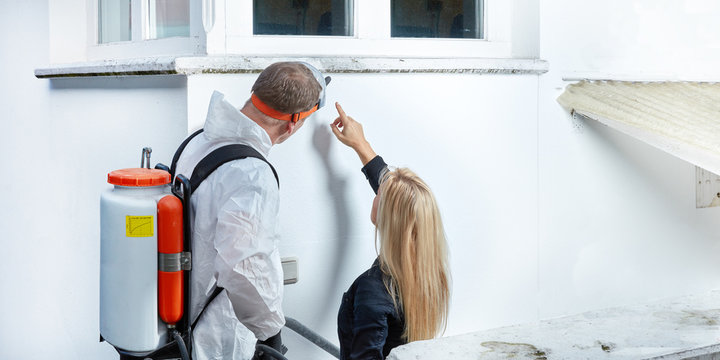
Penetrating damp is a common and often underestimated problem in many homes and commercial buildings. When water infiltrates from the outside, it can slowly compromise the internal structure and comfort of your property. Detecting the warning signs early is crucial to preventing severe damage, health hazards, and unnecessary expenses. If you notice issues such as moisture, discoloration, or musty odors, it’s wise to contact damp and mould specialists who can expertly assess and remedy the situation before it worsens.
This type of dampness differs from condensation and rising damp and commonly arises due to defects in external walls, roofs, or windows. When left unresolved, penetrating damp reduces the insulation properties of your walls, accelerates structural decay, and poses risks to your belongings and well-being.
Addressing these warning signs at the first opportunity prevents more extensive damage, such as plaster crumbling or timber rot, which can undermine your property’s value and safety. A thorough understanding and quick action are your best defense against this persistent issue.
While some homeowners attempt DIY solutions, a professional investigation is usually necessary to trace the moisture source and provide long-lasting repairs. By knowing the visual and sensory signals of penetrating damp, you become better equipped to protect your home’s condition and your family’s health.

Damp Patches on Walls and Ceilings
The first and most visible sign of penetrating damp is the formation of damp patches on internal walls or ceilings, especially after periods of rainfall. These patches frequently appear in localized areas and can spread horizontally, indicating that water is seeping through external masonry or around defective windows and doorways. Over time, these marks may darken and become more extensive, suggesting that the source of moisture remains active. According to a report on property maintenance, untreated damp patches can quickly lead to costly repairs and make rooms uninhabitable.
Peeling or Blistering Paint and Wallpaper
Ongoing exposure to moisture breaks the adhesion between wall surfaces and decorative finishes. As a result, paint starts to peel or blister, and wallpaper may bubble or loosen along edges and seams. This not only detracts from the visual appeal of your rooms but also exposes the underlying wall to further water ingress and decay. Checking for these surface changes, especially on external-facing walls, helps identify the problem before it leads to more serious deterioration.
Presence of Mould and Mildew
Persistently damp environments support the growth of mould and mildew. Black, green, or grey mould spots, particularly in corners, behind furniture, and near skirting boards, are warning signs of ongoing moisture problems. Besides being unsightly, these types of biological growth can have negative health impacts, especially for children, the elderly, and those with respiratory disorders. The NHS advises that exposure to mould should be taken seriously and remediated as soon as possible.
Musty Odours
Moisture-laden structures release a persistent, musty smell, especially in poorly ventilated rooms. This odour results from the activity of mould, mildew, and bacteria thriving in damp settings, and it often lingers even if visual signs are scarce. If your home consistently smells damp, it’s an indication of underlying moisture issues that may require investigation by experts.
Efflorescence
Efflorescence presents as a white, powdery coating left on internal or external walls when water carrying soluble salts evaporates. While it’s mainly a cosmetic concern, efflorescence indicates that water is migrating through your wall materials and evaporating on the surface, suggesting ongoing internal dampness. Repeated occurrences highlight unresolved ingress and may indicate the need for substantial repairs to your walls’ weatherproofing.
Deterioration of Plaster and Timber
Extended exposure to dampness weakens building materials. Plaster affected by penetrating damp often becomes soft, crumbly, or discoloured. Timber skirting boards, window frames, and door casings may begin to degrade, becoming spongy or even rotted in severe cases. Left unchecked, this can undermine the structure and safety of your home, necessitating expensive restoration.
Cold and Uninhabitable Rooms
Damp walls lose their natural insulating qualities, making affected rooms feel perpetually cold, even when the heating is on. This not only impacts comfort but can increase energy bills as more heat is required to maintain a consistent temperature. Habitability is reduced, and you may notice that these rooms are seldom used because of their chill and damp smell.
External Signs: Moss and Algae Growth
The presence of moss, algae, or lichen on outside walls is a warning that the wall remains damp for long periods. While this growth is visible on surfaces, it is often a sign of deeper, ongoing moisture problems that can soon penetrate to the building’s interior. Consistent external dampness can be linked to blocked gutters, defective pointing, or leaking pipes, which can contribute to internal penetrating damp if left unchecked.
Final Thoughts
Penetrating damp can compromise both the comfort and structural resilience of your property. Early detection and intervention, with the support of professional damp and mould specialists, can help you address the root cause before minor annoyances become major issues. Regular inspections and timely repairs to your roofline, gutters, and external walls are crucial steps to maintain a healthy, dry, and warm home or business.