
When I started working on improving a Shopify store, my main focus was getting more traffic. I spent time on SEO, ads, and social media. Traffic increased, but sales didn’t grow as expected.
That’s when I started exploring a Shopify email marketing app, just to test if it could make any difference. I didn’t expect much in the beginning, but after a few weeks, I noticed something interesting—customers started coming back.
In this article, I’ll share what I tested, what worked, and how email marketing can actually help grow a Shopify store.
Why Email Marketing Made Sense to Me
After analyzing store data, I noticed:
- Many users visited but didn’t purchase
- Some customers bought once and never returned
- Paid ads were getting expensive
Email marketing solved all three problems.
Using a Shopify email automation tool, I was able to stay connected with users without spending money again and again on ads.
What is a Shopify Email Marketing App (Simple Explanation)
A Shopify email marketing app is a tool that helps you automatically send emails to your customers based on their actions.
For example:
- If someone signs up → they get a welcome email
- If someone adds to cart → they get a reminder
- If someone buys → they get follow-up emails
Everything runs automatically once you set it up.
The First Thing I Set Up (And It Worked Fast)
Abandoned Cart Emails
This is the first feature I tested.
People were already adding products to cart but leaving without buying. I set up a simple 3-email sequence:
- Reminder after 1 hour
- Follow-up after 24 hours
- Discount email after 48 hours
This alone helped recover a good number of lost orders.
That’s when I realized how powerful Shopify abandoned cart email automation can be.
Other Email Campaigns That Helped Me
1. Welcome Emails
I created a simple welcome email with:
- Brand introduction
- Small discount
It helped convert new visitors into customers.
2. Repeat Purchase Emails
After a customer bought something, I sent:
- Product suggestions
- Related items
This increased repeat sales.
3. Re-Engagement Emails
For inactive users, I sent:
- “We miss you” emails
- Special offers
Some users actually came back and purchased again.
Features That Actually Matter (From My Experience)
While testing different tools, I realized these features are important:
- Easy automation setup
- Clean email templates
- Customer segmentation
- Performance tracking (open rate, clicks)
- Mobile-friendly emails
Without these, email marketing becomes difficult to manage.
What Didn’t Work for Me
Not everything worked perfectly in the beginning. Some mistakes I made:
- Sending emails without planning
- Writing boring subject lines
- Sending same email to everyone
- Not testing different versions
Once I improved these areas, results became much better.
Simple Strategy That Gave Me Results
If I had to summarize what worked:
- Start with basic automation
- Focus on cart recovery
- Keep emails simple and clear
- Personalize where possible
- Track results and improve
You don’t need complicated strategies to get started.
My Final Opinion
After testing everything, I can say that a Shopify email marketing app is not just an extra tool—it’s a must-have.
It helps you:
- Recover lost sales
- Increase repeat customers
- Reduce dependency on ads
And the best part is, once automation is set, it keeps working in the background.
Conclusion
If you’re running a Shopify store and only focusing on traffic, you’re missing a big opportunity.
Start using a Shopify em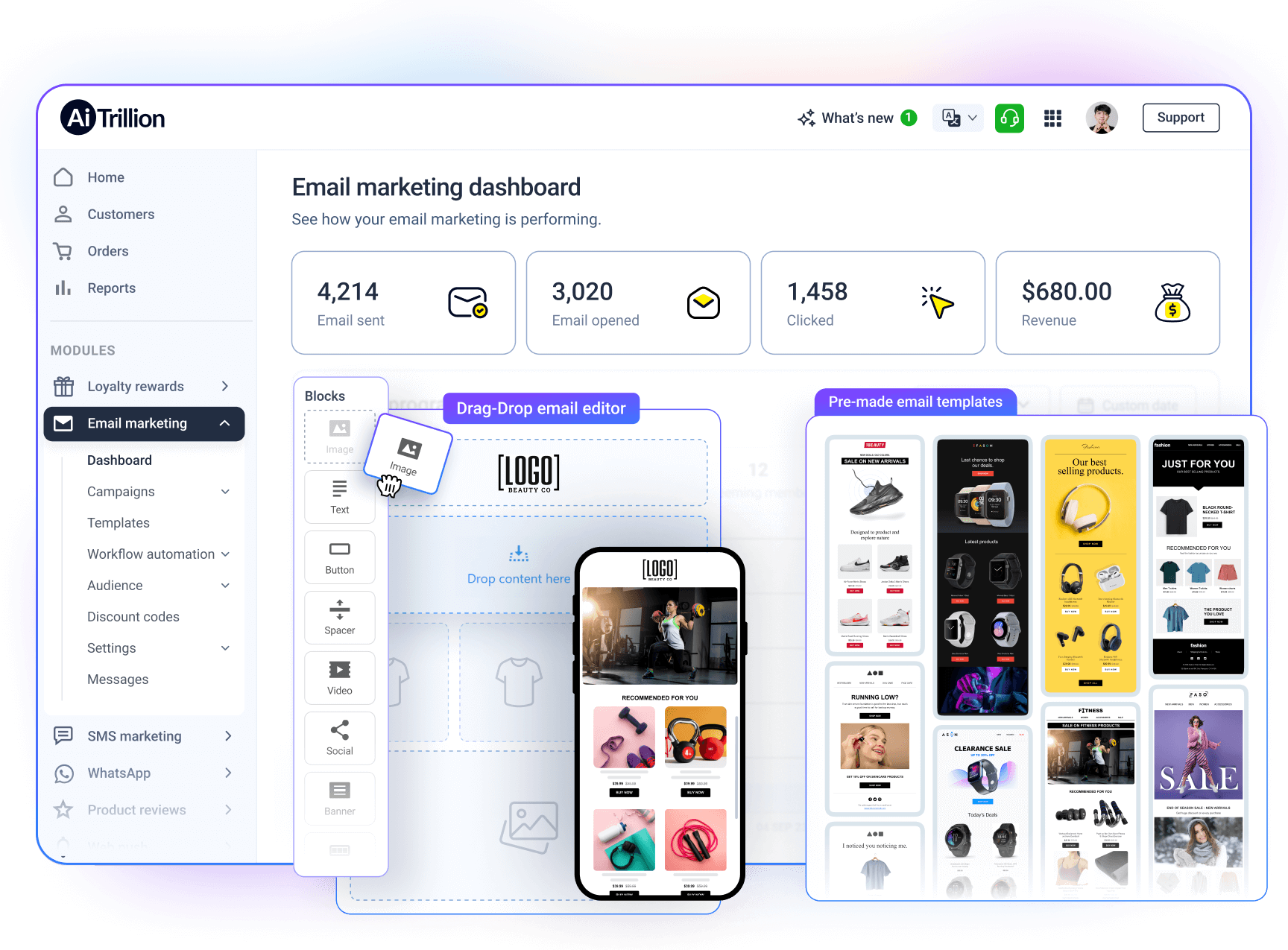 ail automation tool, even with basic setup. Over time, you’ll see better engagement, more conversions, and steady growth.
From my experience, email marketing is one of the simplest ways to improve store performance without increasing your marketing budget.
 Leo Jackson
  bestintownrepair