
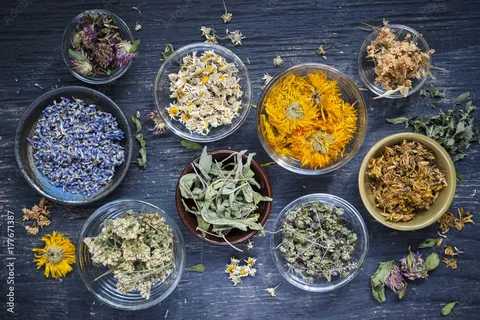
n a world where modern lifestyles are becoming increasingly fast-paced, many people are searching for simple ways to reconnect with nature. Busy work schedules, urban living, processed foods, and constant digital distractions have encouraged consumers to think more carefully about their everyday wellness choices. As part of this shift, traditional herbs and botanical ingredients are receiving renewed attention.
Chitral Herbs represents an opportunity to explore the rich botanical heritage associated with Chitral, a mountainous region of northern Pakistan known for its distinctive landscapes, cultural traditions, and connection with natural resources. For generations, local communities have developed knowledge surrounding plants and herbs found in their environment, creating a heritage that continues to attract interest today.
Modern consumers, however, are looking for more than traditional stories. They want to know where herbs come from, how they are processed, whether products are tested, and how traditional uses relate to modern scientific evidence. This makes transparency, responsible sourcing, and accurate information increasingly important in the herbal wellness industry.
The growing interest in Chitral Herbs can therefore be understood as part of a broader movement toward natural living. It combines appreciation for traditional botanical knowledge with modern expectations around product quality, convenience, sustainability, and informed decision-making.
What Makes Chitral’s Herbal Heritage Special?
Chitral’s geographical environment contributes significantly to its botanical identity. Surrounded by mountainous terrain and diverse ecological conditions, the region has a long-standing relationship between local communities and naturally occurring plants.
Traditional knowledge about herbs is often developed through generations of observation. Communities may learn how plants are collected, dried, stored, prepared, and incorporated into traditional routines. This knowledge can become an important part of local culture and identity.
The value of this heritage goes beyond the potential use of an individual plant. It represents a relationship between people and their environment, reflecting how communities have historically made use of the natural resources available around them.
For modern consumers, regional herbal products provide a way to discover this heritage while exploring natural ingredients. Chitral Herbs can help connect the idea of traditional botanical knowledge with the growing demand for natural wellness products.
However, commercial interest should also encourage responsible sourcing. Protecting the plants and ecosystems associated with regional herbal traditions is essential if this heritage is to remain valuable for future generations.
Why Are People Rediscovering Herbal Wellness?
The growing interest in herbal wellness is part of a wider movement toward mindful and conscious living. Consumers are increasingly reading labels, researching ingredients, and questioning the origins of products they purchase.
Many people are interested in botanical ingredients because they connect with the idea of simplicity and nature. Herbal teas, plant-based foods, traditional ingredients, botanical oils, and herbal supplements are now common parts of the broader wellness conversation.
However, natural wellness should not be confused with the idea that every natural substance is automatically effective or safe.
A responsible approach involves learning about individual ingredients, understanding their traditional context, reviewing available research, and considering personal circumstances before using a botanical product.
This balance allows consumers to appreciate traditional knowledge without accepting exaggerated claims.
Understanding Chitral Herbs
Chitral Herbs can represent a range of herbal and botanical products associated with the natural and cultural heritage of the Chitral region. Individual products can differ significantly in their ingredients, preparation methods, concentration, and intended use.
Some botanical products may contain dried herbs or powders, while others may use extracts, oils, teas, or blended formulations.
Because these products can vary, consumers should evaluate the specific product rather than making assumptions based solely on the word “herbal.”
Important information to review includes:
- Complete ingredient list
- Botanical names where relevant
- Recommended serving or usage
- Source and origin information
- Manufacturing details
- Batch or lot information
- Expiration date
- Storage instructions
- Available laboratory testing
Clear information gives consumers a stronger basis for making purchasing decisions.
The Connection Between Nature and Everyday Wellness
The appeal of traditional herbs often extends beyond their potential uses. For many consumers, natural products represent a broader lifestyle philosophy.
Spending time outdoors, choosing minimally processed foods, learning about traditional ingredients, and creating simple daily routines can all contribute to a stronger connection with nature.
Chitral Herbs fits naturally within this concept because the brand name itself evokes a region known for mountains, plants, and traditional knowledge.
However, sustainable wellness should not depend on one ingredient or supplement.
A balanced lifestyle can include:
- Nutritious and varied meals
- Adequate hydration
- Consistent and sufficient sleep
- Regular physical activity
- Effective stress management
- Time outdoors
- Meaningful social connections
- Appropriate professional healthcare
Herbal products may complement these habits, but they should not replace the fundamentals of healthy living.
Traditional Knowledge and Modern Science
One of the most important considerations when discussing herbal products is understanding the difference between traditional use and scientific evidence.
Traditional knowledge is valuable because it records how communities have interacted with plants over long periods. It can provide information about cultural practices, preparation methods, and historical uses.
Scientific research approaches herbs differently. Researchers may investigate their chemical composition, biological activity, safety, or potential effects through laboratory studies, observational research, and controlled human trials.
These forms of evidence should not be treated as interchangeable.
For example, an herb may have a long history of traditional use for a particular purpose without having sufficient clinical evidence to confirm a specific medical benefit. Likewise, laboratory research may identify an interesting compound without demonstrating that consuming the whole plant produces the same result in humans.
This distinction is especially important for online content because responsible information should not turn traditional claims into guaranteed health outcomes.
Why Quality Matters When Choosing Herbal Products
The quality of an herbal product depends on much more than the plant itself. Factors such as cultivation, harvesting, storage, processing, packaging, and manufacturing controls can influence the finished product.
Natural ingredients may vary depending on environmental conditions, soil, season, harvesting methods, and storage.
Quality-control procedures can help manufacturers identify issues such as contamination, incorrect plant material, or inconsistent formulation.
Consumers should therefore look for transparent information rather than relying entirely on promotional language.
Quality indicators may include:
- Clearly identified ingredients
- Accurate product labeling
- Manufacturer contact information
- Sourcing details
- Appropriate laboratory testing
- Contaminant screening
- Batch or lot identification
- Expiration information
- Proper storage guidance
These factors can make it easier to evaluate whether a product is being presented responsibly.
The Importance of Responsible Sourcing
The popularity of traditional herbs creates an important environmental responsibility.
Some botanical ingredients are collected directly from natural environments. If harvesting becomes excessive, it can place pressure on plant populations and local ecosystems.
Sustainable sourcing aims to ensure that plants can continue to grow and that natural habitats remain protected.
For Chitral Herbs, responsible sourcing can be especially meaningful because Chitral’s natural landscape is an important part of the heritage associated with the region.
Responsible practices can include controlled harvesting, cultivation, seasonal collection, traceability, and collaboration with local communities.
Consumers can contribute to sustainability by supporting brands that provide meaningful information about how their botanical ingredients are sourced.
From Traditional Plants to Modern Herbal Products
Traditional herbs may historically have been prepared using simple household techniques. Modern manufacturing can introduce additional processes designed to improve convenience, consistency, and shelf stability.
Depending on the product, these processes can include controlled drying, grinding, extraction, blending, formulation, packaging, and laboratory testing.
Modern processing does not necessarily have to eliminate traditional identity. In fact, the strongest regional herbal products can combine cultural heritage with contemporary quality standards.
This creates a bridge between the traditional knowledge of local communities and the expectations of modern consumers.
Chitral Herbs can be positioned within this space by highlighting the importance of botanical heritage while maintaining transparency about modern product preparation.
Illustrative Case Study: Rediscovering Herbal Wellness
Consider a hypothetical consumer named Ahmed who wants to make his lifestyle more connected to natural products.
Instead of purchasing an herbal product immediately because of an attractive advertisement, Ahmed begins researching Chitral Herbs and the broader history of regional botanicals.
He examines the product label, identifies the ingredients, checks the recommended usage, and looks for information about sourcing and quality testing.
At the same time, Ahmed improves other parts of his lifestyle. He begins following a more consistent sleep schedule, adds more whole foods to his meals, drinks more water, and takes regular walks.
After several weeks, he evaluates whether the herbal product fits comfortably into his routine. He considers practical factors such as convenience, taste, consistency, and overall experience.
Importantly, Ahmed does not assume that every change in how he feels is caused by the herbal product because he has changed several lifestyle habits at the same time.
This hypothetical example illustrates a more responsible approach to herbal wellness. Instead of searching for an instant solution, consumers can combine informed product choices with sustainable lifestyle improvements.
How to Choose Chitral Herbs Products
If you are considering a product from Chitral Herbs, take time to understand the specific formulation and its intended use.
Before purchasing, consider the following:
- Read the complete product label.
- Identify all active and inactive ingredients.
- Review recommended serving instructions.
- Check sourcing information where available.
- Look for appropriate quality testing.
- Review expiration and storage details.
- Avoid products promising guaranteed medical results.
- Consider whether the ingredients are appropriate for you.
A trustworthy product presentation should provide enough information for consumers to make an informed decision.
Natural Does Not Always Mean Risk-Free
The word “natural” can create an impression of complete safety, but this is not always accurate.
Plants contain biologically active compounds, and some may interact with medications or may not be suitable for certain individuals.
People who take prescription medications should consult a qualified healthcare professional before using herbal supplements. The same applies to individuals managing medical conditions.
Pregnant or breastfeeding individuals should seek professional advice before introducing herbal supplements into their routine.
Anyone experiencing persistent or unexplained symptoms should seek appropriate medical evaluation rather than relying solely on herbal products.
Creating a Sustainable Natural Wellness Routine
Natural wellness becomes more meaningful when it is based on habits that can be maintained over time.
Instead of looking for a single product to transform well-being, consumers can focus on creating a routine that supports multiple aspects of everyday health.
A practical routine may involve:
- Eating nutrient-rich foods
- Maintaining consistent sleep
- Staying properly hydrated
- Moving regularly
- Spending time in natural environments
- Managing stress
- Limiting unnecessary processed foods
- Maintaining appropriate healthcare habits
Herbal products can be considered one optional component of this lifestyle.
Consistency is often more valuable than complexity. A simple routine that can be followed regularly is more sustainable than an elaborate plan that quickly becomes difficult to maintain.
Frequently Asked Questions
What are Chitral Herbs?
Chitral Herbs refers to herbal and botanical products associated with the natural resources and traditional herbal heritage of Chitral. Individual products may differ in ingredients, preparation, and intended use.
Why are Chitral Herbs attracting attention?
Interest in Chitral Herbs is connected to growing consumer curiosity about traditional botanicals, regional herbal heritage, natural products, and more mindful wellness routines.
Are Chitral Herbs scientifically proven?
Scientific evidence depends on the specific herb and the health claim being considered. Traditional use provides historical context but does not automatically establish clinical effectiveness.
Are herbal products safe for everyone?
No. Safety depends on the specific ingredients, formulation, dosage, and individual circumstances. People taking medication or managing health conditions should seek professional advice.
What should I check before buying an herbal product?
Review the full ingredient list, recommended use, manufacturer information, sourcing details, quality testing, expiration date, and storage instructions.
Why is responsible sourcing important?
Responsible sourcing helps protect natural plant populations, biodiversity, ecosystems, and the long-term availability of traditional botanical resources.
Can Chitral Herbs replace medical treatment?
No. Herbal products should not be considered automatic replacements for prescribed medication or professional medical care.
Can herbal products be part of a daily wellness routine?
Depending on the product and individual circumstances, an herbal product may be incorporated into a broader wellness routine. Follow the manufacturer’s instructions and seek professional advice when appropriate.
How can I start exploring herbal wellness?
Begin by researching individual ingredients, understanding their traditional background, checking product quality information, and incorporating any suitable product alongside healthy lifestyle habits.
Conclusion
Rediscovering nature’s herbal treasures can be an opportunity to learn more about traditional knowledge, regional biodiversity, and the relationship between people and their natural environment. Chitral Herbs provides a connection to the botanical heritage associated with Chitral while fitting into the growing modern interest in natural wellness.
The true value of herbal wellness does not come from exaggerated promises. It comes from understanding ingredients, respecting traditional knowledge, evaluating available evidence, choosing transparent products, and using botanical products responsibly.
Chitral’s mountainous environment and cultural heritage make the region an interesting part of Pakistan’s broader botanical story. Preserving this heritage requires responsible sourcing, environmental awareness, and respect for the communities that have historically interacted with these natural resources.
For consumers, the best approach is to remain curious and informed. Research the specific ingredients, review product labels, understand traditional uses, consider available evidence, and pay attention to quality and sourcing.
Most importantly, herbal products should complement rather than replace the foundations of healthy living. Balanced nutrition, adequate sleep, hydration, regular physical activity, stress management, and appropriate professional healthcare remain central to long-term well-being.
By combining traditional botanical wisdom with modern quality awareness, consumers can explore Chitral Herbs in a thoughtful and responsible way while developing a deeper appreciation for nature’s remarkable herbal heritage.
 Spencer Carrado Colorado
  namratam813@gmail.com
  managementconsulting815@gmail.com