
There comes a distinct moment in the lifespan of a family home when the dynamics drastically change. The children pack up and move out, and suddenly, the house falls quiet. The layout that was originally built to manage the chaotic demands of a large, growing family—feeding teenagers in a rush, storing bulk groceries, and surviving heavy daily wear and tear—is no longer necessary. This transition phase presents an incredible opportunity. It is the perfect moment to stop prioritizing sheer volume and endurance, and start focusing entirely on luxury, comfort, and the specific needs of two adults who finally have the space to themselves.
The first major shift in an empty nester redesign involves scaling down the heavy machinery. For twenty years, you likely relied on a massive, cavernous refrigerator to hold gallons of milk and endless snacks. Now, that huge appliance is mostly empty, consuming unnecessary electricity and taking up valuable floor space. Replacing it with a smaller, highly sophisticated counter-depth model reclaims physical space and improves the overall aesthetic of the room. The focus shifts from storing bulk quantities to preserving high-quality ingredients perfectly. The same logic applies to cooking surfaces; a massive six-burner range is often replaced by a highly efficient, sleek induction cooktop that is vastly easier to clean.
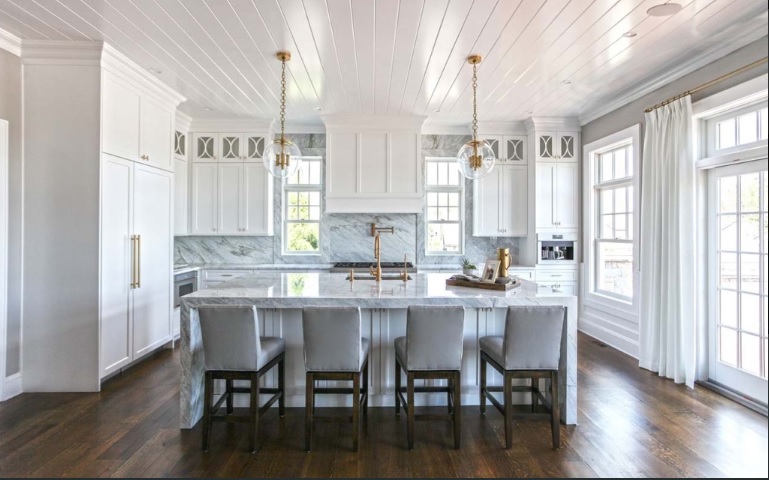
With the heavy traffic of children gone, the choice of materials can finally become more refined. Soft, porous natural stones like marble, which were previously avoided due to the constant threat of spilled juice and dropped plates, are now entirely viable. The daily abuse the room takes drops significantly, allowing you to invest in delicate, high-end finishes that prioritize beauty over battle-readiness. Solid brass fixtures, custom glass display cabinets, and intricate tile backsplashes can be installed without the constant worry of them being damaged by careless handling.
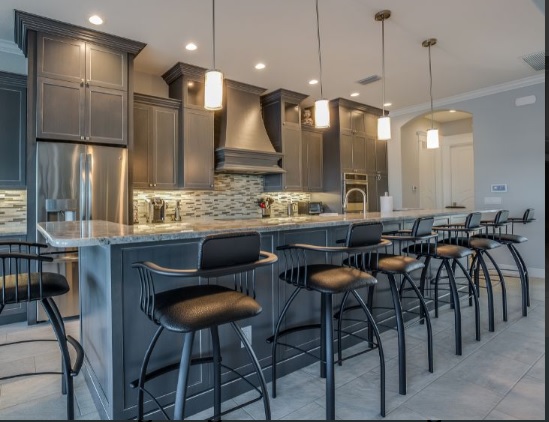
Approaching a kitchen remodel CT project for this new phase of life means rethinking the seating arrangements entirely. The long island designed to seat five children doing homework is suddenly excessive. Many empty nesters choose to shorten the island, opting instead for a more intimate, comfortable seating arrangement at one end. Lowering a portion of the counter to standard table height creates a perfect spot for two people to sit in proper dining chairs, enjoying a quiet breakfast or a glass of wine together. This setup encourages connection and conversation, completely changing the social dynamic of the room.
Storage strategies also change dramatically when designing for two. The goal is no longer to cram as much dry food as possible into a massive pantry. Instead, the focus turns to ergonomic comfort and making the daily routine physically easier. Moving all heavy plates, pots, and pans into deep, waist-height drawers eliminates the need to bend down or reach up high. Small appliances that used to clutter the counters can be housed in dedicated appliance garages, keeping the visual space impeccably clean. Everything is designed to be immediately accessible without requiring any physical strain.
This phase of life also allows for the introduction of highly specific luxury additions that were previously deemed impractical. With the extra space gained from downsizing the primary appliances, homeowners frequently install under-counter wine refrigerators, dedicated espresso stations, or custom baking zones. The room stops being a high-volume cafeteria and transforms into a personalized culinary retreat. It becomes a space designed strictly for the pleasure of cooking and the enjoyment of fine things, tailored precisely to the hobbies and tastes of the adults living there.
Reclaiming your home after the children leave is a deeply rewarding process. It is a chance to shed the purely practical requirements of raising a family and embrace a more refined, comfortable way of living. By scaling down appliances, upgrading to luxury materials, and focusing entirely on ergonomic ease, you create a space that perfectly supports this new, quieter, and highly enjoyable chapter of your life.
Conclusion
Transitioning a home for empty nesters involves shifting the design focus from high-volume durability to refined luxury and ergonomic comfort. By scaling down oversized appliances, introducing premium materials, and creating intimate seating areas, homeowners can transform a busy family hub into a peaceful, sophisticated adult retreat.
Call to Action
Begin planning a beautifully refined space that perfectly complements your new lifestyle and prioritizes your daily comfort.
Visit: https://kitchentraditions.net/
 amaracollective
  Amaya Verma
  cristinareindia