
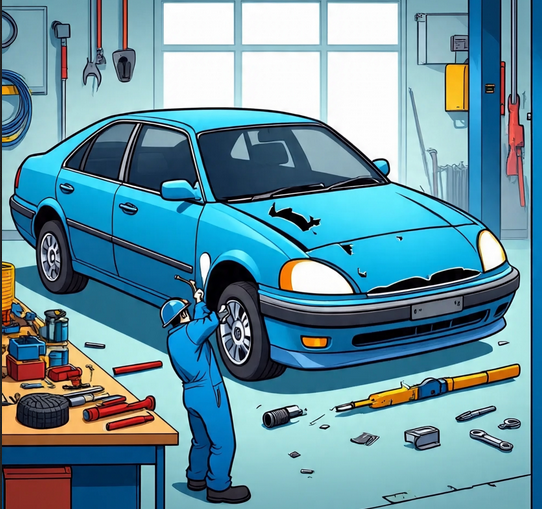
Tesla vehicles are known for innovation, performance, and futuristic design, but when it comes to exterior paint quality, opinions remain divided. In recent years, owners and repair professionals alike have shared mixed experiences, especially when compared with traditional manufacturers. This real world review takes a practical look at Tesla body paint quality and warranty coverage as of 2026, drawing from owner feedback, industry observations, and repair outcomes often seen at an Auto Paint Shop Riverside environment where real damage, not showroom shine, tells the truth.
First Impressions: Tesla Paint Looks Great – At First
At a glance, Tesla’s paint finish can look impressive. The gloss is deep, the colors are bold, and under perfect lighting, the surface appears smooth and uniform. For many new owners, the first few weeks are satisfying. The car turns heads. Reflections are sharp. Everything feels premium.
However, real world driving reveals a different story over time. Thin clear coats, soft paint layers, and minimal protective depth are common complaints. Rock chips appear sooner than expected, especially on hoods and front bumpers. Light scratches can show up after basic washing. These issues don’t always indicate poor manufacturing, but they do suggest that Tesla’s paint prioritizes efficiency and weight reduction over long term durability.
Paint Thickness and Durability: A Closer Look
Paint thickness is one of the most discussed concerns among Tesla owners. Compared to many traditional automakers, Tesla paint layers are generally thinner. This becomes noticeable during repairs, polishing, or paint correction work, where there is less margin for error.
Thin paint doesn’t automatically mean bad paint. It does, however, mean less resistance to environmental stress. Sun exposure, road debris, and frequent washing can accelerate visible wear. In warmer climates, fading and clear coat sensitivity are more noticeable, especially on darker colors.
For drivers who log high mileage or commute daily, this thinner application becomes a practical issue rather than a cosmetic one.
Common Paint Issues Reported by Owners
Across owner forums and service discussions, several paint related issues consistently surface:
-
Early rock chipping on front end panels
-
Clear coat scratches from routine washing
-
Paint swirl marks that appear easily
-
Inconsistent paint coverage on edges and corners
These issues don’t affect every vehicle equally, but they appear often enough to form a pattern. The good news is that many of these problems are cosmetic rather than structural. Still, cosmetic flaws matter on a premium priced vehicle.
Tesla Paint Warranty: What’s Actually Covered?
Tesla’s paint warranty is often misunderstood. While corrosion and manufacturing defects are typically covered, normal wear and tear is not. This distinction is where many owners feel disappointed.
Paint defects caused by improper application at the factory may qualify for warranty repair, but chips from road debris, environmental damage, and surface scratches usually do not. Tesla generally categorizes these as external influences rather than manufacturing faults.
In practice, warranty claims related to paint can be inconsistent. Some owners report smooth approvals, while others face denials for similar issues. Documentation, timing, and service center discretion all play a role.
Repair Challenges Unique to Tesla Paint
Repairing Tesla paint presents its own challenges. Color matching can be difficult due to unique formulations and metallic finishes. Panels often require blending to avoid visible transitions, especially with pearl or multi coat colors.
Additionally, aluminum body panels, common on Tesla vehicles, require specialized preparation. Improper repair methods can lead to adhesion issues or texture mismatches. This is why experience matters more than ever when dealing with post accident paint repair.
How Tesla Paint Holds Up Over Time
Long term durability depends heavily on driving conditions and maintenance habits. Vehicles driven primarily on highways tend to show more front end damage. Urban driving introduces door dings, surface scratches, and curb related scuffs.
Owners who invest in protective film or ceramic coatings early often report better long term results. Those who skip protection may notice cosmetic aging sooner than expected. By year three or four, unprotected paint can look noticeably worn, even if the vehicle is mechanically sound.
Is Tesla Paint Improving in 2026?
There is evidence that Tesla has made gradual improvements. Newer models show slightly better consistency in application, and quality control appears tighter than in earlier production years. That said, the core characteristics remain the same: thin layers, environmentally friendly processes, and limited tolerance for aggressive correction.
Improvements exist, but expectations should remain realistic.
What Owners Should Know Before a Paint Repair
Before approving any paint repair, Tesla owners should understand a few key points:
-
Exact factory paint replication can be difficult
-
Multiple panels may need blending for visual consistency
-
Paint repairs take time when done correctly
-
Not all cosmetic damage qualifies for warranty
As vehicles age, professional repainting becomes less about perfection and more about balance—restoring appearance without compromising surrounding panels.
Final Thoughts: Real Expectations Matter
Tesla paint quality is not inherently poor, but it is different. It requires a mindset shift. Owners expecting traditional, thick, highly forgiving paint may feel let down. Those who understand the material choices and protect the finish early tend to have a better experience.
When accident damage or cosmetic wear does occur, choosing a knowledgeable Collision Center in Riverside environment with experience handling modern EV materials becomes essential, not optional.
Frequently Asked Questions (FAQ)
Is Tesla paint thinner than other car brands?
Yes, Tesla paint is generally thinner than many traditional manufacturers, which can make it more prone to chips and surface scratches.
Does Tesla warranty cover paint damage?
Only manufacturing defects and corrosion are typically covered. Damage from road debris, scratches, or environmental exposure is usually excluded.
Can Tesla paint be repaired after an accident?
Yes, but proper preparation, color matching, and blending are critical due to unique paint formulations and aluminum panels.
Has Tesla improved paint quality in recent models?
There have been gradual improvements in consistency, but the overall paint structure remains relatively thin compared to some competitors.
Is paint protection recommended for Tesla vehicles?
Many owners choose protective films or ceramic coatings early to reduce long term cosmetic wear.
 Tomas Fol
  Engineered Racing Services
  Molly Crowe