
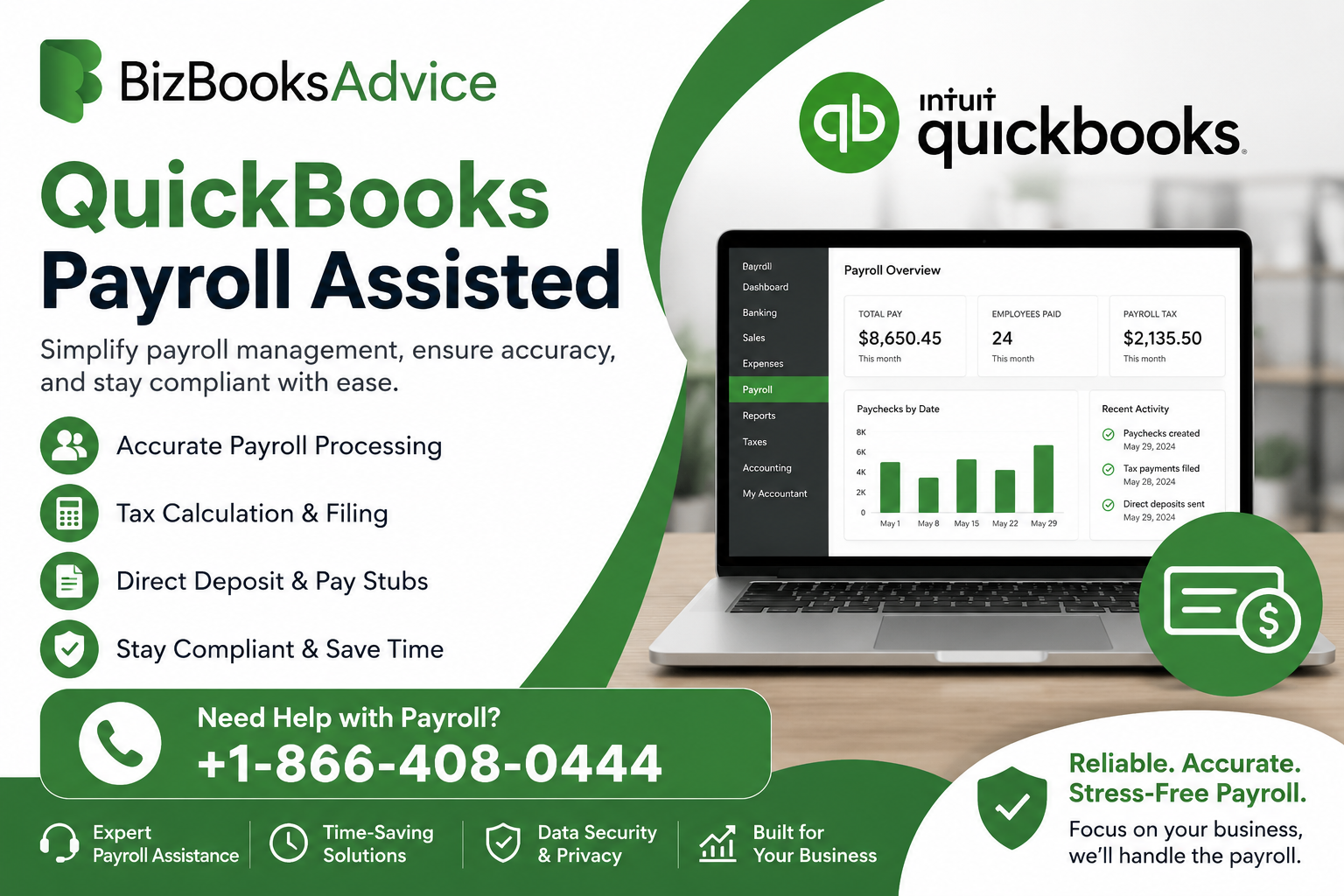
Managing payroll is one of the most important responsibilities for any business. Whether a company has a small team or a growing workforce, payroll accuracy directly affects employee satisfaction and business operations. QuickBooks Payroll Software has become a preferred choice for organizations looking to simplify payroll management while maintaining organized financial records. By automating payroll-related tasks and reducing manual workloads, businesses can improve productivity and focus on achieving long-term growth objectives.
Why Payroll Management Matters
Payroll is much more than processing employee wages. It involves maintaining payroll records, organizing employee information, tracking deductions, and ensuring accurate compensation management. A well-structured payroll process contributes to smooth business operations and helps organizations maintain trust with their workforce.
When payroll responsibilities are handled manually, administrative tasks can become overwhelming. Errors, delays, and recordkeeping issues may create unnecessary challenges. An efficient payroll system helps eliminate many of these concerns while improving operational consistency.
Understanding Payroll Software
Payroll software is designed to streamline payroll administration through automation and centralized record management. Instead of relying on spreadsheets or manual calculations, businesses can use digital tools to process payroll activities more efficiently.
Modern payroll platforms help companies maintain accurate employee records, manage payroll transactions, and generate reports that provide valuable financial insights. Automation reduces repetitive work and allows business owners to spend more time on strategic priorities.
Key Features of Payroll Software
Payroll software includes several features that help businesses simplify daily payroll operations.
Automated Payroll Processing
Automation helps reduce manual payroll calculations and improves efficiency. Businesses can process employee compensation more accurately while minimizing administrative effort.
Employee Information Management
A centralized payroll system stores employee details in one location, making it easier to update records and access information when necessary.
Direct Deposit Convenience
Electronic payment options provide employees with a secure and convenient way to receive compensation while reducing paperwork for employers.
Payroll Reporting Tools
Detailed payroll reports help organizations analyze labor costs, review payroll trends, and make informed financial decisions.
Organized Recordkeeping
Maintaining organized payroll documentation becomes easier when records are stored within a centralized payroll platform.
Benefits for Small and Growing Businesses
Businesses often face increasing payroll responsibilities as they expand. Payroll software helps organizations manage these growing demands more effectively.
Saves Valuable Time
Manual payroll processing can consume significant administrative resources. Payroll automation allows businesses to complete payroll tasks more efficiently.
Improves Accuracy
Automated systems help reduce payroll calculation errors and improve consistency across payroll processes.
Enhances Productivity
Business owners and administrative teams can spend less time managing payroll and more time focusing on customers, operations, and growth strategies.
Supports Scalability
As employee counts increase, payroll requirements become more complex. Payroll software provides flexibility that can adapt to business growth.
Common Payroll Challenges Businesses Face
Organizations frequently encounter payroll-related issues that can affect efficiency and productivity.
Managing Employee Data
Employee information changes regularly due to promotions, compensation adjustments, and personal updates. Maintaining accurate records is essential for payroll accuracy.
Tracking Labor Expenses
Understanding workforce costs is important for budgeting and financial planning. Payroll reports provide visibility into labor-related expenditures.
Maintaining Documentation
Accurate documentation helps businesses organize payroll information and prepare for financial reviews when needed.
Handling Administrative Workloads
Payroll administration can become time-consuming without the assistance of automation and centralized systems.
How Payroll Automation Improves Operations
Technology has transformed payroll management by simplifying tasks that once required substantial manual effort. Payroll automation reduces repetitive activities and allows organizations to process payroll more efficiently.
Cloud-based payroll solutions also provide convenient access to payroll information from multiple locations. This flexibility supports collaboration among business owners, accountants, and payroll administrators.
Organizations that adopt payroll automation often experience improved efficiency, stronger recordkeeping practices, and more consistent payroll operations.
Best Practices for Effective Payroll Management
Businesses can maximize payroll efficiency by implementing practical payroll management strategies.
Keep Employee Records Current
Accurate employee information helps prevent payroll discrepancies and improves administrative efficiency.
Review Payroll Data Regularly
Routine reviews help identify inconsistencies before they become larger operational concerns.
Organize Financial Documentation
Well-maintained payroll records simplify reporting, audits, and future reference needs.
Utilize Reporting Tools
Payroll reports provide valuable insights that support budgeting, workforce planning, and financial decision-making.
Choosing the Right Payroll Solution
Selecting payroll software requires evaluating several important factors.
User-Friendly Design
An intuitive interface helps businesses manage payroll tasks efficiently while reducing training requirements.
Data Security
Payroll records contain sensitive employee information. Strong security measures help safeguard business data.
Flexibility
Organizations should choose solutions capable of adapting to changing workforce needs and business growth.
Reporting Capabilities
Comprehensive reporting tools help business owners gain deeper insights into payroll expenses and financial performance.
Why Payroll Efficiency Contributes to Business Success
Efficient payroll management supports long-term business growth by reducing administrative burdens and improving workflow consistency. When payroll processes run smoothly, businesses can focus more attention on customer relationships, operational improvements, and revenue generation.
Employees also benefit from accurate payroll administration, which contributes to workplace confidence and satisfaction. Consistent payroll practices help create a positive organizational culture while strengthening business operations.
An organized payroll process serves as a foundation for financial stability and sustainable growth.
Read Also – QuickBooks Condense Data Utility
Conclusion
For businesses seeking a reliable payroll management solution, QuickBooks Payroll Software offers valuable tools that simplify payroll processing, improve recordkeeping, and enhance operational efficiency. Investing in a streamlined payroll system can help organizations save time while supporting future growth objectives. For professional accounting and bookkeeping guidance, call +1-866-408-0444. You can also visit BizBooksAdvice to explore expert resources and services designed to help businesses manage payroll and financial operations with confidence.
 guestpostprovide709
  Mack Liam
  kiandoyal