
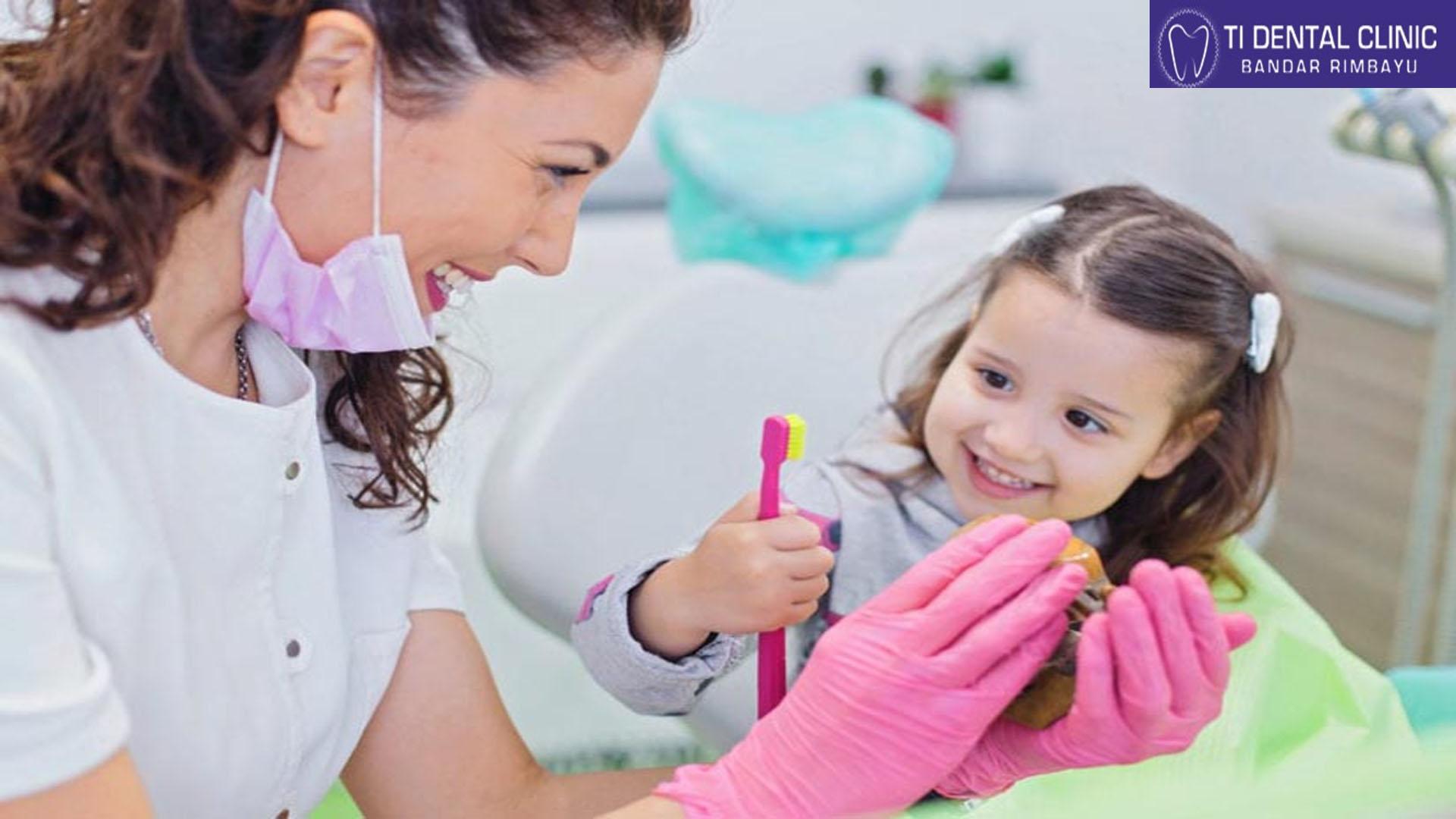
While clinical literature focuses heavily on cephalometric values, root lengths, and angulations, orthodontic treatment heavily intersects with a patient’s behavioral and social development. Malocclusion often compromises facial children braces aesthetics, leaving children vulnerable to schoolyard teasing and low self-esteem. Conversely, the introduction of bulky, highly visible metal braces can create short-term psychological stress. This longitudinal study evaluated both the short-term and long-term psychosocial impacts, alongside biological side effects, experienced by pediatric patients undergoing comprehensive braces therapy.
Methodology
A prospective, multi-center longitudinal study tracked 110 participants starting fixed orthodontic treatment. Psychosocial parameters were evaluated at three distinct checkpoints: Baseline (pre-treatment), Mid-treatment (12 months into active braces for kids), and Post-treatment (immediately following bracket removal). Validated psychometric instruments, including the Psychosocial Impact of Dental Aesthetics Questionnaire (PIDAQ) and the Rosenberg Self-Esteem Scale, were used to track shifts in body image, social confidence, and dental self-consciousness. Concurrently, routine panoramic x-rays were monitored to screen for external apical root resorption (EARR)—the unintended shortening of tooth roots during movement.
Results & Analysis
The psychological metrics mapped a distinct, fluctuating curve over the course of treatment:
-
The Short-Term Phase: Within the first 2 to 4 weeks post-bonding, 74% of participants reported heightened social self-consciousness and a drop in dental self-esteem, directly attributed to the appearance of the braces price selangor and speech adjustments. Minor initial bullying or teasing regarding the braces was reported by 18% of younger adolescents.
-
The Long-Term Transition: By the 12-month mark, as teeth visibly aligned, self-esteem metrics rebounded significantly higher than baseline. Post-treatment evaluations revealed massive improvements in body image, social confidence, and general mental well-being ($P < 0.001$).
-
Biological Side Effects: Mild to moderate external apical root resorption (less than 2 mm of root shortening) was detected in 14.5% of the dental braces price, primarily clustering around the upper central and lateral incisors. Severe resorption (greater than 4 mm) was extremely rare, occurring in less than 1% of cases, and was strongly tied to prolonged treatment times exceeding 28 months.
Discussion
This study highlights the dual nature of orthodontic therapy. While braces act as a highly effective tool for long-term psychological and physical transformation, the initial phase can induce genuine social anxiety and physical discomfort. dental paediatrician, who are navigating a critical phase of identity formation, are particularly sensitive to these changes. The structural shortening of roots (EARR) serves as an important reminder that tooth movement is a form of controlled physical trauma; applying excessive force or extending treatment timelines unnecessarily can lead to permanent damage to the supporting dental anatomy.
The study concluded that fixed orthodontic treatment delivers profound, lasting benefits for the psychological well-being and social confidence of kids dentist. To mitigate initial anxieties and biological risks, clinicians and parents should use proactive counseling, focus on proper oral hygiene to minimize gum inflammation, and use light, continuous forces to safe-guard against root resorption.
 zack john
  Spencer Carrado Colorado
  namratam813@gmail.com