
Premium rescue tools are very important for helping people in emergencies. These tools can make a big difference when lives are at stake. LSJ Technology is proud to offer high-quality rescue tools that can help in many situations. When accidents happen, first responders need the best equipment to do their jobs effectively. Premium rescue tools include thermal imagers, life detectors, and gas detectors. Each of these tools plays a special role in ensuring safety and saving lives. They allow responders to see what they cannot see and find people who may be trapped or in danger. By using these advanced tools, emergency teams can act quickly and accurately. In a world where every second counts, having the right tools can mean the difference between life and death.
What Makes Premium Rescue Tools Essential for Emergency Response
Emergency responders face many challenges when they arrive at a scene. They must work fast, often in dangerous conditions. Premium rescue tools are essential because they provide the technology needed to overcome these challenges. For instance, thermal imagers can detect heat signatures, allowing responders to find trapped individuals in dark or smoky environments. This is helpful when visibility is low, such as during fires or in collapsed buildings. Life detectors work similarly by sensing the faintest signs of life, like a heartbeat or movement. This gas detector h2s o2 co ch4 can be crucial when searching for people buried under rubble. Gas detectors ensure that responders do not enter dangerous areas filled with toxic gases or smoke. They help keep everyone safe by warning of harmful fumes. The combination of these tools makes it easier for emergency teams to assess situations and make informed decisions. The faster they find people in need, the better their chances of saving lives. Having reliable tools also boosts the confidence of responders. When they know they have the best equipment, they can focus on their mission without worrying about their safety. Premium rescue tools, like the ones from LSJ Technology, are designed to endure tough conditions, ensuring they work when needed the most.
How Thermal Imagers Enhance Search and Rescue Operations
Thermal imagers are vital in search and rescue operations. They work by detecting heat emitted from objects and living beings. This means that even in total darkness or thick smoke, responders can spot people and animals. For example, if a building collapses, the rubble can block visibility. A thermal imager can show where heat is coming from, helping teams locate survivors quickly. LSJ Technology’s thermal imagers are lightweight and easy to carry, making them perfect for emergency responders. They can be used in various situations, from forest fires to urban rescues. Another benefit of thermal imagers is their ability to detect body heat even when someone is hiding or unconscious. This feature is crucial in situations where time is limited. Also, thermal imagers can help responders identify hot spots during fires, guiding them on where to focus their efforts. The technology can be used from a distance, keeping responders safe while they search for victims. With thermal imagers, teams can act more efficiently, leading to faster rescues. Their use also helps to save resources, as teams can pinpoint areas that need attention instead of searching blindly. The impact of thermal imagers in rescue operations cannot be overstated. They provide a clear advantage, making LSJ Technology’s tools essential for every emergency response team.
When choosing gas detectors for safety, it’s important to think about a few key factors to make sure everyone stays safe
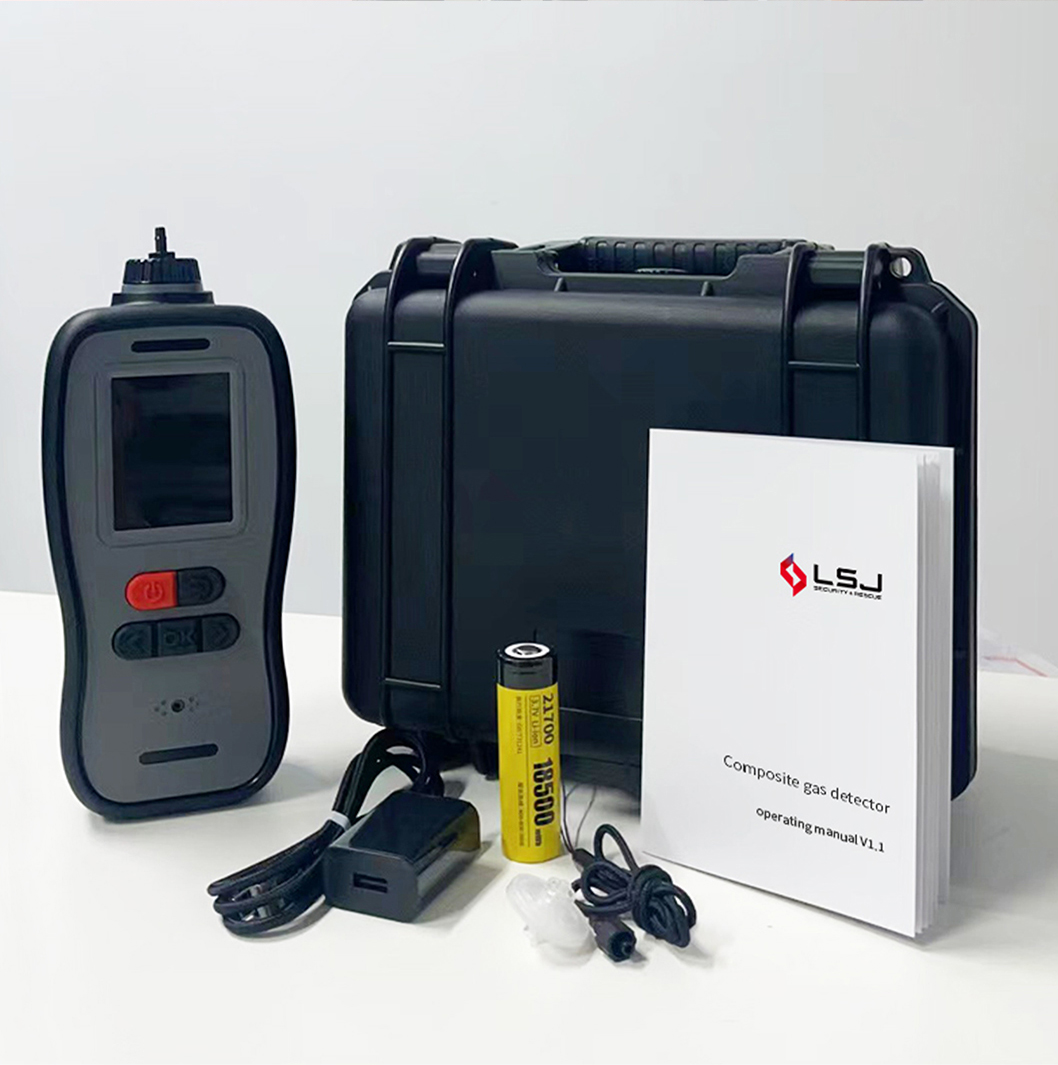
First, you need to know what types of gases you might be dealing with. Different multi gas detector are designed to find different gases, like carbon monoxide, methane, or even toxic gases. LSJ Technology offers a variety of gas detectors that can help you identify dangerous gases quickly. It’s also vital to consider how sensitive the detector is. A good gas detector should be able to sense even small amounts of gas in the air. This sensitivity can be life-saving in emergencies. Next, think about how easy the gas detector is to use. If a rescue worker has to struggle to understand how the device works, it can waste precious time during an emergency. LSJ Technology makes sure its gas detectors are user-friendly, with clear displays and simple controls. Another important point is how portable the gas detector is. In rescue situations, workers often need to move quickly and may not have time to carry heavy equipment. Lightweight and compact designs are best because they can be taken anywhere without slowing down the rescue team. You should also check how long the battery lasts. A detector with a longer battery life means you won’t have to worry about it dying in the middle of an important mission. Finally, think about the price. While you want quality, you also want something that fits your budget. LSJ Technology offers reliable gas detectors at various price points, making it easier to find the right one for your needs. By considering these factors, you can choose the best gas detectors to ensure safety during rescue operations.

Maximizing the efficiency of thermal imaging in rescue missions involves understanding how to use the technology effectively
Thermal imagers, like those from LSJ Technology, help rescuers see heat signatures, which can be very useful in finding people or identifying hazards. First, it’s essential for rescue teams to be trained on how to operate thermal imagers properly. Knowing how to interpret the images they display can make a big difference in how quickly and accurately a team can locate someone in need. Rescuers should practice using the thermal imager in different conditions, like at night or in bad weather, to get familiar with how it works. Another way to maximize efficiency is by combining thermal imaging with other tools. For example, using a thermal imager alongside a drone can cover large areas quickly. This can help rescuers spot heat signatures from above, making it easier to find people who may be trapped or lost. It’s also helpful to understand the limitations of thermal imaging. For instance, thick smoke or fog can affect how well the device works. Knowing when and how to use the thermal imager in various environments is key to getting the best results. Communication is another important factor. Rescue teams should have clear plans on how to share information gathered from the thermal imager. This way, everyone knows what the thermal images show and can work together efficiently. Lastly, regular maintenance and calibration of the thermal imager are crucial. Keeping the device in good working order ensures that it will perform well when it’s needed most. By training properly, using it with other tools, and maintaining it regularly, teams can make the most of thermal imaging technology during rescue missions.
Upgrading your rescue operations with advanced thermal imagers can significantly enhance the safety and effectiveness of rescue teams
LSJ Technology offers cutting-edge thermal imagers that provide clearer images and faster response times. One of the biggest benefits of upgrading is the improved image quality. Newer thermal imagers can capture more detail, allowing rescuers to see even small heat signatures. This multi gas detector 4 gas can be especially helpful in finding people who might be trapped under debris or in hard-to-reach places. Better image quality means better chances of finding someone quickly. Additionally, advanced thermal imagers often come with features like built-in video recording and real-time streaming. This means that while rescuers are on the scene, they can send live footage to command centers. This helps leaders make quicker decisions about how to approach the rescue. Another important upgrade is the ability to work in a variety of conditions. Modern thermal imagers can function in bright sunlight, heavy rain, or even smoke-filled environments. This versatility makes them invaluable in many different rescue scenarios. When upgrading, it’s also worth looking for thermal imagers that have user-friendly interfaces. Rescuers should be able to navigate the controls easily, allowing them to focus on the mission rather than the technology. Furthermore, having a thermal imager that is lightweight and durable is crucial. Rescuers often work in tough conditions, so they need equipment that can withstand the elements. LSJ Technology designs its thermal imagers to be both tough and easy to carry. Finally, consider the support and training that comes with the thermal imager. A company that offers training sessions and customer support can help ensure that rescue teams know how to use their devices effectively. By upgrading to advanced thermal imagers, rescue operations can become safer, faster, and more efficient, ultimately saving more lives.
 Supply Base Solutions
  Caramel Skincare And Sugaring
  Olivia Expo