
Some people buy a ring and a necklace years apart, and the two pieces never quite look like they belong together. The metal tones differ, the stones are different shades, and the mood is off. You therefore, need to understand that a set works best when it starts with one stone and one idea. If you’re browsing lab created diamond engagement rings and wondering what to wear at your collarbone, this guide shows you how to build a set that looks planned rather than accidental.
What “One Stone Story” Actually Means
One gem, several pieces
The idea is simple. You pick a single stone, such as diamond, emerald, ruby, blue sapphire or tanzanite, and let it run through the pieces you wear most. The ring is the anchor, and the necklace, and later a bracelet or a band, echoes with it.
This approach is more effective than purchasing items separately.
A set gives you a signature. People notice the repeated colour and remember it. It also makes shopping easier, because you’re no longer comparing fifty unrelated designs. You’re asking one question: “what else would look good with the ring?”
Step One: Choose the Ring That Anchors the Set
Start here, because the ring is usually the piece with the most meaning and the least flexibility. Everything else can bend around it.
If you love white brilliance
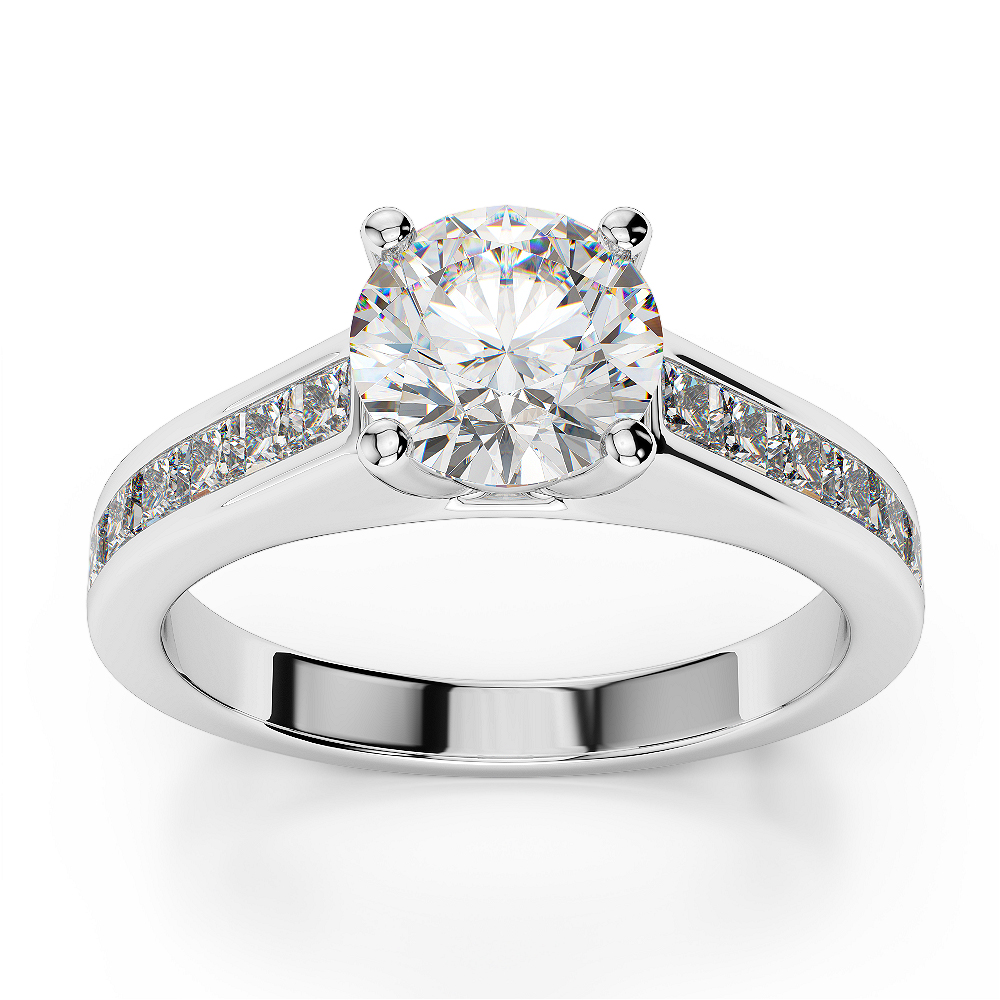
The lab created diamond engagement rings are grown in a controlled setting, and the stones are chemically, physically and optically the same as mined diamonds. That means you get the same fire and hardness without the mining footprint. Diamond to create a balanced pair, where neither one feels different and, also the easiest stone to build around. It pairs with every colour and every metal, so it suits anyone who isn’t sure where their taste will go in ten years.
If you want colour
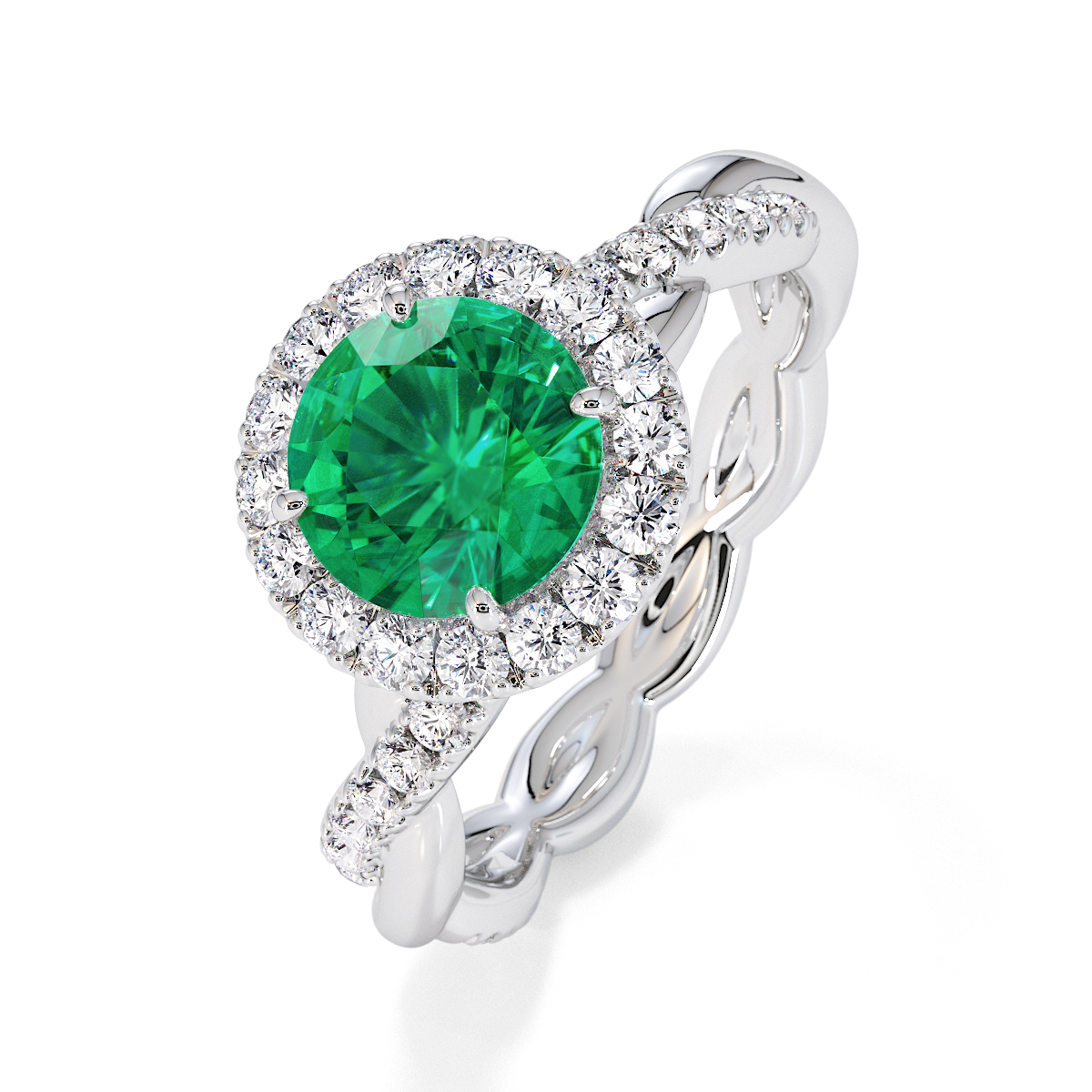
Emerald is the choice for people who want a ring that doesn’t look like everyone else’s. The lab grown emerald engagement ring provides that deep, saturated green, with the clarity and consistency that lab growing allows. Natural emeralds often carry visible inclusions. Lab grown ones tend to be cleaner, which lets the colour show at its best.
Step Two: Match the Necklace to Your Ring
Pairing with diamond
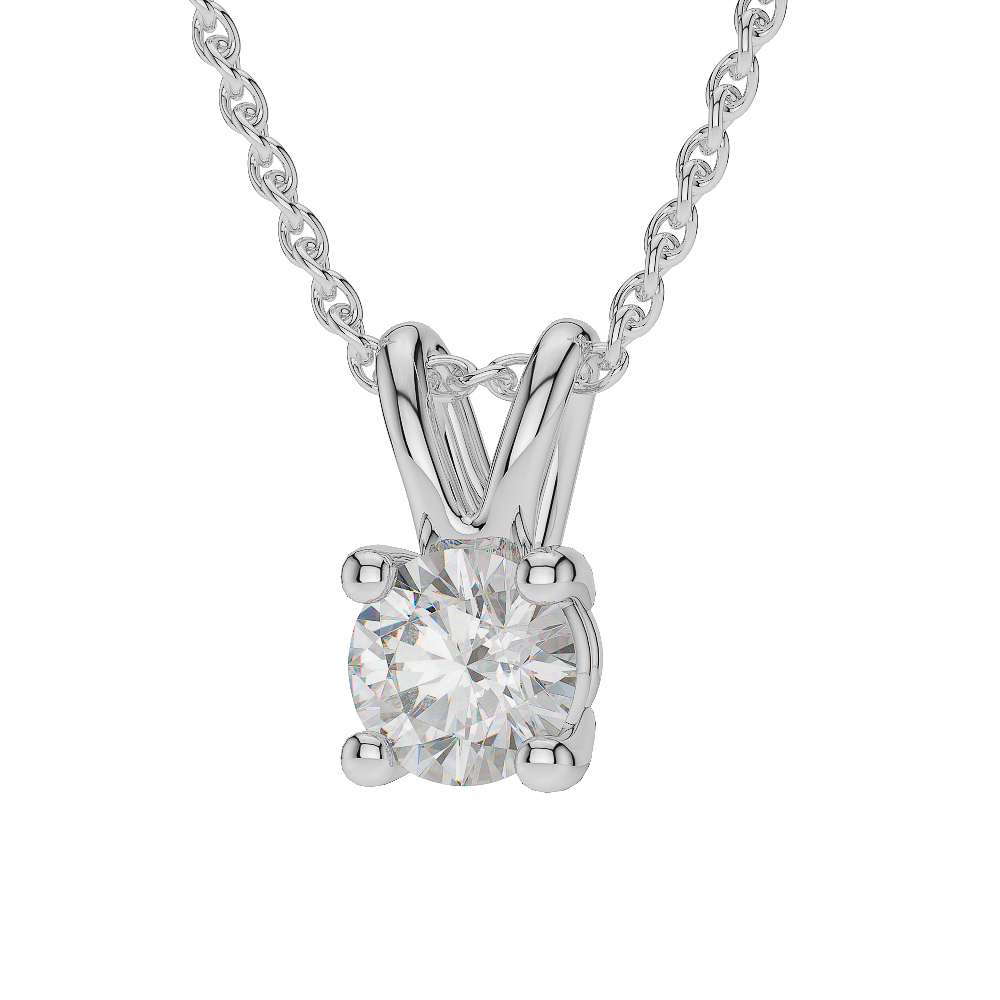
If your ring features a diamond, you have more flexibility in choosing the necklace. A lab grown diamond necklace in a similar cut gives you a direct echo of the ring. That works well when you want the pieces to look like a deliberate pair. A slim lab diamond necklace is also a wonderful everyday choice, because it can be worn easily under a collar and still catches the light when you move.
Pairing with colour
In a number of jewellery stores in the UK, you will see that the necklace range covers lab grown emerald, ruby, blue sapphire and tanzanite, as well as diamond. That gives you a few ways to combine them:
- Same stone: an emerald ring with an emerald necklace for a full, saturated look.
- Neutral partner: a diamond ring with a coloured necklace, so the colour becomes the accent.
- Cool tones together: blue sapphire and tanzanite sit close on the colour wheel and layer well together.
Ruby is the boldest of the group. It suits people who like their jewellery to be seen.
Step Three: Balance Metal, Size and Shape
Keep the metal consistent.
This is the detail that separates a set from a coincidence. If your ring is in rose gold, choose a rose gold chain. If it’s platinum, keep the necklace in a matching white tone. Mixed metals can be effective, but only if they appear intentionally selected. Check the metal options on each product page before you decide.
Think about scale.
A large centre stone on the ring calls for a pendant that is smaller or equal in size, not larger. Otherwise, the two pieces compete. If your ring is delicate, you can go a little bolder on the necklace. The goal is to create a balanced pair, where neither one feels like an afterthought.
Repeat the shape.
If your ring has an oval stone, an oval pendant will feel related to it. The same goes for round, pear or emerald cuts. Repeating the shape is a quiet way to make two pieces read as one collection.
Three Sample Sets to Steal
- The Green Set
Choose a lab grown emerald engagement ring and pair it with a lab grown emerald necklace. This is a strong look for anyone who wants to be recognised by their colour. Keep the metal warm and the chain fine, and let the stones do the talking.
- The Classic Set
Wear a diamond ring with a lab grown diamond necklace for a clean, timeless pairing. It moves from the office to a wedding without changing a thing. If you’re gifting, a lab grown diamond is also the safest way to please someone whose taste you’re still learning.
The Colour Pop
Take a diamond ring and add a ruby, blue sapphire or tanzanite necklace. The ring stays neutral, and the necklace becomes the conversation piece. It’s also a smart way to start a set, because you can add to it later.
Build It Over Time (or Design It Once)
You don’t have to buy everything at once. Many people begin with the ring, then add the necklace for an anniversary or birthday. Later come pieces like a lab grown bracelet, an eternity ring or a bridal set, all within the same stone family.
Frequently Asked Questions
-
Are lab grown stones “real”?
Yes. A lab grown diamond has the same crystal structure and composition as a mined one. Lab grown emeralds, rubies, sapphires and tanzanite follow the same principle. The only difference is where they were formed.
-
Can I wear a lab diamond necklace with an emerald ring?
Absolutely. Diamonds are neutral, so they work with any coloured stones. Keep the metal tone the same across both pieces, and the pairing will look intentional.
-
Should I buy the ring or the necklace first?
Most people start with the ring because it carries the most emotional weight and then choose the necklace to match. If you are purchasing a gift, however, a necklace can serve as a delightful initial piece on its own.
-
How do I know which necklace size suits my ring?
As a rule, match the visual weight. A large ring works best with a pendant of equal or smaller size, while a delicate ring can support a slightly bolder necklace.
Start Your Set
The best jewellery collections aren’t built in a single afternoon. They grow from one positive decision: choosing a stone you love and staying loyal to it. Explore different types of engagement rings and necklaces, pick your stone, and let the rest follow.
 kivomedia7
 waimea_online
 royallegacy24