
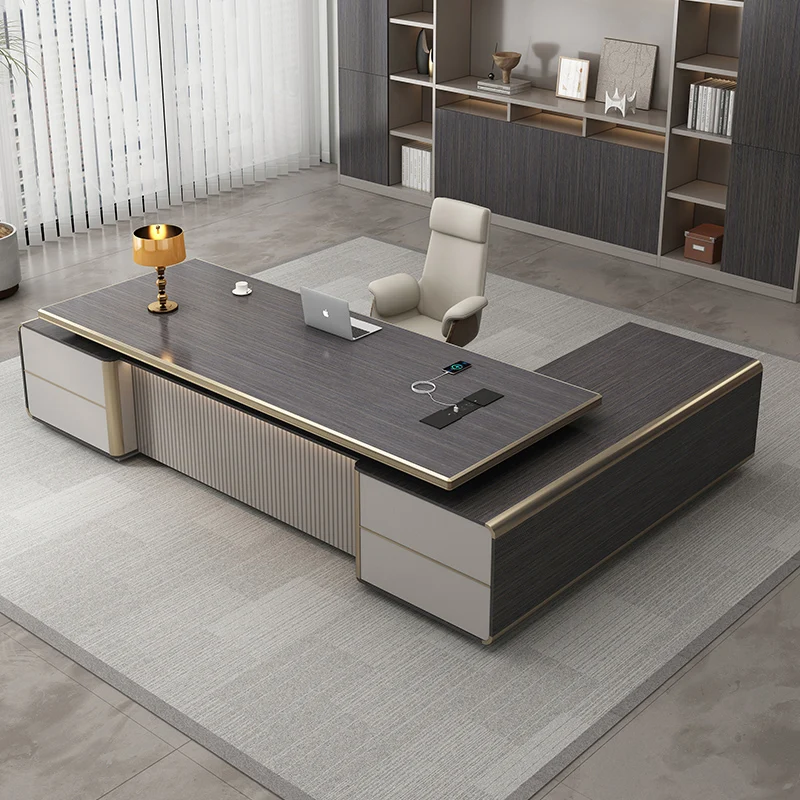
Office table is a core element in any workspace because it directly influences productivity, comfort, and daily working performance. A well-structured table helps users stay organized, maintain proper posture, and complete tasks more efficiently without unnecessary distractions. In both office and home environments, the office table acts as the primary workstation where most professional activities are carried out.
An office table also contributes to the overall discipline of a workspace. A properly arranged table creates a clean and structured environment that supports better focus and time management. It allows easy access to important documents, devices, and tools, which ultimately improves workflow and reduces wasted time during work hours.
Office table Design Variations for Different Work Environments
Office table designs vary depending on workplace needs and interior style. Minimal and simple designs are commonly used in modern offices because they help maintain a distraction-free environment. These tables focus on functionality and space efficiency, making them suitable for professionals who prefer clean and organized work setups.
In contrast, executive office tables are designed to offer a more spacious and premium feel. These are typically used in managerial or leadership offices where extra workspace is required for meetings, documentation, and device management. For flexible work environments, modular office table systems are widely used because they allow easy rearrangement based on team size and project requirements, supporting better collaboration.
Office table Material Quality and Durability Factors
The durability and performance of an office table largely depend on the material used in its construction. Wooden office tables are highly preferred due to their strong structure, stability, and classic professional appearance. They fit well in both traditional and modern office designs and offer long-lasting usability.
Metal frame office tables are known for their strength and resistance to heavy usage, making them suitable for busy workplaces. Engineered wood options provide a cost-effective balance between durability and design appeal, making them a practical choice for many offices. Glass-top tables are used in modern interiors to create a stylish and open look, although they require regular cleaning. Laminate surfaces are also widely used because they resist scratches and stains, making them suitable for everyday office use.
Office table Space Optimization and Ergonomic Planning
Space optimization is an important factor when selecting an office table because it ensures smooth movement and efficient use of the workspace. A table that is too large may overcrowd the room, while a small table may limit working capacity. Proper measurement of the available area helps in choosing a suitable size that fits well within the layout.
Ergonomic planning also plays a key role in office table selection. The table height should align properly with the chair to support healthy posture and reduce strain on the neck and back. Sufficient leg space and surface area improve comfort during long working hours. In shared office setups, properly arranged office tables help maintain both personal workspace and team collaboration.
Office table Care Practices for Long-Term Use
Regular care is essential to maintain the quality and appearance of an office table. Cleaning the surface frequently helps prevent dust buildup and keeps the workspace hygienic. Wooden tables may need occasional polishing to maintain their natural finish, while glass tables require regular wiping to avoid smudges and marks.
It is also important to protect the table surface from scratches and damage by using mats or protective pads under equipment. Avoiding uneven weight distribution helps maintain stability and extends the life of the table. Proper maintenance ensures that the office table remains functional, durable, and visually appealing for a long time.
Office table Selection Guide for Better Productivity
Selecting the right office table depends on workspace size, job requirements, and personal working style. In corporate environments, durability and functionality are key priorities, while home offices often focus more on comfort and visual design. Adjustable office tables are becoming more popular because they support both sitting and standing positions, which helps improve posture and reduce fatigue.
Storage options are also important when choosing an office table. Tables with drawers or shelves help keep essential items organized and reduce clutter on the surface. Cable management features are useful in modern work setups where multiple devices are used regularly. A well-planned office table setup improves productivity, enhances organization, and supports smoother workflow.
In conclusion, choosing the right office table is essential for building a productive and comfortable workspace. Every detail, including material, design, size, and maintenance, plays an important role in overall performance. Businesses aiming to improve workplace interiors can rely on Modern office table designs to achieve a practical, stylish, and efficient office environment.
 US Marketing Group
  maidbangalore13@gmail.com
  unitedtechno11@gmail.com