
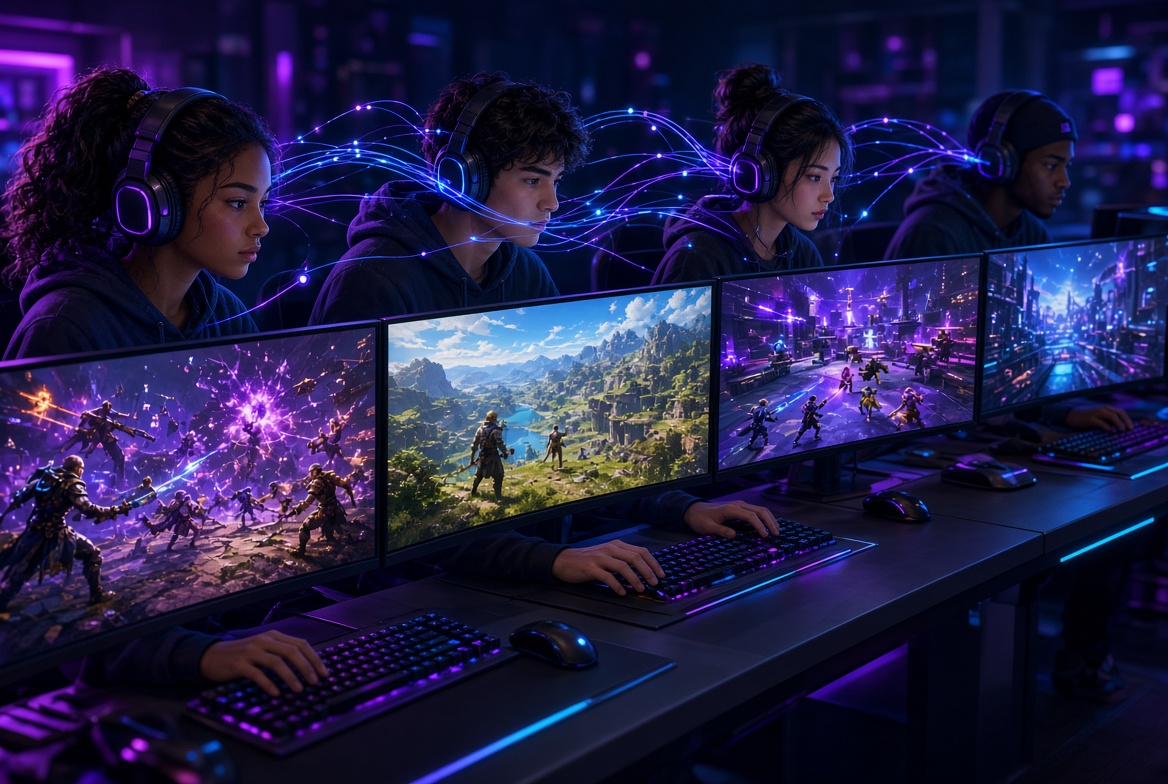
Online multiplayer games have transformed from niche digital pastimes into a dominant force in global entertainment. In 2026, millions of players log in daily across platforms, connecting with friends, competitors, and strangers in shared virtual worlds. From tactical shooters and battle royales to cooperative adventures and massive online worlds, these experiences offer more than simple diversion. They deliver cognitive challenges, social connections, and personal growth opportunities that extend beyond the screen. For dedicated players, understanding the current state of online gaming—and how to engage with it effectively—can elevate both enjoyment and long-term benefits.
The Expanding Appeal of Online Play
The shift toward online multiplayer formats accelerated with improved internet infrastructure, cross-platform capabilities, and the rise of live-service models. Today, players expect seamless connectivity whether they use a high-end PC, console, or mobile device. Titles that support cross-play allow friends on different hardware to team up without barriers, fostering larger and more inclusive communities. Cloud gaming further lowers entry points by reducing the need for expensive local hardware, enabling more people to participate in demanding multiplayer experiences.
Research consistently highlights positive outcomes associated with moderated multiplayer engagement. Studies show that cooperative and competitive online play can strengthen problem-solving skills, spatial awareness, and strategic thinking. Communication requirements in team-based games encourage clear verbal coordination and adaptive decision-making under pressure. Socially, these environments generate meaningful connections. Players often form lasting friendships, build a sense of belonging, and develop bridging social capital through interactions with diverse individuals. When approached with intention, online gaming supports emotional regulation, stress relief, and a sense of accomplishment that transfers to offline life.
Key Trends Shaping Online Gaming in 2026
Several developments define the current multiplayer landscape. Artificial intelligence now influences both development pipelines and in-game systems. Adaptive AI opponents, dynamic world generation, and personalized matchmaking create more responsive experiences tailored to individual skill levels and play styles. Generative tools help studios produce content at scale, keeping live-service games fresh with regular updates, seasonal events, and evolving maps.
Cross-platform play has become standard rather than exceptional. Players prioritize titles that let them join squads regardless of device. Cosmetic economies and progression systems continue to thrive, allowing personal expression through virtual items while rewarding consistent engagement. Hybrid-casual designs blend accessible mechanics with deeper long-term goals, appealing to both casual sessions and dedicated grinders. Esports integration and spectator features expand the audience beyond active players, turning competitive scenes into broader entertainment ecosystems.
Mobile remains a major access point, particularly in emerging markets, while PC and console communities drive high-skill competitive play. Games emphasizing cooperation, such as extraction shooters or shared-world adventures, sit alongside pure competitive titles. The most successful experiences balance accessibility with depth, ensuring new players can join without feeling immediately overwhelmed while offering high skill ceilings for veterans.
Strategies for Getting More from Online Multiplayer
Successful online gamers approach sessions with purpose. Start by selecting games that align with personal goals—whether pure competition, social connection, or narrative co-op. Invest time in understanding core mechanics, maps, and meta strategies through official resources, community guides, and practice modes. Consistent practice in aim trainers, movement drills, or role-specific scenarios yields measurable improvement.
Communication remains one of the highest-impact skills. Clear, concise callouts and positive reinforcement elevate team performance far more than individual mechanical skill alone. Mute toxic players promptly and seek out constructive communities or Discord servers that match your preferred play style. Many long-term players report that the quality of teammates matters more than any single game update.
Balance is essential. Set session limits, take regular breaks, and maintain offline activities and relationships. Tracking performance metrics can motivate improvement, but avoid letting rankings define self-worth. Experiment across genres to prevent burnout—alternating between high-intensity competitive matches and relaxed cooperative sessions keeps engagement sustainable.
Hardware and settings also matter. Optimize network stability with wired connections where possible, fine-tune graphics and input latency, and use quality audio solutions for spatial awareness. Cross-platform friends lists and cloud saves help maintain continuity across devices.
The Importance of Thoughtful Design Behind the Experience
While players focus on skill and community, the quality of the underlying game design determines how rewarding those efforts feel. Smooth netcode, fair matchmaking, responsive controls, and meaningful progression systems separate memorable multiplayer titles from frustrating ones. Developers who prioritize player feedback, iterative testing, and technical excellence create environments where skill expression and social interaction thrive.
Companies specializing in game development play a critical role in this ecosystem. Professional studios bring expertise in Unity, Unreal Engine, cross-platform architecture, mobile optimization, and immersive technologies such as AR and VR. Their work on real-time multiplayer systems, anti-cheat measures, and engaging user experiences directly influences what players encounter every day. For those interested in the craft behind polished online worlds, resources from experienced development teams offer valuable perspective on how engaging multiplayer experiences are built.
Looking Ahead
Online multiplayer games will continue evolving with advances in AI, networking, and interactive storytelling. Players who stay curious, prioritize healthy habits, and seek quality communities stand to gain the most. Whether grinding ranked ladders, exploring shared worlds with friends, or simply enjoying casual matches, the medium rewards intentional participation.
The best online experiences emerge from the intersection of skilled players and carefully crafted design. As the industry moves forward, gamers who appreciate both the competitive thrill and the social potential of these digital spaces will find lasting value. Exploring the technical foundations of great multiplayer games can deepen that appreciation—visit https://teslatotogif.com/ to learn more about professional approaches to game development that power the titles players love.
Online multiplayer gaming in 2026 is more accessible, connected, and sophisticated than ever. Approach it with strategy, respect for fellow players, and an eye toward balance, and the rewards—skill growth, friendships, and pure enjoyment—will follow.
 dfgds sdfsfa
  Pianpian qian
  Walter Bridges