
Salalah is one of those places people talk about with hesitation. Not because it’s bad—but because it doesn’t fit expectations. If you’re imagining nonstop sightseeing, glossy attractions, or dramatic landmarks every few minutes, this is where trips often go wrong. Salalah doesn’t perform. It settles in.
I’ve been asked more than once whether Salalah is “worth it,” usually by travelers deciding between it and somewhere louder, busier, or more obviously famous. The honest answer is: it depends on how you travel. If you’re drawn to slower days, natural shifts in weather, and places that feel lived-in rather than curated, Salalah can be quietly rewarding. If not, it can feel underwhelming.
This guide is for travelers who want clarity—not hype—especially those comparing itineraries or considering curated options like Best Salalah travel experiences without wanting a brochure version of the truth.
First Impressions: This Is Not the Oman You Expect
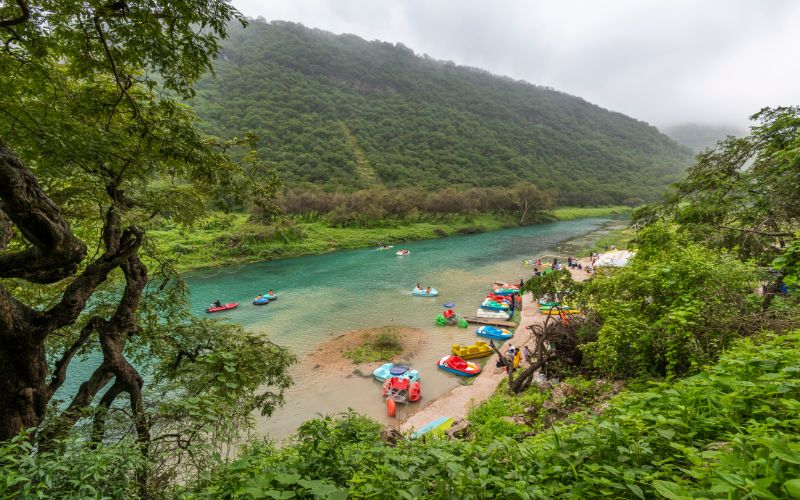
Most people land in Salalah expecting desert heat and stark landscapes. Then they see coconut palms lining the roads, green hills rising in the distance, and clouds rolling in low.
Salalah belongs to southern Oman, and that matters. It feels closer to the Indian Ocean world than the Gulf. Even the air feels different—heavier, softer.
The city itself is functional rather than beautiful. Wide roads. Low buildings. A working rhythm. If you judge Salalah only by its urban core, you’ll miss the point entirely.
The Khareef Factor: Timing Changes Everything
Salalah has two personalities, and the season you visit determines which one you meet.
During Khareef (roughly June–September)
This is what most people come for. Monsoon winds bring mist, drizzle, and greenery. Hills turn bright green. Waterfalls appear. Temperatures stay mild.
It’s also crowded. Domestic tourism spikes. Roads slow down. Popular spots feel busy, especially on weekends.
Khareef is visually striking but logistically demanding. Visibility changes fast. You return to places twice because fog swallowed your first attempt. That’s part of the experience—but it frustrates travelers who expect efficiency.
Outside Khareef (October–May)
Dry, sunny, quieter. The landscape turns brown again, but the coast shines. Beaches feel empty. Driving is easier. The pace slows further.
Many travelers assume Salalah isn’t worth visiting outside khareef. That’s not true. It’s just different—and arguably more peaceful.
Nature Is the Main Event
Salalah’s value lies outside the city.
-
Dramatic beaches backed by cliffs
-
Seasonal waterfalls and green wadis
-
Rolling hills that feel unexpectedly lush
Places like Mughsail Beach, Wadi Darbat, and the Dhofar mountains aren’t “sights” in the traditional sense. They’re environments. You don’t rush through them. You wait. You watch light change.
Most people miss this by treating Salalah like a checklist destination. It’s not.
Beaches: Wild, Not Polished
Salalah’s beaches are beautiful, but not curated.
You won’t find rows of loungers or beach clubs. You’ll find long stretches of sand, strong waves, and very few people. Swimming can be rough depending on conditions. This isn’t a resort-beach destination unless you stay inside a resort bubble.
If you like empty coastlines and space, Salalah delivers. If you want easy swimming and facilities, adjust expectations.
Culture and Daily Life: Subtle, Not Performative
Salalah doesn’t put culture on display.
Markets feel local. Frankincense shops are practical, not theatrical. People go about their routines. You’re observing, not being entertained.
If you enjoy blending in—drinking tea, walking through neighborhoods, watching daily rhythms—this is rewarding. If you want interactive cultural attractions or performances, you may feel disconnected.
That’s not a flaw. It’s a difference.
Food: Simple, Regional, Consistent
Food in Salalah is good, but not a highlight destination on its own.
You’ll find:
-
Omani dishes like shuwa (slow-cooked meat)
-
Indian and Yemeni influences
-
Fresh coconut water and tropical fruit
Meals are filling, flavorful, and unpretentious. Dining out isn’t an event—it’s part of the day.
If food drives your travel decisions, Salalah won’t compete with major culinary capitals. If food is part of the rhythm, it fits just fine.
Getting Around: You Need a Car (Or a Plan)
This is important.
Salalah is spread out. Public transport is limited. Taxis work within the city but aren’t ideal for nature spots.
To really experience Salalah, you need:
-
A rental car, or
-
A clear plan with drivers or guides
Trying to “wing it” without transport is where trips stall. Distances aren’t huge, but they’re inconvenient on foot.
Who Salalah Is (and Isn’t) For
Salalah is worth visiting if you:
-
Enjoy nature over nightlife
-
Like slower travel
-
Don’t need constant stimulation
-
Are flexible with weather
-
Appreciate quiet places
Salalah may disappoint you if you:
-
Want packed itineraries
-
Expect luxury experiences everywhere
-
Prefer cities with strong visual identity
-
Need constant entertainment
This clarity matters more than any ranking.
Common Missteps Travelers Make
-
Visiting only the city and skipping the surroundings
-
Coming during khareef without planning around crowds
-
Expecting dramatic landmarks instead of atmosphere
-
Staying too short (2 days rarely works)
Salalah needs time. Three to five days is a better baseline.
Is Salalah “Worth It”? The Honest Answer
Salalah isn’t universally worth visiting. And that’s actually a good thing.
It doesn’t try to appeal to everyone. It rewards travelers who notice details, who don’t mind repeating a drive for better light, who enjoy being slightly disconnected.
If that sounds like you, Salalah can feel refreshing in a region that often prioritizes spectacle. If not, you may leave wondering what you missed—because what Salalah offers isn’t obvious.
Final Thoughts
So, is Salalah worth visiting?
Yes—if you travel with patience, flexibility, and realistic expectations. It’s not a headline destination. It’s a mood. A seasonal shift. A place that asks you to slow down.
If you’re weighing itineraries or considering curated routes like Best Salalah travel experiences, make sure they match this rhythm. Don’t force Salalah to be something it isn’t.
Let it be quiet. Let it be green or dry. Let it surprise you on its own terms.
FAQs
1. How many days should I spend in Salalah?
Ideally 3–5 days. Less feels rushed; more works if you enjoy slow travel.
2. Is khareef season the best time to visit?
It’s the most unique visually, but also the busiest. Off-season visits are calmer.
3. Do I need a car in Salalah?
Yes, unless you’re staying strictly within a resort or using organized day trips.
4. Is Salalah family-friendly?
Yes, especially for nature-focused families. Just plan transport carefully.
5. Is Salalah expensive?
Moderate. Food and fuel are affordable; hotels vary by season.
6. Can I swim at Salalah’s beaches?
Sometimes. Conditions vary, and waves can be strong.
7. Is Salalah good for first-time Oman visitors?
It can be, but it shows a very different side of Oman than Muscat or the desert.
 gangotritravels07@gmail.com
  Emma Mia
  Abhay seo