
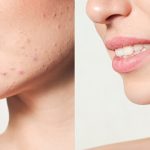
 Safely Fading Deep Acne Scars

Acne is a difficult condition to endure, but for many people, the physical and emotional scars left behind long after the breakouts have cleared can be even more challenging. Deep acne scars can serve as permanent reminders of past struggles with skin, affecting self esteem and confidence. While the pharmacy aisles are lined with creams and serums claiming to erase imperfections, the reality is that deep atrophic scars often cannot be treated effectively with over the counter products. To see real, lasting change, professional intervention such as acne scar treatment chicago is usually required. Learning how to safely fade deep acne scars with skin care clinic medical grade treatments can open the door to smoother skin and renewed confidence.
Understanding Deep Acne Scars
Before diving into treatments, it is important to understand what deep scars actually are. Not every mark on your face is a deep scar. Post inflammatory hyperpigmentation, or dark spots left behind after a pimple heals, are discolorations, not true textural scars. These often fade with time and topical brighteners. Deep scars, however, involve a loss of collagen or damage to the dermis, the deeper layer of the skin. They are categorized into three main types. Ice pick scars are deep and narrow, resembling pores. Boxcar scars are round or oval depressions with sharp edges. Rolling scars have sloping edges that give the skin a wavy appearance. Because these scars involve structural damage to the skin, creams simply cannot penetrate deep enough to repair the tissue. This is why professional help is essential.
The Value of a Skin Care Clinic
Walking into a skin care clinic offers a distinct advantage over trying to fix the issue at home. Dermatologists and licensed aestheticians have a deep understanding of skin anatomy. They can assess the specific types of scars you have and recommend a treatment plan tailored specifically to your skin type and scarring severity. Attempting to treat deep scars at home can be dangerous. Tools like dermarollers or chemical peels found online can cause infection, further scarring, or burns if used incorrectly. A clinic provides a sterule environment and medical grade products that are formulated for safety and efficacy. Furthermore, these professionals have access to technology that is not available for purchase by the general public.
Laser Resurfacing Therapies
Laser therapy is perhaps the most well known medical grade treatment for deep scars. It works by removing layers of skin precisely or stimulating collagen production deep beneath the surface.
Ablative Lasers
Ablative lasars, such as the CO2 laser, vaporize the top layers of the skin. This process is akin to sanding down a rough surface. It sounds intense, but it is highly controlled. By removing the damaged tissue, the skin heals anew, with smoother skin replacing the old scarred tissue. This treatment is very effective for deep scars but does require a longer recovery time.
Non Ablative Lasers
Non ablative lasers, such as fractional lasers, work differently. They target the dermis beneath the surface without removing the top layer of skin. The laser creates tiny columns of thermal damage deep in the skin. This triggers the body’s natural healing response, which includes a massive boost in collagen production. As the new collagen forms, it pushes the depressed scars up from beneath, smoothing out the surface.
Microneedling and Collagen Induction
Microneedling is another powerful tool in the fight against acne scars. During this procedure, a device equipped with fine needles is passed over the skin. These needles create microscopic punctures in the scar tissue.
While this might sound painful, numbing cream is applied beforehand to ensure comfort. The micro injuries signal the body to repair the area. The body rushes blood flow, growth factors, and collagen to the treated area. Over time, this new collagen fills in the indentations of the scars. Medical grade microneedling devices used in clinics penetrate deeper and are more effective than home rollers, often combining radio frequency energy to tighten the skin further.
Chemical Peels for Resurfacing
While you can buy chemical peels at a drugstore, the strength available in a clinic is in a different league. Medical grade peels use strong acids, such as Trichloroacetic acid, to remove the outer layers of skin. For deep scars, a medium to deep peel is often recommended. The chemical solution is applied to the skin, causing it to blister and eventually peel off. Underneath the old skin lies new, fresh skin with improved texture. Peels can be particularly effective for boxcar scars and uneven skin tone. A professional will determine the appropriate strength to avoid damaging the deeper layers of the skin.
Subcision for Rolling Scars
Rolling scars are caused by fibrous bands of tissue that pull the skin down, tethering it to the deeper structures below. Surface treatments cannot fix this because they do not address the root of the problem. A specialized procedure called subcision is designed exactly for this. In this treatment, a needle is inserted under the skin alongside the scar. The doctor uses the needle to manually break the fibrous bands pulling the skin down. Once these tethers are cut, the skin can spring back up to its natural level. This is often combined with other treatments like lasers or fillers to plump the area once it has been released.
The Safety of Medical Grade Products
One of the biggest benefits of visiting a skin care clinic is access to medical grade products. To maintain the results of your professional treatments, a good home care routine is vital. Doctors can prescribe or recommend products with active ingredients like retinoids and alpha hydroxy acids at strengths that are safe and effective.
They can also tailor these products to your healing process. For example, after a laser treatment, your skin barrier is compromised. Using standard over the counter products might sting or cause breakouts. A clinic can provide gentle, restorative washes and moisturizers designed specifically for post procedure skin. This ensures that your investment in professional treatments yields the best possible outcome.
Managing Recovery and Downtime
When undergoing medical grade treatments for deep scars, understanding the recovery process is key. Treatments like ablative lasers or deep chemical peels require downtime. You will likely experience redness, swelling, and peeling for a week or two. It is crucial to follow all aftercare instructions provided by your clinic. This includes avoiding sun exposure completely, as UV rays can cause hyperpigmentation on the fresh skin. You must also avoid picking at peeling skin, as this can lead to scarring. While the downtime can be inconvenient, the results of deep scar revision are cumulative. Following the recovery protocol ensures that the skin heals properly without complications.
Conclusion
Deep acne scars can feel like a permanent mark on your confidence, but modern dermatology offers effective solutions. By relying on a skin care clinic for medical grade treatments, you ensure that your skin is treated with the highest safety standards. Whether through advanced lasers, microneedling, subcision, or chemical peels, there is a solution that fits your specific needs. Choosing professional care over DIY remedies is the safest path to achieving the smooth, clear complexion you deserve.
FAQS
Are medical grade treatments painful?
Most treatments involve some level of discomfort, but clinics take steps to minimize it. Numbing creams, local anesthetics, and cooling devices are used to keep you comfortable. Most patients describe the sensation as a mild heat or snapping feeling.
How many treatments will I need to see results?
The number of sessions varies based on the severity of your scars. Typically, a series of three to six treatments spaced a few weeks apart is recommended for lasers and microneedling. Subcision might only need to be done once or twice per scar area.
Is there any downtime after these procedures?
It depends on the treatment. Non ablative lasers and light microneedling might only cause a day or two of redness. Ablative lasers and deep chemical peels can require one to two weeks of downtime as the skin peels and heals.
Can deep acne scars be removed 100 percent?
No treatment can erase scars completely, but significant improvement is possible. The goal is usually to reduce the appearance of scars by 50 to 80 percent. A dermatologist can give you a realistic expectation of what can be achieved.
Are these treatments safe for all skin types?
Advancements in technology have made these treatments safer for darker skin tones, which were previously at risk for pigmentation issues. However, it is vital to see a provider experienced in treating your specific skin type to minimize risks.
 mike johns
  Ajmal kuwait
  The Little Nail Shop