
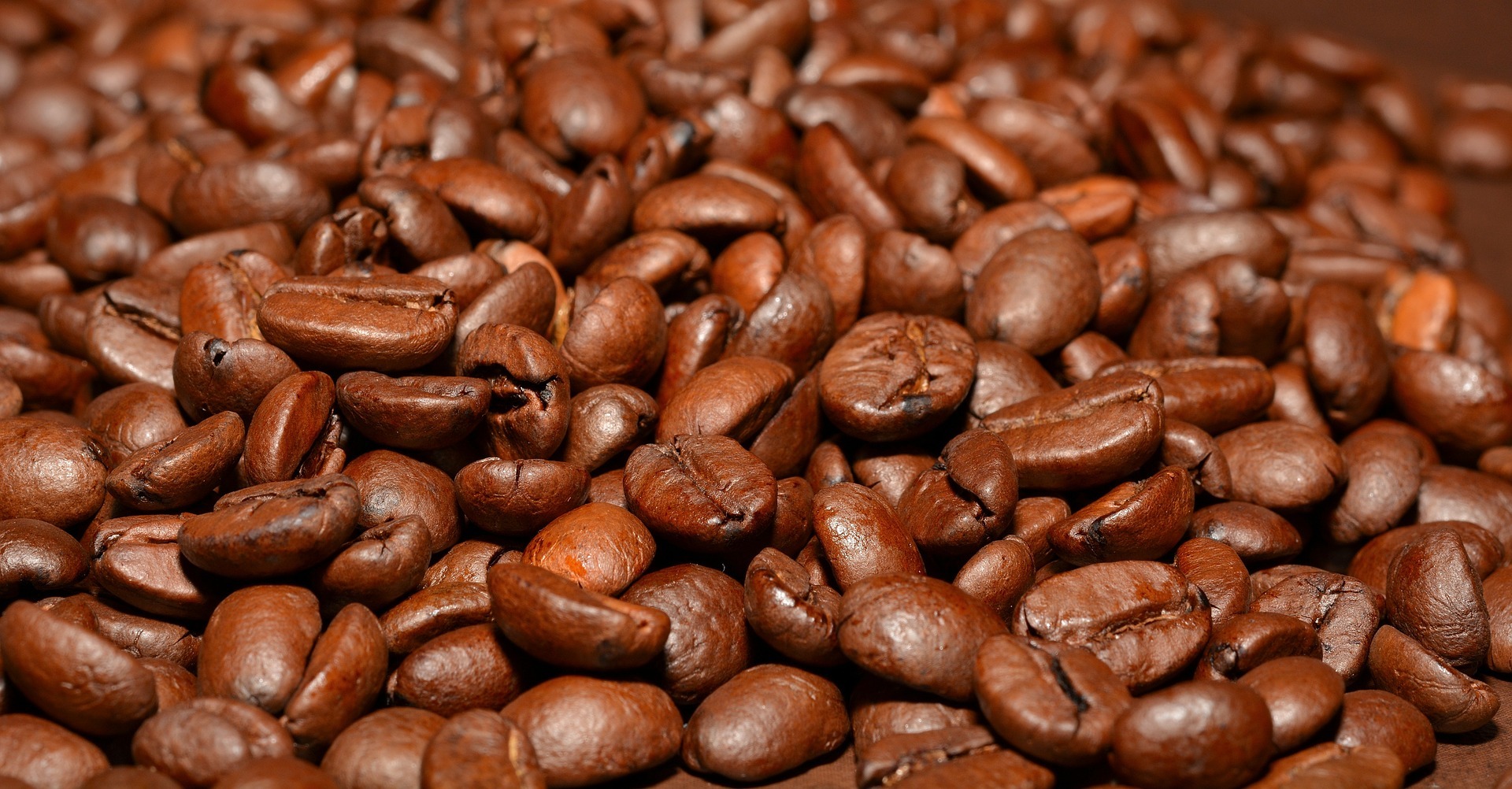
Choosing the right coffee bean manufacturer is an important decision for businesses purchasing coffee beans in bulk. A reliable manufacturing partner should consistently meet product requirements, support repeat orders, and help maintain uninterrupted supply. Whether you supply cafés, retailers, food service businesses, or private label brands, selecting a manufacturer that aligns with your procurement goals can improve operational efficiency and long-term business performance. Careful evaluation before placing bulk orders helps establish dependable commercial relationships.
Understand Your Coffee Bean Requirements
Before contacting manufacturers, define the type of coffee beans your business requires. Decide whether you need Arabica, Robusta, or blended beans based on your product portfolio and customer preferences. You should also determine whether green or roasted beans best suit your operations and estimate expected purchasing volumes. Clearly identifying these requirements allows businesses to compare manufacturers that can consistently meet their commercial needs.
Evaluate Coffee Bean Sourcing Standards
The quality of coffee beans should remain consistent across every bulk purchase. Before selecting a manufacturer, review the standards used to classify and prepare coffee beans for commercial supply. Consistent sourcing standards help businesses maintain product quality and reduce variations in their finished products.
Important factors to review include:
- Bean Grading: Confirm that beans are graded consistently based on size and quality.
- Processing Method: Understand whether the beans are naturally processed, washed, or honey processed, depending on your product requirements.
- Origin Consistency: Ask whether the same sourcing standards are maintained across repeat orders.
- Harvest Quality: Discuss how seasonal harvest variations are managed to maintain consistency.
Reviewing these sourcing standards helps businesses make informed purchasing decisions and maintain reliable product quality over time.
Choose Coffee Beans That Match Your Roasting Needs
Different coffee products require different roasting approaches. Before placing a bulk order, determine whether your business requires green coffee beans for in-house roasting or roasted beans that are ready for further processing or sale. If roasted beans are required, discuss available roast profiles and how consistently they can be maintained across future orders. Matching coffee beans to your roasting requirements helps support product consistency and operational efficiency.
Review Packaging and Storage Requirements
Proper packaging plays an important role in preserving coffee bean quality during storage and transportation. Businesses purchasing in bulk should understand how products are packed and protected before shipment.
Key considerations include:
- Packaging Materials: Confirm that packaging protects beans from moisture and external contamination.
- Storage Conditions: Understand recommended storage practices to maintain freshness.
- Bulk Packaging Options: Review available packaging sizes that suit your purchasing volumes.
- Handling During Transportation: Discuss how products are protected throughout distribution.
Appropriate packaging and storage practices help preserve coffee bean quality until the product reaches its intended destination.
Understand Traceability and Documentation
Traceability supports greater transparency throughout the purchasing process. Businesses should request documentation that helps identify products and verify order details when required. Brands such as Starlon Naturals work with commercial buyers across multiple beverage categories, demonstrating the importance of maintaining accurate product records. Some businesses also evaluate a tea supplier when sourcing complementary beverage products through fewer manufacturing partners.
Assess the Manufacturer’s Ability to Support Business Growth
Business requirements often change as customer demand increases. Before establishing a long-term relationship, discuss whether the manufacturer can support larger order volumes, introduce additional coffee bean varieties, or accommodate changing procurement needs. A manufacturer that can adapt alongside business growth helps reduce the need to frequently change sourcing partners and supports greater continuity over time.
Review Commercial and Order Confirmation Details
Clear purchasing documentation helps reduce misunderstandings before production and dispatch begin.
Before confirming an order, review the following:
- Purchase Specifications: Verify that agreed product requirements are documented correctly.
- Delivery Schedule: Confirm expected production and dispatch timelines.
- Commercial Terms: Review payment conditions and purchasing agreements.
- Order Confirmation: Ensure quantities, packaging requirements, and delivery instructions are recorded accurately.
Businesses that source coffee alongside products from a tea supplier should ensure purchasing documentation clearly distinguishes specifications for each product category before confirming orders.
Conclusion
Selecting the right coffee bean manufacturer for bulk B2B supply requires careful evaluation of your product requirements, coffee bean sourcing standards, roasting needs, packaging and storage practices, traceability, and purchasing documentation. Looking beyond price helps businesses establish reliable sourcing relationships that support long-term operations. Taking time to assess these factors before placing bulk orders can improve supply continuity, maintain consistent product quality, and build stronger commercial partnerships that support sustainable business growth.
 bpifarnorthcoast@gmail.com
  thedesertstar
  thomas joeethan