
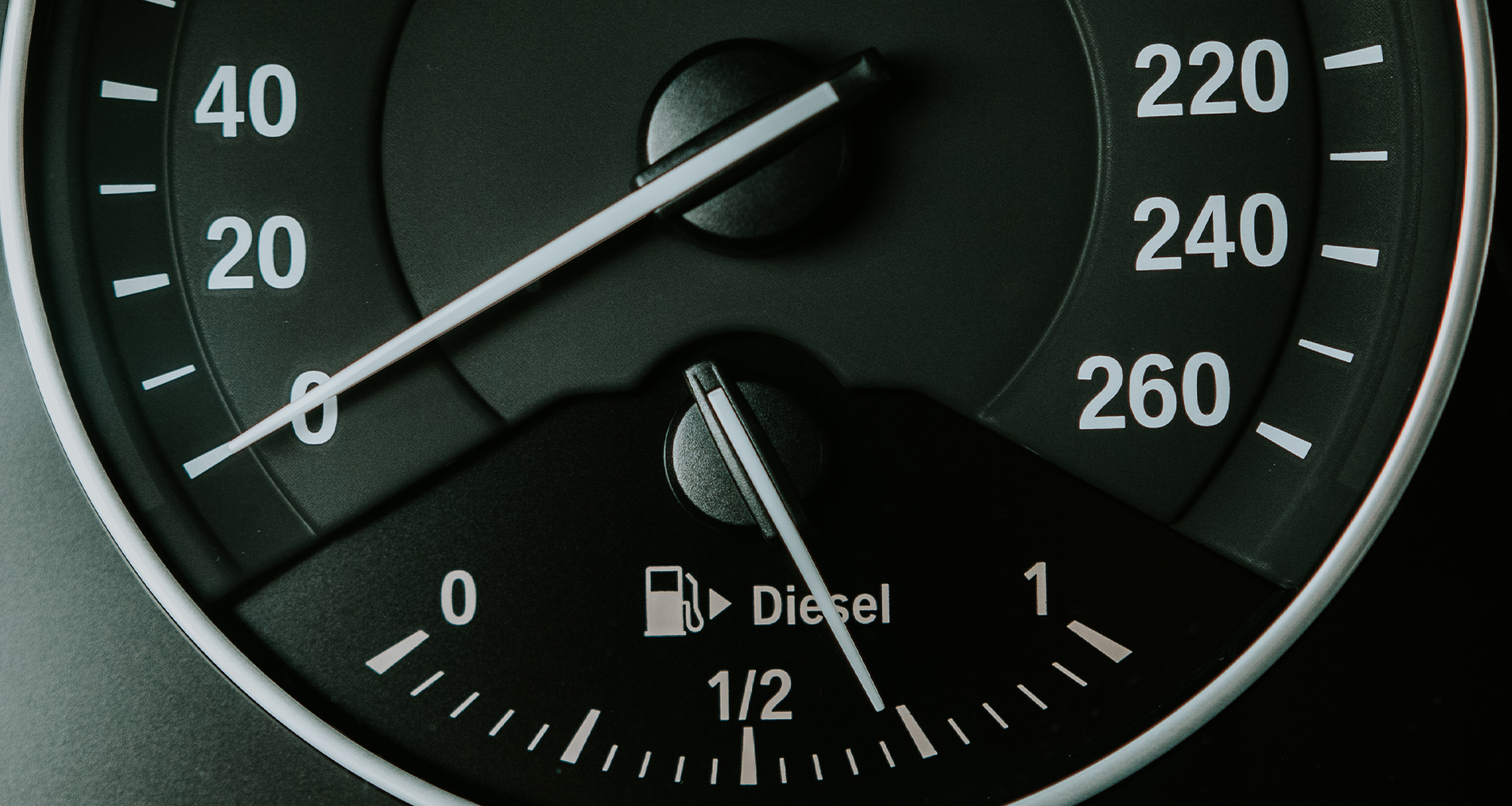
Fuel efficiency is one of the biggest concerns for car owners today. Whether you drive daily to work or frequently travel long distances, knowing how to calculate car average can help you monitor fuel consumption, reduce running costs, and improve driving habits. While engine performance plays a major role in mileage, other components such as a properly maintained tubeless car tyre also contribute to better fuel efficiency. Understanding how these factors work together allows you to get the most out of every litre of fuel.
Why Tracking Fuel Efficiency Matters
Monitoring your car’s mileage provides valuable insights into its overall performance.
Regular mileage tracking helps you:
- Identify changes in fuel consumption
- Detect mechanical issues early
- Reduce fuel expenses
- Improve driving habits
- Plan long trips more efficiently
- Maintain your vehicle properly
Keeping track of fuel efficiency also helps you understand whether your car is performing as expected.
What Is Car Mileage?
Car mileage, often called fuel average or fuel economy, refers to the distance a vehicle travels using a certain amount of fuel.
A higher mileage means your vehicle covers more distance while using less fuel, making it more economical to operate.
Several factors influence fuel efficiency, including:
- Driving habits
- Road conditions
- Vehicle maintenance
- Traffic
- Tyre condition
- Engine health
Understanding these factors helps improve overall vehicle performance.
How to Calculate Car Average
Knowing how to calculate car average is simple and requires only a few steps.
Step 1: Fill the Fuel Tank
Fill your fuel tank completely and note the odometer reading or reset the trip meter.
Step 2: Drive Normally
Use your vehicle as you normally would until it’s time for the next refill.
Step 3: Refill the Tank
Fill the tank completely again and record:
- Distance travelled
- Amount of fuel added
Step 4: Calculate Mileage
Use the following formula:
Mileage = Total Distance Travelled ÷ Fuel Consumed
For example, if your vehicle travels 500 kilometres using 25 litres of fuel:
500 ÷ 25 = 20 kilometres per litre
Repeating this process over several refills provides a more accurate picture of your vehicle’s fuel efficiency.
Factors That Affect Fuel Efficiency
Many conditions influence how much fuel your vehicle consumes.
Driving Style
Aggressive acceleration and sudden braking increase fuel consumption.
Smooth driving helps improve mileage.
Traffic Conditions
Frequent stopping and starting in heavy traffic reduce fuel efficiency.
Vehicle Load
Carrying unnecessary weight forces the engine to work harder.
Air Conditioning Usage
Continuous use of air conditioning can slightly increase fuel consumption.
Tyre Condition
Tyres play a surprisingly important role in fuel economy.
How Tubeless Car Tyres Improve Efficiency
A properly maintained tubeless car tyre offers several advantages that can contribute to better fuel efficiency.
Lower Rolling Resistance
Modern tubeless tyres are designed to roll more efficiently, reducing the effort required to move the vehicle.
Better Air Retention
They lose air more slowly than conventional tyres, helping maintain proper inflation.
Improved Ride Comfort
Tubeless tyres absorb road imperfections more effectively, providing a smoother driving experience.
Enhanced Safety
In case of small punctures, air escapes gradually, allowing better vehicle control.
Maintaining the correct tyre pressure is essential for maximizing these benefits.
Tips to Improve Fuel Efficiency
After learning how to calculate car average, you can take steps to improve it.
Follow these simple practices:
- Maintain correct tyre pressure.
- Drive at steady speeds.
- Avoid harsh acceleration.
- Remove unnecessary weight.
- Service your vehicle regularly.
- Use the recommended engine oil.
- Turn off the engine during long stops.
- Plan routes to avoid heavy traffic.
Small improvements in driving habits can make a noticeable difference over time.
Signs Your Vehicle May Be Losing Fuel Efficiency
A sudden drop in mileage may indicate an underlying issue.
Watch for:
- Increased fuel consumption
- Poor engine performance
- Low tyre pressure
- Dirty air filters
- Engine warning lights
- Rough idling
- Reduced acceleration
Prompt maintenance helps restore fuel efficiency while preventing more serious problems.
Common Mistakes That Reduce Mileage
Many drivers unknowingly reduce fuel economy through everyday habits.
Avoid these mistakes:
- Ignoring tyre pressure
- Delaying vehicle servicing
- Overloading the car
- Driving aggressively
- Skipping wheel alignment
- Using worn tyres
Routine maintenance helps your vehicle perform more efficiently.
Benefits of Regular Fuel Monitoring
Tracking mileage consistently offers several advantages.
These include:
- Better budget planning
- Early detection of mechanical problems
- Improved vehicle performance
- Lower fuel costs
- Longer vehicle lifespan
- Environmentally responsible driving
Keeping simple mileage records can help you notice changes before they become expensive repairs.
Future Trends in Fuel Efficiency
Automotive technology continues improving fuel economy through innovation.
Emerging developments include:
Smart Vehicle Monitoring
Connected systems automatically track fuel consumption and driving habits.
Lightweight Vehicle Design
Improved materials help reduce overall vehicle weight.
Advanced Tyre Technology
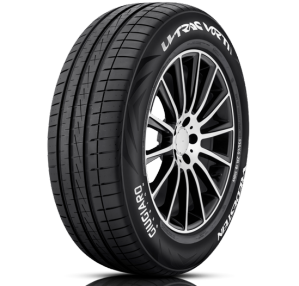
Modern tubeless car tyre designs continue reducing rolling resistance while improving durability.
Intelligent Driving Assistance
New technologies help drivers adopt more fuel-efficient driving practices.
These innovations continue making vehicles more economical and environmentally friendly.
Conclusion
Learning how to calculate car average is a simple yet valuable way to monitor your vehicle’s performance and control fuel expenses. Regular mileage tracking, combined with good driving habits and proper maintenance of every tubeless car tyre, can significantly improve fuel efficiency and enhance driving safety. Vredestein, shaped by more than 110 years of European heritage, continues to advance global tyre technology through pioneering research, rigorous testing, and continuous innovation, delivering high-performance tyre solutions designed to provide a safer, more comfortable, and more efficient driving experience.
 emilycarey757
  World Tech SDN BHD