
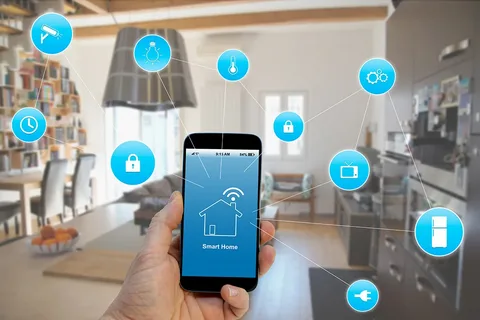
Modern technology has changed the way people interact with their homes. Many everyday tasks can now be controlled through connected devices, making it easier to manage lighting, temperature, security, entertainment, and other features. A well-planned setup can bring several functions together instead of requiring separate controls for every device. The goal is not simply to add technology, but to make the home more convenient and easier to manage.
Creating a Connected Living Space
A connected home allows different devices to communicate through a central system or compatible network. Lights, thermostats, cameras, door locks, speakers, and other equipment can often be managed from a phone, tablet, voice assistant, or wall-mounted control. Smart Home Automation System in Tempe AZ can be designed around the specific needs of a household, allowing homeowners to choose the features that provide the most practical value.
Improving Everyday Convenience
One of the clearest benefits of automation is convenience. Instead of walking through the house to turn off several lights, homeowners may be able to control them from one location. Automated routines can also perform multiple actions at once. For example, a bedtime setting could turn off selected lights, adjust the thermostat, and lock connected doors. These small conveniences can make daily routines simpler.
Managing Home Lighting
Connected lighting can provide greater control over individual rooms and outdoor areas. Homeowners may adjust brightness, create schedules, or turn lights on and off remotely. Motion sensors can also activate lighting when someone enters a particular area. This can be useful for hallways, entrances, garages, and other spaces that may not need lights running continuously.
Controlling Temperature Efficiently
Heating and cooling are major parts of household energy use, so temperature control can be an important part of an automated home. A connected thermostat may allow users to adjust settings remotely or create schedules based on daily routines. Some systems can also respond to occupancy or other conditions. Proper settings can help maintain comfort while reducing unnecessary heating or cooling.
Strengthening Home Security
Automation can also support a broader home security setup. Connected cameras, door sensors, smart locks, motion detectors, and video doorbells can provide homeowners with more information about activity around the property. Some devices can send alerts to a phone when unusual activity is detected. However, security equipment should be installed correctly and protected with strong passwords and updated software.
Adding Voice and Remote Control
Voice commands can make connected devices easier to use, especially when a person’s hands are occupied. Homeowners may be able to ask an assistant to adjust lights, play music, or change the thermostat. Remote control is another useful feature because it allows certain devices to be managed while away from home. These options can be especially helpful for people who prefer simple controls.
Choosing Compatible Devices
Not every connected device works with every automation platform. Compatibility should be checked before purchasing equipment. A home with several devices from different manufacturers may require additional hubs or software to bring everything together. Choosing products that support the same platform can make installation and everyday control easier. Planning compatibility in advance can also reduce the need to replace equipment later.
Protecting Connected Devices
Because automated devices connect to a network, cybersecurity should be part of the planning process. Homeowners should change default passwords, use strong unique credentials, enable available security features, and keep device software updated. A secure Wi-Fi network is also important. Separating certain smart devices from computers and other sensitive equipment may provide another layer of protection when the network supports it.
Planning Automation Around Your Routine
Automation works best when it reflects how a household actually operates. Smart Home Services can help organize features around daily activities such as waking up, leaving for work, returning home, entertaining guests, or going to bed. Instead of automating everything, homeowners can focus on routines that solve common problems. This approach can make the technology feel useful rather than complicated.
Thinking About Future Expansion
A smart home system does not have to be completed all at once. Homeowners can begin with a few useful devices and expand the system over time. When planning the first installation, it is helpful to consider future additions such as cameras, shades, audio equipment, or additional lighting. A flexible setup can make it easier to add new features without rebuilding the entire system.
Making Technology Work for the Home
The best automation setup is one that improves everyday life without creating unnecessary complexity. Careful planning, compatible devices, secure connections, and useful routines can turn separate smart products into a coordinated system. Homeowners should focus on convenience, comfort, security, and practical needs when deciding what to automate. With the right approach, technology can become a natural part of the home rather than another system that feels difficult to manage.
 coderedproInsights
 Somatic Therapy Nashville
 saadurrehman