
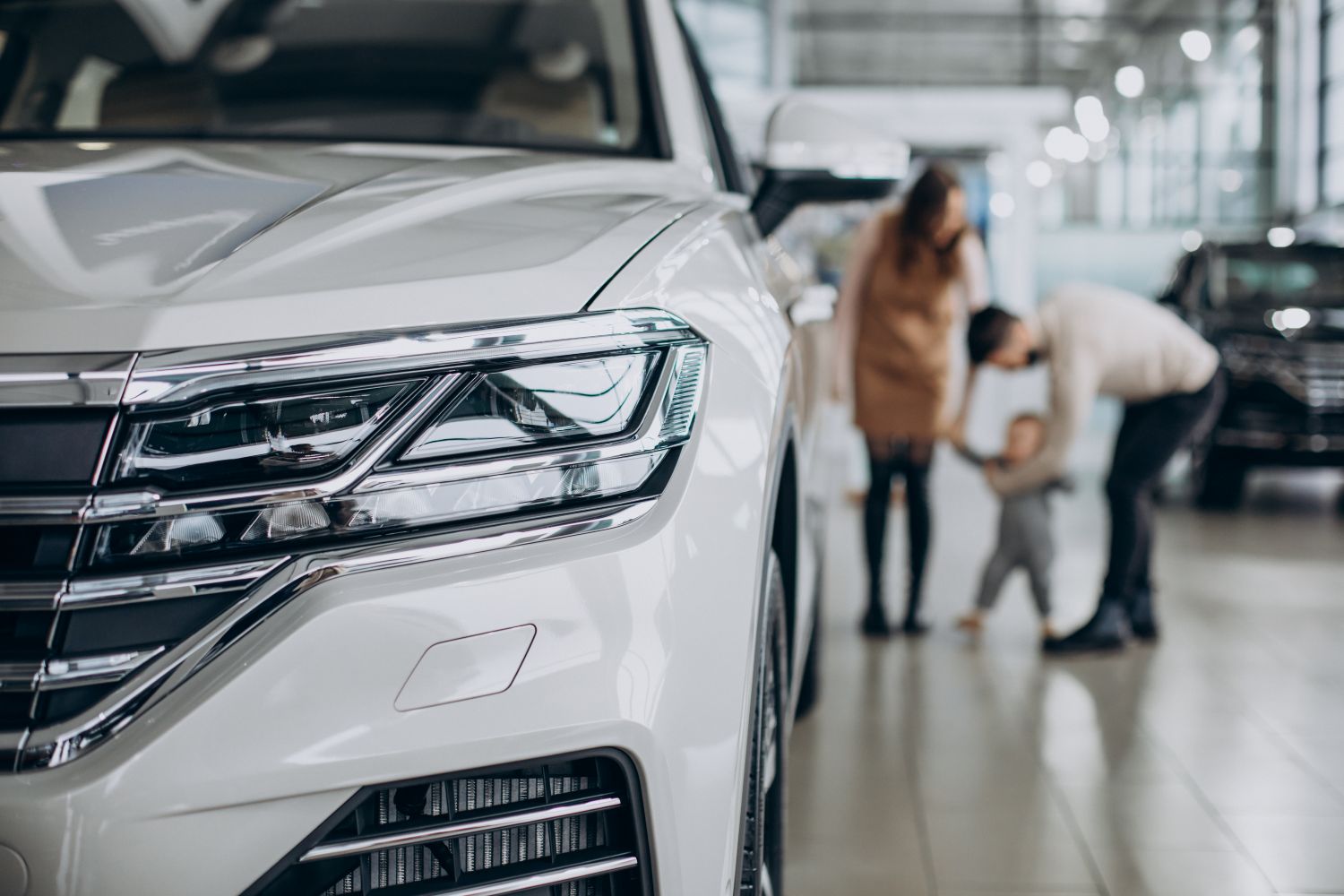
Cars are no longer just engines, axles, and wheels. They are highly sophisticated, interconnected computers that happen to move us from one place to another. With built-in artificial intelligence, advanced driver-assistance systems, and real-time internet connectivity, modern vehicles are changing the way we interact with the road. As our daily rides get smarter, the insurance policies that protect them must evolve as well.
For decades, the auto insurance industry relied on broad demographic data to calculate risk. Your age, credit score, location, driving history, and even your profession could influence your premium. That traditional model is now being challenged by the huge volume of data generated by smart cars. Insurance companies are moving away from static assumptions and leaning more on real-time analytics that show how a vehicle is actually driven and maintained.
This technological shift affects drivers all over the world. Whether you are insuring a high-tech electric vehicle in North America, managing connected fleets in Europe, or searching for competitive car insurance Qatar, the rules behind pricing and coverage are changing fast. Providers are adapting to a reality in which software updates, sensor calibration, and data-sharing permissions can matter almost as much as accident history.
In this guide, we will explore how smart car technology is reshaping motor insurance policies. You will see how connected systems influence risk assessment, why new forms of coverage are emerging, what challenges insurers and drivers still face, and how these changes may shape the future of premiums and protection.
The Rise of the Connected Vehicle
Before we look at the insurance implications, it helps to define what makes a vehicle “smart.” A smart car does more than move from one place to another. It continuously gathers, analyzes, and shares data about its surroundings, its condition, and in many cases, the behavior of its driver. That constant flow of information is valuable to manufacturers, repair networks, and increasingly, insurance providers.
In older vehicles, insurers had to estimate risk using limited information. They knew the make and model of the car, the age of the driver, and the claims history on file. In a smart car, they can potentially know much more. They may be able to see how often the vehicle is driven, whether it brakes hard on a regular basis, how many miles it covers, and whether advanced safety systems are active.
What Makes a Car Smart?
Modern vehicles rely on a web of integrated technology to operate more safely and efficiently. These components often include:
- Telematics sensors: Built-in systems that track speed, braking patterns, mileage, cornering behavior, and trip frequency.
- Cameras and radar: Equipment that monitors lanes, blind spots, nearby vehicles, pedestrians, and following distances.
- Artificial intelligence: Onboard computing that interprets sensor data and helps the car react to potential hazards.
- Network connectivity: Systems that connect the vehicle to mobile networks or Wi-Fi for remote diagnostics and over-the-air updates.
- Driver assistance software: Programs that support parking, lane centering, emergency braking, cruise control, and fatigue alerts.
Because these vehicles actively monitor what is happening in and around them, they create a detailed picture of vehicle use and condition. That gives insurers a much richer foundation for pricing policies than they had in the past.
How Smart Technology Changes Risk Assessment
The biggest shift smart cars bring to the insurance world is a more precise approach to risk. Instead of placing drivers into broad categories, insurers can evaluate real behavior and real vehicle performance. That creates opportunities for more personalized pricing, but it also introduces more complexity.
Real-Time Data Over Demographic Guesses
Historically, a younger driver often paid more because statistics showed that younger age groups filed more claims. A driver in a busy urban area paid more because dense traffic increased accident odds. Those assumptions still matter, but smart vehicle data can now refine them.
Connected cars can send telematics data to insurers through built-in systems or linked mobile apps. The insurer may assess how smoothly the driver accelerates, how often they brake sharply, how late they drive at night, and how much time they spend on high-risk roads. If a driver consistently shows safe patterns, that data can support a lower premium, even if traditional demographic models would have priced them higher.
This is one reason usage-based insurance has gained attention. Instead of judging risk mostly before the policy begins, insurers can evaluate how risk develops over time. Safer habits can be rewarded faster, and policy pricing can become more responsive.
The Impact of Autonomous Driving Features
Advanced Driver Assistance Systems, often called ADAS, have become one of the most important forces shaping insurance. Features like automatic emergency braking, adaptive cruise control, lane departure warnings, traffic sign recognition, and blind-spot monitoring reduce the chance of human error causing a collision.
Insurers have strong reasons to favor these systems. If a vehicle is less likely to rear-end another car or drift out of its lane, the provider may face fewer claims. That can lead to discounts for vehicles equipped with proven safety technology. In some markets, these features are beginning to influence not just premium size, but underwriting decisions and product design.
Still, these systems do not eliminate risk. Drivers may misunderstand their limits and rely on them too heavily. A lane-centering tool is not the same as full autonomy. If drivers treat assistance as replacement, the risk can rise again. Insurance companies must therefore evaluate both the presence of the technology and the way it is likely to be used.
Vehicle Health and Predictive Risk
Smart cars do not only track driving habits. They can also report on mechanical and software health. Tire pressure, battery condition, brake wear, and system alerts may all become part of the broader insurance picture in the future.
This could lead to predictive insurance models. If a car shows early warning signs of a failure that might cause an accident, a provider may encourage preventive maintenance. In time, policies may include incentives for keeping software updated and servicing key systems before they become dangerous.
Benefits and Challenges for Drivers
Smart cars create real opportunities for drivers, but they also bring new concerns. The same features that improve safety and lower some risks can increase costs in other areas.
Lower Premiums for Safer Driving
One of the most attractive benefits is the chance to reduce insurance costs through demonstrated safe behavior. A driver who avoids harsh braking, limits distracted driving, and maintains reasonable mileage may qualify for lower premiums under a connected insurance program.
Some insurers also reward ownership of vehicles with strong theft recovery tools. Built-in tracking and remote immobilization features can increase the odds of recovering a stolen vehicle quickly. That can reduce comprehensive claim severity and make the car less risky to insure.
For careful drivers, this shift can feel fairer. It gives them more control over what they pay and reduces dependence on broad assumptions that may not reflect their actual habits.
The High Cost of Tech Repairs
The major downside is repair cost. A small accident in an older car might involve simple bodywork. In a smart car, the same impact could damage sensors in the bumper, a windshield camera, radar units, or calibration-sensitive electronics.
These parts are expensive, and the labor required to install and recalibrate them is specialized. Even replacing a windshield can become costly if cameras and sensors need to be realigned afterward. That means some smart cars cost more to insure even when they are safer overall.
This creates a tension in the market. On one side, smart features reduce accident frequency. On the other, they can raise claim severity when a crash does happen. Insurers are constantly balancing those two forces when setting prices.
Data Privacy Concerns
Not every driver is comfortable sharing detailed driving data. Smart vehicles can reveal routines, locations, mileage patterns, and driving style. That raises important privacy questions.
Drivers may ask:
- Who owns the data generated by the car?
- How much of it is shared with insurers?
- Can it be used to deny claims?
- Could it be sold to third parties?
- How long is it stored?
These are not small concerns. Insurance companies that want to expand connected products will need to be transparent about data use, storage, and consent. Trust will be just as important as technology.
New Coverage Options in the Smart Era
Because smart cars face new risks, insurers are developing new forms of protection. Traditional policies still cover liability, collision, and comprehensive damage, but that framework is expanding.
Cyber Liability and Hack Protection
A connected car can face digital threats that older vehicles never did. Hackers may target infotainment systems, connected apps, remote access tools, or data stored in the vehicle. Even if the chance of a serious cyberattack remains low, the risk is real enough to influence policy design.
Some insurers are beginning to explore cyber-related endorsements that may cover:
- Software restoration after a digital breach
- Recovery from malicious system interference
- Data privacy support
- Identity theft expenses linked to vehicle data exposure
As vehicles become more connected, this type of coverage is likely to become more relevant, especially for premium models and fleet operators.
Shifting Liability: Driver vs. Manufacturer
One of the most important long-term insurance questions is liability. If a smart vehicle causes an accident while a semi-autonomous system is active, who is responsible? Is it the driver, the manufacturer, the software provider, or a parts supplier?
That question becomes more urgent as automation improves. Today, in most cases, the driver still carries primary responsibility. But future claims may involve more product liability disputes, especially when a crash is tied to software behavior or sensor failure.
Insurance policies may need clearer wording around automated driving modes, system misuse, and manufacturer accountability. Claims teams will also need more technical expertise to determine exactly what happened before a collision.
Coverage for Software and Updates
Software is now a critical part of vehicle performance. If a car depends on regular updates for safety systems to function properly, insurance may eventually reflect that. A missed or failed update could become relevant in claims and underwriting.
Some future policies may include assistance related to software failure, update-related downtime, or system restoration after technical faults. This area is still evolving, but it is likely to grow as software-defined vehicles become more common.
What This Means for Insurers
The rise of smart cars changes more than policy wording. It changes how insurers operate. Underwriting, claims processing, fraud detection, and pricing models all have to adapt.
Insurers now need stronger technical partnerships with automakers, repair networks, and telematics providers. They also need staff who understand sensor systems, calibration requirements, and software-driven evidence. Claims investigations increasingly rely on digital records rather than witness accounts alone.
Fraud detection may improve as well. If a vehicle records impact data, speed, braking input, and location at the time of a crash, insurers can verify claims more accurately. That may reduce false reporting and speed up settlements. At the same time, insurers must handle this information carefully and ethically.
What This Means for Your Next Policy
The motor insurance landscape will look very different over the next few years. If you are shopping for a new vehicle, smart features should be part of your insurance conversation from the start. A vehicle with better safety systems may qualify for discounts, but repair costs could still affect the total premium.
When comparing policies, ask specific questions:
- Which driver-assistance features qualify for discounts?
- Does the insurer offer usage-based or telematics pricing?
- How is driving data collected and stored?
- Are cyber risks covered?
- Will repairs require approved high-tech service centers?
- How does the insurer handle software-related claims?
These questions can help you understand not just the cost of a policy, but the value and limits of the protection behind it.
Conclusion
Smart car technology is transforming how we drive, how we stay safe, and how motor insurance works. By replacing broad demographic assumptions with real-time vehicle and driving data, insurers can build more personalized policies and more accurate pricing models. At the same time, higher repair costs, privacy concerns, and shifting liability rules are forcing the industry to rethink long-standing practices.
The result is a motor insurance market that is becoming more dynamic, more technical, and more tailored to the individual driver. For consumers, that can mean better pricing, smarter coverage, and stronger incentives to drive safely. For insurers, it means adapting quickly to a future in which software, sensors, and connectivity are central to risk.
If your current policy has not changed in years, now is a good time to review it. Look at the safety technology your vehicle already has, ask about available discounts, and find out whether connected coverage options could work in your favor. As smart cars continue to reshape the road ahead, the smartest insurance choice will be the one that keeps pace with the technology you drive.
 Abhi MuGhAL