
Start With a Clear Flooring Plan
New flooring can change the appearance and feel of an entire room. Before installation begins, homeowners should consider room size, furniture placement, lighting, foot traffic, and the desired style. A clear plan helps determine the most suitable material and reduces surprises during the project.
Check the Existing Surface
The condition of the subfloor can affect the finished result. Uneven areas, moisture problems, loose sections, or damaged boards may need attention before new flooring is installed. Preparing the surface properly can help prevent movement, gaps, and other issues later.
Choose Suitable Wood
Hardwood comes in many species, colors, widths, patterns, and finishes. Some options are better suited to busy households, while others may be chosen mainly for their appearance. Consider durability, maintenance requirements, and the room’s everyday use before selecting a product.
Allow Materials to Adjust
Wood can respond to changes in temperature and humidity. Professional installers often allow flooring materials to acclimate according to the manufacturer’s recommendations before installation. This step can help the material adjust to the indoor environment and reduce the risk of movement after installation.
Focus on Proper Installation
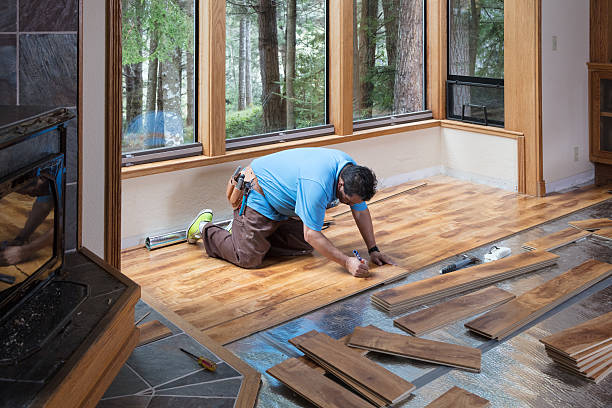
Hardwood Flooring Installation in Dallas requires accurate measurements, careful board placement, appropriate fastening, and attention to the subfloor. Dallas flooring professionals provide hardwood installation for residential and commercial properties, with local contractors offering different installation approaches based on the flooring product and project requirements.
Plan the Layout
The direction and pattern of the boards can influence how a room looks. Many homeowners prefer boards running toward a major entrance or along the longest wall, while other layouts may work better depending on the room. Discussing the layout before installation can help create a more balanced appearance.
Prepare Doorways and Trim
New flooring can change the finished floor height, which may affect doors, baseboards, transitions, and other trim. These details should be considered before installation begins. Proper preparation helps the new floor connect smoothly with adjacent rooms and surfaces.
Protect the Subfloor
A suitable subfloor provides a stable foundation for hardwood. Depending on the installation system, an underlayment or moisture-control layer may also be appropriate. The installer should follow the flooring manufacturer’s requirements rather than using a one-size-fits-all approach.
Keep Moisture Under Control
Moisture is an important consideration for wood flooring. Excess humidity, plumbing leaks, or moisture beneath the floor can affect boards over time. Addressing moisture concerns before installation can help protect the investment and improve long-term performance.
Consider Professional Flooring Services
Flooring Services can include more than new hardwood installation. Dallas flooring companies may also provide refinishing, repairs, sanding, replacement, and maintenance. Choosing a provider that can handle different flooring needs can be useful when a project involves both new installation and existing floor repairs.
Protect the New Floor
Once installation is complete, avoid dragging heavy furniture across the surface. Use appropriate furniture pads and lift large pieces whenever possible. Rugs or mats near exterior doors can also help reduce the amount of dirt and grit brought onto the floor.
Clean With Suitable Products
Hardwood flooring should be cleaned according to the manufacturer’s recommendations. Excess water and unsuitable cleaning chemicals can damage certain finishes. Regular dusting, sweeping, or vacuuming with an appropriate attachment can help prevent abrasive particles from scratching the surface.
Pay Attention to High-Traffic Areas
Entryways, hallways, kitchens, and living rooms often experience more wear than other areas. Mats, rugs, and furniture pads can provide additional protection. Addressing small scratches or finish wear early may also help prevent more noticeable deterioration.
Think About Long-Term Maintenance
Hardwood can remain attractive for many years with appropriate care. Depending on the finish and level of wear, professional maintenance may eventually include recoating, polishing, repair, or refinishing. Regular attention can help extend the useful life of the flooring.
Choose Experienced Installers
Installation quality can have a major effect on the final appearance and performance of hardwood floors. When comparing professionals, consider their experience, previous projects, installation methods, warranty terms, and customer feedback. A detailed discussion before work begins can also help establish realistic expectations.
Request a Detailed Estimate
A written estimate should explain the flooring material, preparation work, installation labor, trim or transition work, removal of old flooring, and cleanup when applicable. Comparing detailed estimates makes it easier to understand the actual project scope instead of focusing only on the initial price.
Give the Floor Time to Settle
After installation, follow the manufacturer’s recommendations regarding furniture placement, cleaning, rugs, and normal use. Some finishes may require additional curing time. Taking care during this period can help protect the new surface and reduce unnecessary marks.
Create a Lasting Interior Upgrade
Well-installed hardwood flooring can provide a warm and durable foundation for many interior styles. Careful planning, proper surface preparation, suitable materials, skilled installation, and regular maintenance can help homeowners enjoy their floors for years.
 Supply Base Solutions
  Raushan kumar
  anshu79