
Indian architecture has evolved into a powerful force on the global stage, blending cultural heritage with cutting-edge innovation to create spaces that are both functional and inspiring. Today, architects from India are contributing to projects across continents, demonstrating expertise in sustainable planning, technological integration, and human-centric design. Their ability to balance traditional values with contemporary solutions has earned international recognition. As cities continue to expand and environmental concerns grow, Indian architects are playing a significant role in shaping the future of modern global architecture.
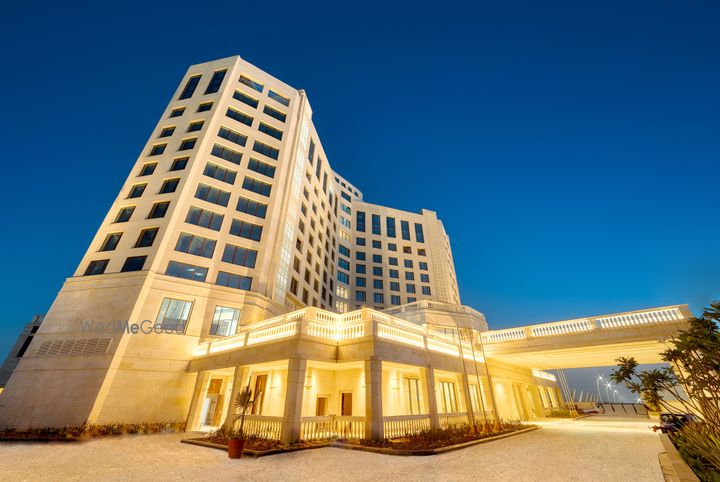
The Rise of Indian Architecture on the Global Stage
India has a long architectural legacy rooted in history, craftsmanship, and regional diversity. Over the decades, the profession has transformed significantly, embracing modern technologies, global design trends, and sustainable practices while preserving cultural identity.
Today, Indian architectural expertise extends beyond domestic projects into international developments across residential, commercial, institutional, healthcare, hospitality, and urban planning sectors. This growing global presence reflects both technical capability and creative excellence.
The increasing demand for innovative design solutions has positioned India as an influential contributor to contemporary architecture worldwide.
Blending Tradition with Modern Innovation
One of the defining strengths of Indian architecture is its ability to merge traditional design principles with modern functionality.
Historical architectural concepts such as climate-responsive planning, natural ventilation, courtyards, shaded spaces, and locally sourced materials continue to inspire contemporary projects. Rather than replicating traditional forms, architects reinterpret these principles using advanced engineering and modern construction techniques.
This thoughtful balance creates buildings that remain culturally relevant while meeting present-day performance standards.
Sustainability as a Design Priority
Environmental responsibility has become central to architectural practice worldwide, and Indian professionals have embraced sustainable design with remarkable commitment.
Many architects from India integrate environmentally conscious strategies throughout the design process. These include maximizing daylight, improving energy efficiency, reducing water consumption, incorporating renewable resources, and selecting sustainable building materials.
Climate-responsive planning also plays a significant role by adapting buildings to local environmental conditions, reducing reliance on artificial cooling and heating systems.
These sustainable solutions contribute not only to environmental conservation but also to healthier and more cost-efficient buildings.
Technology Driving Better Design
Modern architecture increasingly depends on advanced technology to improve project quality and efficiency.
Indian architectural practices actively use technologies such as:
Building Information Modeling (BIM)
BIM enables architects, engineers, and consultants to collaborate using intelligent digital models that improve coordination and reduce construction errors.
3D Visualization
Detailed visual presentations allow clients to understand design concepts before construction begins, enabling informed decision-making.
Digital Collaboration
Cloud-based project management platforms facilitate seamless communication between multidisciplinary teams located across different regions and countries.
Technology enhances both design precision and project execution, enabling architects to handle increasingly complex developments.
Human-Centered Design Philosophy
Successful architecture is ultimately about creating spaces that improve people’s lives. Modern Indian architects emphasize user experience throughout every stage of design.
Human-centered design considers factors such as:
- Comfort
- Accessibility
- Safety
- Flexibility
- Community interaction
- Well-being
Buildings designed with these priorities create environments that remain functional, welcoming, and adaptable throughout their lifespan.
Rather than focusing solely on visual appeal, architects seek to enhance everyday experiences for occupants and visitors alike.
Responding to Rapid Urbanization
Urban growth presents both opportunities and challenges for architects worldwide.
India’s rapidly expanding cities have provided valuable experience in designing high-density developments, mixed-use communities, transportation infrastructure, educational institutions, healthcare facilities, and commercial centers.
This practical expertise enables Indian architects to develop scalable solutions capable of addressing the complex demands of growing urban populations.
Their experience in balancing density, sustainability, and functionality has become increasingly valuable in international markets facing similar urban challenges.
Multidisciplinary Collaboration
Today’s architectural projects require expertise from numerous disciplines working together seamlessly.
Modern design practices integrate professionals from architecture, urban planning, structural engineering, landscape architecture, interior design, sustainability consulting, and project management.
This multidisciplinary approach improves coordination while ensuring every aspect of the project contributes to a unified design vision.
Collaborative workflows also minimize conflicts during construction and enhance long-term building performance.
Designing for Cultural Diversity
International projects often require architects to understand different cultural, environmental, and social contexts.
Indian architects have developed strong adaptability by working across regions with diverse climates, traditions, and user expectations.
This ability to respect local identity while introducing innovative design solutions makes them valuable contributors to global architectural practice.
Successful international architecture balances universal design principles with regional character, creating spaces that feel authentic and meaningful.
Commitment to Continuous Learning
Architecture is an evolving profession shaped by new technologies, environmental research, and changing societal needs.
Leading professionals continually invest in learning through research, professional development, and exposure to emerging global trends.
Many architects from India actively explore innovative construction techniques, smart building technologies, sustainable materials, and digital design tools to improve future projects.
Continuous learning enables architects to remain competitive while delivering increasingly sophisticated architectural solutions.
Creating Future-Ready Spaces
Modern buildings must remain adaptable to changing user expectations and technological advancements.
Future-ready architecture emphasizes:
Flexibility
Spaces should accommodate evolving functional requirements without requiring major structural modifications.
Smart Technologies
Digital infrastructure supports energy management, security, communication, and operational efficiency.
Environmental Resilience
Buildings are designed to withstand changing climate conditions while minimizing environmental impact.
Community Integration
Successful developments strengthen social interaction and contribute positively to surrounding neighborhoods.
These principles ensure buildings remain valuable assets for generations.
The Global Influence of Indian Design
Indian architecture continues to gain international recognition because it successfully combines creativity, technical expertise, sustainability, and cultural sensitivity.
Architectural professionals increasingly contribute to landmark projects worldwide by offering solutions that respond effectively to contemporary global challenges.
Their emphasis on innovation, collaboration, environmental responsibility, and user-focused design has expanded India’s influence within the international architectural community.
As global priorities continue to evolve, Indian architects remain well-positioned to shape the next generation of sustainable and meaningful built environments.
Conclusion
The growing global presence of Indian architecture reflects decades of innovation, technical excellence, and a deep understanding of sustainable design principles. By combining cultural heritage with advanced technologies and multidisciplinary collaboration, Indian professionals continue to redefine modern architecture across diverse sectors. Among the firms contributing to this legacy, CP Kukreja Architects has established a distinguished reputation since 1969 through its visionary approach to architecture and planning, creating iconic projects around the world while remaining committed to innovation, sustainability, and design excellence.
 peninsights
  Sigma Builders
  cforcecompany@gmail.com