

Moles are common skin growths that appear when pigment-producing cells (melanocytes) cluster together. While most moles are harmless, some may need to be removed for health reasons. Mole removal is a straightforward process, but determining whether a mole needs to be removed involves careful evaluation by a healthcare professional. Doctors look for signs that suggest the mole could be a potential risk for skin cancer or may cause other health issues. If you are concerned about any mole on your body, it is always wise to consult with a healthcare provider. For those living in or around Dubai, expert care for mole removal is available at various medical centers, providing peace of mind and professional advice. Mole Removal in Dubai is an accessible and effective option for those seeking to address mole concerns.
Key Factors That Influence Mole Removal
🔎 Appearance and Shape
One of the first things doctors examine is the appearance of the mole. Regular moles usually have a smooth, even shape with a single color. If a mole has an irregular shape, uneven edges, or multiple colors, it could be a sign that further examination is needed. Moles that change in shape over time are also a red flag.
📏 Size of the Mole
Moles that are larger than 6mm in diameter (about the size of a pencil eraser) may be more concerning. However, size alone isn’t enough to determine whether a mole needs to be removed. Doctors assess the size along with other factors like symmetry, texture, and color.
💉 Changes Over Time
Moles that change in color, texture, or size over weeks or months could indicate skin issues. A mole that starts bleeding, oozing, or crusting is also a sign to get it checked. This could be a warning sign of melanoma, a type of skin cancer. Monitoring changes in your moles is an important step in early detection.
🩺 Family History and Risk Factors
If you have a family history of skin cancer, you may be at a higher risk of developing abnormal moles. Additionally, having many moles, especially dysplastic moles (unusually shaped moles), or a previous diagnosis of skin cancer may increase the likelihood that a mole will need to be removed.
🕶 Sun Exposure
Excessive sun exposure is a key factor in the development of skin cancer, and moles that are located in areas often exposed to the sun may need extra attention. People who have had significant sunburns or frequent tanning bed use should be particularly cautious and have moles examined regularly.
🌞 Symptoms Associated with the Mole
While many moles are painless, any mole that causes discomfort, pain, or irritation should be examined. If the mole itches, hurts, or becomes inflamed, it could be indicative of a deeper issue that requires further investigation. These symptoms should not be ignored.
Diagnosis Methods for Mole Removal
Doctors typically begin by visually inspecting the mole. If the mole appears suspicious, they may recommend a biopsy. This involves removing a small sample of the mole tissue to be tested for cancerous cells. The biopsy helps doctors determine if the mole is benign or malignant.
When is Mole Removal Necessary?
Mole removal is recommended when a mole shows suspicious characteristics, such as changes in shape, size, color, or texture. In some cases, doctors might remove a mole as a precautionary measure to eliminate the risk of future complications, even if it’s not cancerous. For those who have a history of skin cancer, regular monitoring and potential mole removal may be necessary to ensure safety.
What Does the Mole Removal Process Involve?
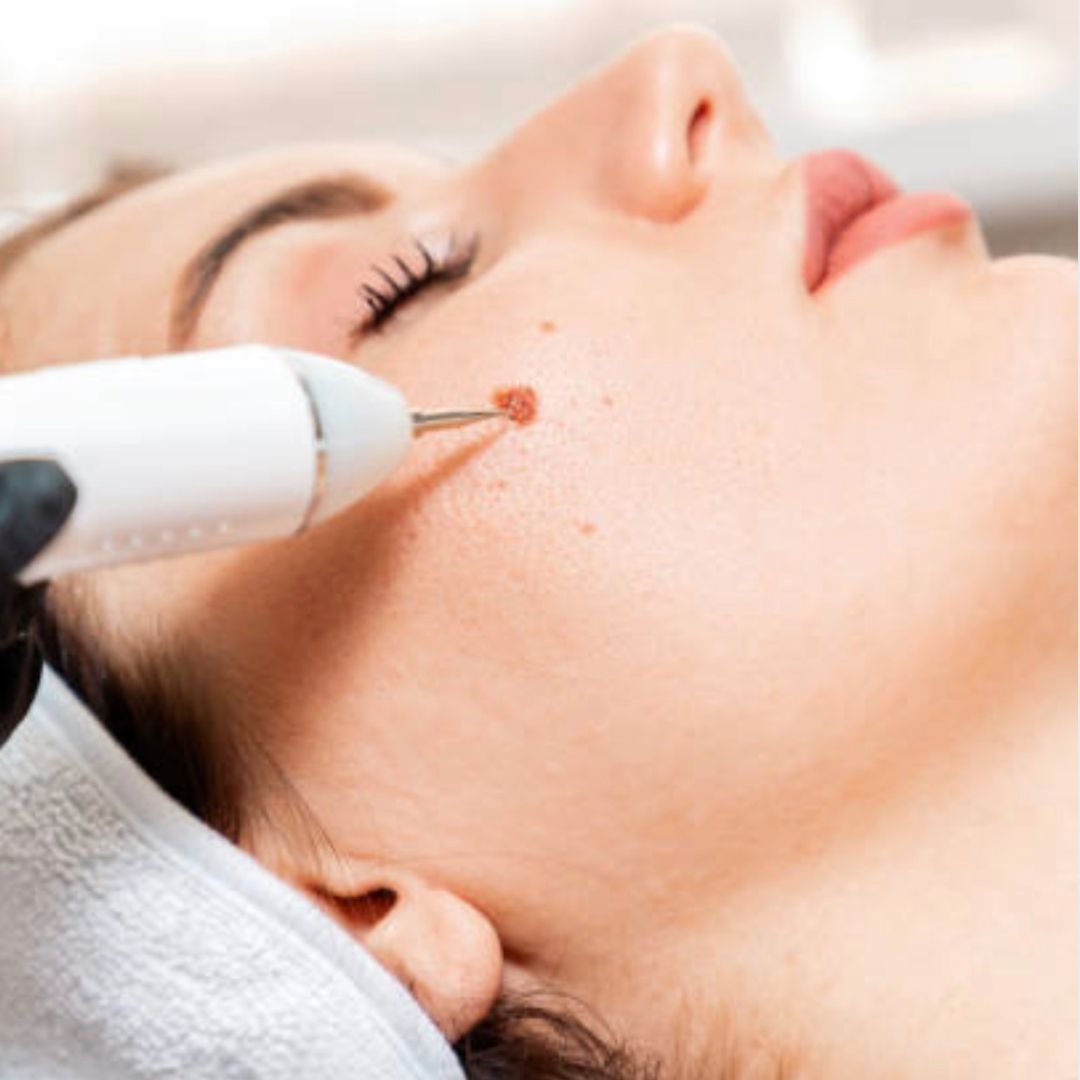
Removing a mole is a simple procedure performed under local anesthesia. The doctor will numb the area around the mole and use either a scalpel or a special tool to remove it. Depending on the size and depth of the mole, the doctor may also need to take a small amount of surrounding tissue for examination. Once removed, the wound is usually stitched up, and the sample is sent for lab testing.The procedure is quick and relatively painless, with most people able to return to normal activities after a short recovery period. Post-removal care typically involves keeping the area clean and monitoring it for any signs of infection or complications.
Preventative Measures and Regular Check-ups
To reduce the risk of developing abnormal moles or skin cancer, it’s important to take preventative measures. This includes protecting your skin from excessive sun exposure by wearing sunscreen, seeking shade, and wearing protective clothing. Regular skin check-ups with your doctor can help detect any changes in moles early, allowing for timely removal if necessary.
Conclusion
While moles are often harmless, it’s crucial to monitor them for changes that may signal a health issue. Doctors evaluate moles based on size, shape, color, and any changes over time. If a mole exhibits suspicious characteristics, they may recommend mole removal for further testing. For those looking for professional care, Mole Removal in Dubai offers a reliable option for addressing mole concerns with expert attention. Always consult with a healthcare provider if you notice any changes in your moles to ensure proper evaluation and care.
 halilhuseyincagatay3@gmail.com
  virginia Marijuana
  smilepadindia