
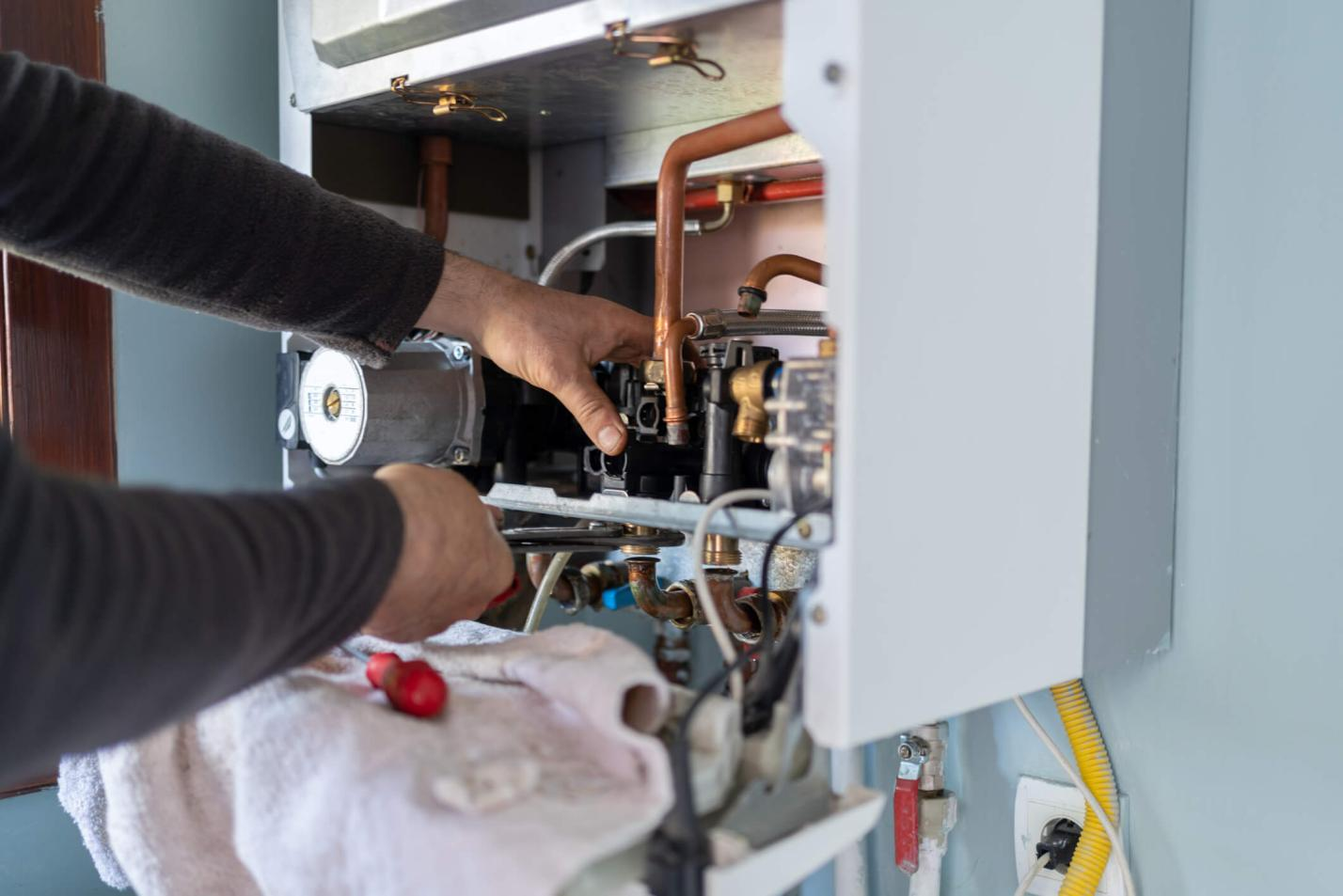
Few household problems are as frustrating as a hot water system that constantly breaks down. Whether it’s a cold shower on a winter morning, fluctuating water temperatures, or recurring leaks, repeated hot water issues can be inconvenient and expensive.
While some wear and tear is inevitable, many common problems can be avoided with proper maintenance and care. Taking proactive steps can significantly reduce the need for frequent Hot Water System Repairs, extend your system’s lifespan, and improve its overall efficiency.
In this guide, we’ll explore why hot water systems develop recurring faults, the most effective preventative maintenance strategies, and how Australian homeowners can keep their systems running reliably for years to come.
Why Do Hot Water Systems Require Frequent Repairs?
Hot water systems work hard every day. They heat, store, and deliver hot water for showers, dishwashing, laundry, and other household tasks.
Over time, various factors can contribute to breakdowns, including:
- Ageing components
- Sediment build-up
- Corrosion
- High water pressure
- Lack of maintenance
- Poor installation
- Heavy household usage
Many homeowners only think about their hot water system when something goes wrong. However, regular maintenance is often the key to avoiding costly Hot Water System Repairs.
Understand the Lifespan of Your Hot Water System
Knowing the expected lifespan of your system can help you plan for maintenance and eventual replacement.
Typical lifespans include:
- Electric storage systems: 8–15 years
- Gas storage systems: 8–12 years
- Continuous flow systems: 15–20 years
- Heat pump systems: 10–15 years
- Solar hot water systems: 15–20 years
As systems age, components naturally wear out and become more prone to failure. If your unit is approaching the end of its expected lifespan, preventative maintenance becomes even more important.
Schedule Regular Professional Servicing
One of the best ways to prevent frequent Hot Water System Repairs is to arrange regular servicing by a licensed plumber.
Routine servicing allows professionals to:
- Identify minor issues early
- Test safety valves
- Inspect heating components
- Check for leaks
- Assess system performance
- Remove sediment build-up
Many small faults can be repaired before they develop into expensive breakdowns.
As a general guide, having your hot water system inspected every few years can help maintain reliability and efficiency.
Flush Your Storage Tank Periodically
Sediment accumulation is one of the leading causes of hot water system problems in Australia.
Minerals naturally found in water settle at the bottom of storage tanks over time.
This build-up can:
- Reduce heating efficiency
- Cause strange noises
- Increase energy consumption
- Damage heating elements
- Reduce hot water capacity
Regular tank flushing helps remove sediment and minimise internal wear.
By reducing sediment accumulation, homeowners can significantly lower the likelihood of needing major Hot Water System Repairs.
Replace the Sacrificial Anode When Required
Storage hot water systems contain a sacrificial anode rod designed to protect the tank from corrosion.
The anode attracts corrosive elements in the water, preventing the tank lining from deteriorating.
However, the anode itself gradually wears out.
If it isn’t replaced when necessary:
- Internal corrosion may develop
- Tank lifespan may shorten
- Leaks may occur
- System failure becomes more likely
Replacing the anode rod at recommended intervals can help extend the life of the tank and reduce future repair costs.
Monitor Water Pressure
Excessive water pressure places unnecessary strain on your hot water system.
High pressure can lead to:
- Leaking valves
- Damaged fittings
- Increased wear on components
- Premature system failure
Warning signs of excessive pressure include:
- Noisy pipes
- Leaking pressure relief valves
- Water hammer sounds
A plumber can test your water pressure and install pressure-limiting devices if required.
Maintaining correct pressure levels helps prevent unnecessary Hot Water System Repairs.
Check for Leaks Regularly
Small leaks often develop gradually and may go unnoticed for weeks or months.
Even minor leaks can lead to:
- Water wastage
- Corrosion
- Structural damage
- Higher water bills
Periodically inspect:
- Pipe connections
- Valves
- Tank surfaces
- Drain fittings
If you notice moisture, rust, or water pooling around the system, arrange an inspection promptly.
Addressing leaks early is far more affordable than dealing with extensive repairs later.
Pay Attention to Warning Signs
Many hot water system failures provide warning signs before a complete breakdown occurs.
Common indicators include:
Unusual Noises
Rumbling, popping, or banging sounds often indicate sediment build-up inside the tank.
Inconsistent Water Temperatures
Fluctuating temperatures may suggest thermostat problems or heating element issues.
Rust-Coloured Water
Discoloured water can indicate internal corrosion.
Reduced Hot Water Supply
A declining hot water supply often signals component wear or sediment accumulation.
Ignoring these warning signs can lead to more extensive Hot Water System Repairs.
Insulate Pipes and the System
Proper insulation improves efficiency and reduces stress on the system.
Benefits include:
- Reduced heat loss
- Faster hot water delivery
- Lower energy consumption
- Improved system performance
Insulating exposed pipes is particularly beneficial in cooler Australian regions where temperature fluctuations can affect system efficiency.
Avoid Overworking Your System
Hot water systems are designed to meet specific household demands.
If your household has grown or water usage has increased significantly, the system may struggle to keep up.
Common causes of excessive demand include:
- Additional family members
- New bathrooms
- Increased laundry loads
- Multiple simultaneous showers
An undersized system works harder and experiences greater wear.
If demand consistently exceeds capacity, upgrading to a larger system may reduce the frequency of Hot Water System Repairs.
Protect Your System from Hard Water
Some areas of Australia experience hard water, which contains higher concentrations of minerals such as calcium and magnesium.
Hard water contributes to:
- Sediment build-up
- Scale formation
- Reduced heating efficiency
- Shortened component lifespan
Installing a suitable water treatment system may help minimise these effects in affected regions.
Test the Temperature and Pressure Relief Valve
The temperature and pressure relief (TPR) valve is an important safety feature that prevents excessive pressure build-up inside the tank.
A faulty valve can lead to:
- Water leaks
- Reduced efficiency
- Safety risks
Periodic testing ensures the valve operates correctly and helps identify potential problems before they become serious.
Always follow manufacturer guidelines or consult a professional plumber before performing maintenance.
Ensure Proper Installation
Many recurring hot water problems can be traced back to poor installation practices.
Incorrect installation may result in:
- Leaks
- Pressure problems
- Reduced efficiency
- Premature component failure
When installing a new system, always use a qualified and licensed plumber to ensure compliance with Australian standards.
Proper installation can significantly reduce future Hot Water System Repairs.
Upgrade Ageing Components
In some cases, replacing ageing components before they fail can prevent larger problems.
Components that may require replacement over time include:
- Thermostats
- Heating elements
- Pressure valves
- Anode rods
- Pipe fittings
Proactive replacement can often be more cost-effective than waiting for a complete breakdown.
Keep Records of Maintenance
Maintaining a service history helps homeowners track:
- Previous repairs
- Replacement parts
- Service intervals
- Warranty information
Good records make it easier to identify recurring issues and plan future maintenance.
Know When Replacement Is the Better Option
Even with excellent maintenance, no hot water system lasts forever.
If your system is:
- Frequently breaking down
- More than 10–15 years old
- Leaking from the tank
- Becoming increasingly inefficient
Replacement may provide better long-term value than ongoing Hot Water System Repairs.
A modern system can offer improved reliability, greater energy efficiency, and lower operating costs.
Final Thoughts
Preventing frequent Hot Water System Repairs starts with proactive maintenance and early intervention. Regular servicing, sediment removal, leak inspections, pressure management, and timely component replacement can significantly extend the life of your hot water system.
While no system is completely immune to wear and tear, taking preventative measures can reduce unexpected breakdowns, lower repair costs, and ensure your household enjoys a reliable supply of hot water year-round.
By investing a little time in maintenance today, homeowners can avoid major disruptions and costly repairs in the future.
Frequently Asked Questions
How often should I service my hot water system?
Most hot water systems should be professionally inspected every few years, depending on the manufacturer’s recommendations and local water conditions.
What causes frequent hot water system repairs?
Common causes include sediment build-up, corrosion, faulty components, excessive water pressure, ageing systems, and lack of maintenance.
Can sediment build-up damage my hot water system?
Yes. Sediment can reduce efficiency, damage heating elements, increase energy costs, and shorten the lifespan of the system.
How can I tell if my hot water system needs maintenance?
Signs include unusual noises, inconsistent water temperatures, reduced hot water supply, leaks, rusty water, and higher energy bills.
Does hard water affect hot water systems?
Yes. Hard water can accelerate mineral build-up and scaling inside the tank, increasing the likelihood of repairs.
Can regular servicing reduce Hot Water System Repairs?
Absolutely. Routine inspections help identify minor problems before they become major and expensive repairs.
How long should a hot water system last?
Depending on the type of system, most hot water units last between 8 and 20 years with proper maintenance.
When should I replace instead of repairing my hot water system?
Replacement is often recommended if the system is leaking from the tank, nearing the end of its lifespan, experiencing frequent breakdowns, or becoming inefficient.
What is the most common cause of hot water system failure?
Sediment build-up, corrosion, and ageing components are among the most common reasons homeowners require Hot Water System Repairs.
Can a licensed plumber help prevent future repairs?
Yes. Professional servicing, inspections, and preventative maintenance can significantly reduce the risk of future breakdowns and extend the lifespan of your hot water system.
 aattackonthetitans
  William Kevin
  technological.sturgeon.ojcm@hidingpost.com