

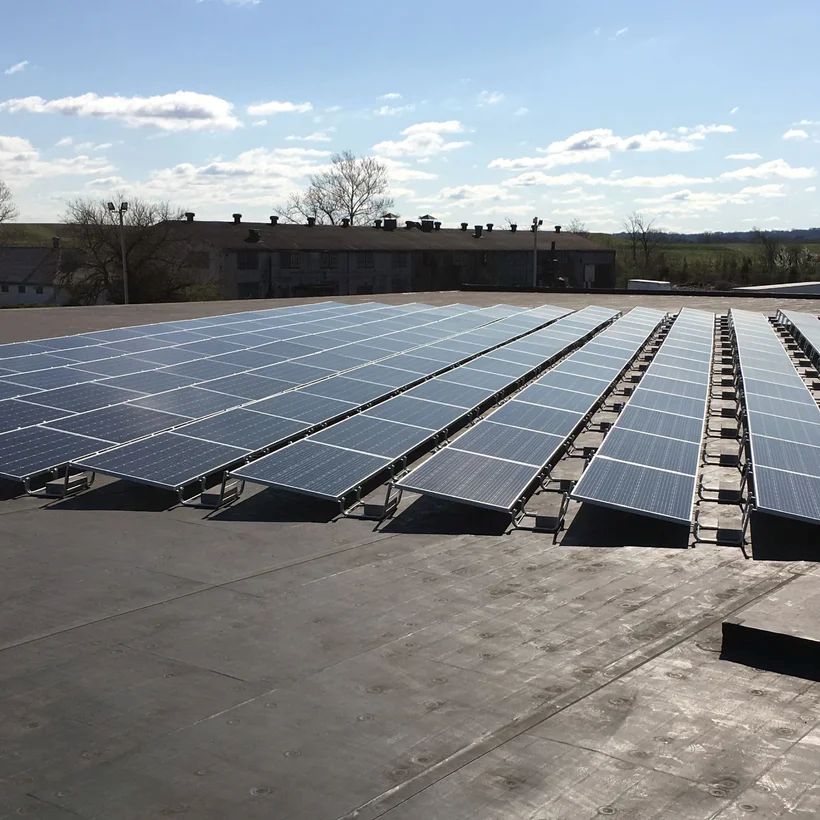
A commercial solar project should answer a business question, not just an installation question. How much electricity does the company need, at which hours, and how should its energy system respond to that demand? A solar installation Illinois assessment can help answer those questions before equipment is selected. It can examine load behavior, demand peaks, solar production, equipment limits, operating schedules, and future electrical needs. The result is a plan based on how the business actually uses power. This gives the owner useful information before making a major energy decision. It also helps the solar team create a system that fits the building and its daily work.
Your Annual Usage Can Hide the Real Problem
Two businesses can use the same amount of electricity each year and still need very different solar designs. The reason is simple: their power use may happen at different times. Looking only at the yearly total can hide important details about the building’s daily demand. A business may use a large amount of power during a few hours and much less during the rest of the day.
A warehouse may have a large daytime load from lighting, conveyors, refrigeration, or charging equipment. A restaurant may have strong demand at other hours. A manufacturing site can have short periods of very high electrical demand caused by large machines. An assessment studies this load pattern instead of relying only on annual kilowatt hour totals. This can show the hours that matter most to the business and help guide the system design.
Peak Demand Deserves Its Own Review
Energy consumption and peak demand are not the same thing. A business can use a moderate amount of electricity across a month but still reach a high demand level during a short period. This difference can matter for commercial electricity planning and utility billing.
An assessment can examine the timing of these peaks and show how much solar generation may overlap with them. This review can help explain how the planned system may interact with the building’s highest power needs. The business can then make decisions using actual load information instead of a simple estimate based on monthly energy use.
The Load Profile Can Reveal Hidden Opportunities
A detailed assessment can show more than how much power a building uses. It can reveal which equipment creates the largest loads and how those loads behave during normal operations. This gives the design team a better picture of the building’s electrical needs.
A facility may have refrigeration that runs for long periods, compressors that cycle, or production equipment that creates short high demand events. These details can influence the role of solar generation and storage. This is useful because the strongest solar plan may come from understanding the load first, rather than simply adding more generating capacity.
Solar Production Should Be Tested Against Real Operations
A system can produce a strong amount of electricity and still fail to match a business’s most important operating periods. Solar output changes during the day, while business demand may rise and fall based on work schedules and equipment use.
An assessment can compare expected production by time of day with the facility’s load profile. This helps estimate the share of solar power that may be used directly by the building. It also helps identify periods of excess generation or periods of high demand after solar output falls. Those findings can guide decisions about system size, storage, controls, or other electrical measures.
Equipment Choices Affect the Whole Energy Plan
Solar modules are only one part of a commercial power system. Inverters, switchgear, monitoring equipment, meters, transformers, and other electrical components can affect how the project operates. Each part needs to work with the rest of the system.
An assessment can review the existing electrical architecture before the new system is designed. This can identify equipment that may limit the project or require a different connection method. The review also creates a clearer path for future maintenance and equipment replacement. A business can plan around the useful life of major components instead of treating installation as a one time decision.
Test the System Against Future Business Changes
Business energy needs rarely stay fixed for years. New machinery, longer operating hours, building expansion, electric vehicle charging, refrigeration changes, or increased production can raise demand. A system planned only for today’s needs may not provide the same fit after a major business change.
A strong assessment can create several future load scenarios. For example, the design team can compare today’s demand with a projected load after a facility expansion. This approach helps prevent a system from being designed only for current conditions. It gives the business a clearer view of how its energy system may perform after major operational changes.
Final Touch:
The most useful assessment gives a business facts it can use before approving a project. It should explain expected solar production, load matching, electrical requirements, equipment needs, future capacity, and possible system limitations. Clear information can make a complex solar project easier for a business owner to understand. That information makes vendor proposals easier to compare. A business can ask why a certain system size was selected, how the design fits its load, and what changes may be needed later. For companies considering solar panels Illinois, a detailed solar installation assessment can turn a basic panel project into a properly planned commercial energy system.
 Dani Velasco
 jack.smith02431
 Leo Jackson