
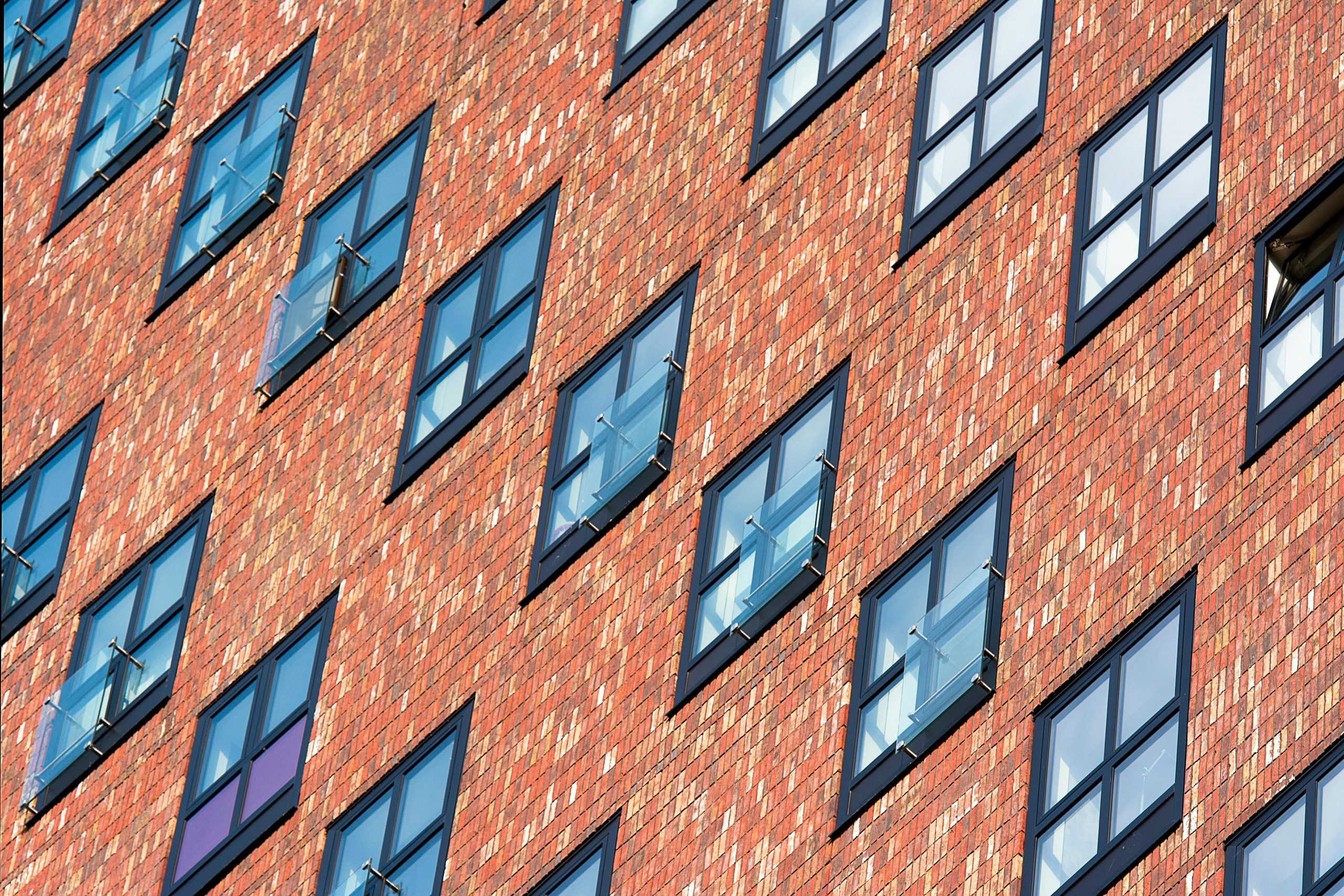
Brick and stone have remained popular building materials because they offer more than a finished look. They bring structure, texture, durability, and a sense of permanence to homes, commercial buildings, and outdoor spaces. For property owners planning upgrades, masonry can be one of the most practical ways to improve both appearance and long-term performance.
Why Masonry Still Matters
Masonry is valued because it balances strength with design flexibility. A brick wall, stone veneer, site wall, or entry feature can serve a structural purpose while also improving curb appeal. Unlike surface-level upgrades that may need frequent replacement, properly installed masonry is built to last for decades with routine maintenance.
For businesses, masonry can help create a polished exterior that feels established and professional. For homeowners, it can define outdoor living areas, protect landscapes, and add character to otherwise plain surfaces.
Common Uses for Brick and Stone Work
Brick and stone masonry can be used in many different ways depending on the property type, budget, and design goals.
Popular applications include:
- Exterior brick walls and accents
- Stone veneer for facades and columns
- Retaining walls and site walls
- Outdoor fireplaces and fire pits
- Garden borders and walkways
- Entry monuments and decorative pillars
- Commercial storefront details
- Repair and restoration of older masonry
The best projects are planned around both function and appearance. A retaining wall, for example, should manage soil pressure and drainage, but it should also match the surrounding landscape and building style.
Brick vs. Stone: Choosing the Right Material
Brick and stone each bring different strengths to a project. Brick offers a clean, consistent appearance and works well for traditional walls, borders, and architectural details. It is especially useful when a project calls for symmetry, pattern, or a classic finish.
Stone has a more natural and varied appearance. It can make an entryway, fireplace, or building exterior feel more custom. Because stone pieces vary in shape, color, and texture, installation often requires careful planning and skilled workmanship.
Many property owners combine both materials. Brick can provide structure and order, while stone adds contrast and visual interest.
Why Skilled Installation Is Essential
Masonry work may look simple from the outside, but lasting results depend on preparation, alignment, bonding, mortar quality, and drainage. Small mistakes during installation can lead to cracking, shifting, moisture damage, or uneven surfaces over time.
Professional masonry contractors understand how to evaluate the site, prepare the base, select appropriate materials, and install each piece correctly. This matters even more for larger commercial, multifamily, and structural projects where safety, scheduling, and code compliance are important.
For property owners researching local options, brick and stone masonry in Stockton can provide helpful context for the types of services commonly used in residential, commercial, and industrial masonry projects.
Maintenance That Protects Your Investment
Masonry is durable, but it should not be ignored after installation. Basic maintenance helps preserve its strength and appearance.
Property owners should periodically check for:
- Cracked or missing mortar
- Loose bricks or stones
- Staining or moisture marks
- Drainage problems near walls
- Vegetation growing into joints
- Surface movement or settling
Minor issues are usually easier to repair when caught early. Repointing mortar joints, cleaning surfaces properly, and correcting water flow can help prevent larger repairs later.
Masonry for Commercial Properties
Commercial masonry must often meet higher demands than small decorative projects. Walls, storefronts, site boundaries, and structural block systems need to support daily use, weather exposure, and project timelines.
For developers, general contractors, and business owners, dependable masonry work can reduce delays and help maintain consistent quality across the project. Clean workmanship also matters because masonry is often highly visible. A poorly finished wall or uneven stone detail can affect the entire impression of a building.
Masonry for Homes and Outdoor Living
Residential masonry can make a home feel more finished and functional. A stone patio wall, brick walkway, or custom fireplace can turn unused outdoor space into an inviting extension of the home.
Homeowners often choose masonry for:
Curb Appeal
Brick and stone accents can make entryways, porches, and facades feel more refined.
Outdoor Functionality
Fire pits, seating walls, and patios create practical gathering spaces.
Landscape Control
Retaining walls and borders help manage slopes, soil, and garden areas.
Long-Term Value
Durable masonry features can remain attractive and useful for many years when properly installed.
Planning a Successful Project
Before starting a masonry project, it helps to define the purpose clearly. Is the goal structural support, visual improvement, outdoor living, repair, or all of the above? Once the goal is clear, material selection and design become easier.
A strong planning process should include:
- Reviewing the site conditions
- Choosing materials that fit the property style
- Considering drainage and soil movement
- Setting a realistic budget
- Working with qualified masonry professionals
- Planning for long-term maintenance
Good masonry is not just about stacking materials. It is about building something that fits the property, performs reliably, and looks intentional.
Conclusion
Brick and stone masonry remains one of the most reliable ways to improve a property’s appearance, function, and durability. Whether used for commercial walls, home exteriors, retaining walls, or custom outdoor features, masonry offers a combination of strength and design that few materials can match.
With the right planning and skilled installation, brick and stone features can become lasting assets that support both everyday use and long-term property value.
 Trap Star
  Hitech tech
  saadurrehman