
Feeling steady while walking, turning, standing, or changing direction can make everyday life more comfortable. Balance is something many people take for granted until they begin to feel unsteady or notice that certain activities have become harder.
Balance difficulties can happen for different reasons. Changes in strength, mobility, coordination, body awareness, or movement habits may all affect how confidently someone moves through daily routines. For some people, these concerns become noticeable after an injury or a period of reduced activity. Others may experience changes gradually.
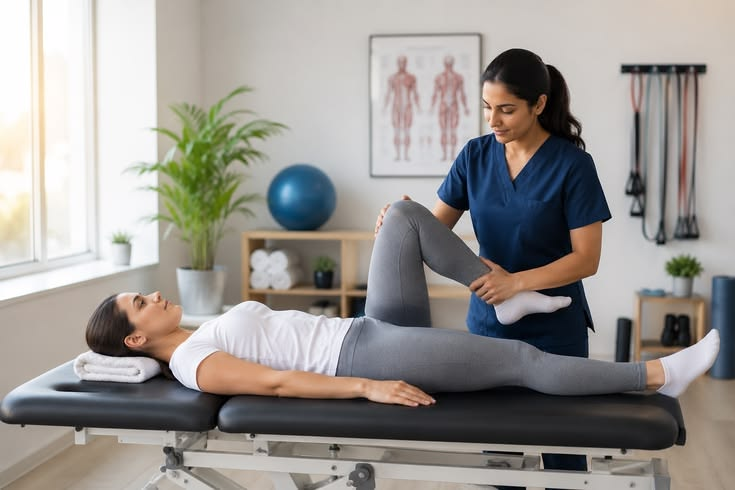
At FYZICAL Therapy & Balance Centers – Johns Creek, balance-focused rehabilitation can be part of a personalized approach to improving movement. Balance Therapy Johns Creek GA can help individuals work on stability, coordination, strength, and functional movement according to their specific needs.
Why Balance Matters During Everyday Movement
Balance is involved in much more than standing still. It plays a role whenever the body moves from one position to another or responds to changes in the environment.
Walking across a room, stepping over an object, getting out of bed, using stairs, or turning around all require the body to maintain control.
When balance feels less reliable, people may begin changing how they move. They might walk more slowly, avoid uneven surfaces, hold onto furniture, or become hesitant about activities they previously enjoyed.
These changes can affect daily routines and overall activity levels. A person who feels uncertain while moving may naturally become less active, which can contribute to further weakness and reduced confidence.
Physical therapy can address these concerns by examining movement and identifying areas that may benefit from targeted rehabilitation.
How Balance Therapy Johns Creek GA Can Support Stability
Balance training is not simply about standing on one foot. Effective rehabilitation can involve several physical skills that work together to support stable movement.
A therapist may consider strength, flexibility, coordination, posture, mobility, and the ability to respond to movement changes.
At FYZICAL Therapy & Balance Centers – Johns Creek, exercises can be selected according to the individual’s abilities and goals. The focus may be on making everyday movements more controlled and manageable.
A balance-focused program may include:
-
Exercises that challenge stability in a controlled setting.
-
Strengthening activities for muscles involved in walking and standing.
-
Movement drills that improve coordination and body control.
-
Functional activities related to everyday routines.
-
Gradual progression as balance and physical confidence improve.
The appropriate exercises depend on the individual’s condition and physical abilities. Professional guidance can help ensure that activities are suitable for the person’s current level.
Understanding What Can Affect Balance
Balance depends on several systems working together. The body needs information from the eyes, inner ear, muscles, joints, and nervous system to understand its position and respond to movement.
When one or more of these systems are affected, a person may notice changes in stability.
Muscle weakness can make it harder to control the body during movement. Limited joint mobility may affect walking mechanics. Changes in sensation can make it more difficult to understand where the feet or body are positioned.
Vestibular concerns can also influence balance and spatial awareness. This may sometimes be associated with sensations such as dizziness or feeling unsteady.
Because there can be different contributing factors, a personalized evaluation can be useful when balance concerns persist or interfere with normal activities.
Building Lower-Body Strength for Better Control
Strong leg muscles support many movements that require balance. Walking, standing, stepping, and climbing stairs all depend on lower-body strength.
When the legs become weaker, maintaining control can become more challenging. A person may feel less stable when standing up from a chair or changing direction while walking.
Physical therapy can include exercises designed to strengthen muscles that support functional movement. These exercises can be adjusted to match an individual’s current abilities.
For someone who has become less active, rehabilitation may begin with basic movements and gradually progress. Someone with higher physical capacity may work on more challenging functional activities.
The purpose is not simply to make muscles stronger. It is to help strength translate into useful movement.
Improving Confidence With Everyday Activities
Physical balance and confidence often influence one another. When someone feels uncertain about their stability, they may become more cautious.
That caution can be helpful in certain situations, but avoiding movement altogether can make daily activity more difficult over time.
A structured rehabilitation program can provide a controlled environment for practicing movement. As individuals become more comfortable with specific activities, they can gradually work toward more challenging tasks.
For example, therapy may involve practicing controlled weight shifts, changes in direction, stepping patterns, or movements that resemble daily activities.
The exercises can be adjusted as the person progresses, keeping the challenge appropriate rather than overwhelming.
Balance Training Can Be Connected to Real-Life Goals
Rehabilitation becomes more practical when it relates to the activities a person wants to perform.
Someone may want to walk through a local park, move around the house without hesitation, use stairs more comfortably, or participate in social activities.
These goals can help shape the direction of therapy.
Instead of focusing only on isolated exercises, a therapist can incorporate functional movements that relate to the person’s routine. This can make the purpose of each activity easier to understand.
At FYZICAL Therapy & Balance Centers – Johns Creek, a personalized approach can help connect balance training with meaningful daily movement goals.
Supporting Safer Movement at Home
Home is where many everyday movements take place, so balance concerns can become especially noticeable there.
Getting up from a chair, walking between rooms, reaching for items, stepping into a shower, or moving around furniture can all require stability and coordination.
Making movement more controlled can be an important part of maintaining independence.
A physical therapist may also provide guidance about exercises or movement strategies that can be practiced outside therapy sessions when appropriate.
The goal is not to make every activity difficult. Instead, the focus is on helping individuals understand their movement abilities and work on areas that need additional support.
When Dizziness and Balance Concerns Occur Together
Some people experience dizziness or a sensation of unsteadiness along with balance difficulties. These symptoms can have different causes, so professional assessment may be appropriate when they continue or interfere with daily activities.
Vestibular rehabilitation is one area of physical therapy that may be used for certain balance-related conditions. It can involve exercises designed around specific movement and balance needs.
Not every person with dizziness requires the same type of treatment. The appropriate approach depends on the underlying issue and the individual’s symptoms.
If dizziness is sudden, severe, or accompanied by other concerning symptoms, medical evaluation may be necessary rather than relying only on exercise-based rehabilitation.
Creating a Gradual Rehabilitation Plan
Balance exercises can feel challenging because they require coordination and body control. For that reason, progression is important.
A rehabilitation plan can begin with activities that match the person’s current abilities. As control improves, exercises may become more complex or involve different movement patterns.
This gradual approach can help individuals understand their progress while avoiding unnecessary difficulty.
Consistency can also matter. Following a therapist’s recommendations and communicating about changes in symptoms can help keep the rehabilitation plan appropriate.
Every person progresses differently, so the timeline and exercises should be based on individual needs rather than a fixed schedule.
Staying Active While Working on Balance
Improving balance does not mean avoiding movement. In many cases, appropriate physical activity can be an important part of maintaining strength and function.
The type and amount of activity should match the person’s abilities and health needs.
Walking, strengthening exercises, mobility activities, and other forms of movement may be incorporated when appropriate.
The important part is understanding which activities are suitable and how they can fit into the person’s routine.
A physical therapist can help individuals understand how movement and rehabilitation can work together while considering current limitations.
Why Individual Goals Matter in Balance Rehabilitation
Two people can have similar balance concerns but completely different daily needs.
One person may want to improve confidence while walking outdoors. Another may want to move around the house more comfortably. Someone else may want to return to recreational exercise.
These differences matter because rehabilitation should relate to the individual’s functional goals.
At FYZICAL Therapy & Balance Centers – Johns Creek, therapy can be adapted around personal movement needs rather than relying on one identical routine for everyone.
A goal-based approach can also make progress easier to recognize. Improvements may include standing more comfortably, walking with better control, turning more confidently, or completing daily tasks with less hesitation.
Making Balance Part of Long-Term Wellness
Balance is not only something to address when a problem appears. Maintaining strength, mobility, coordination, and physical activity can support functional movement over time.
As people move through different stages of life, their physical needs can change. Continuing to pay attention to movement quality can help identify areas that may need additional support.
Regular activity, appropriate strengthening, mobility work, and professional guidance when needed can all contribute to maintaining physical function.
The goal is not perfection. It is creating practical habits that support comfortable and controlled movement.
Getting Started With Balance-Focused Physical Therapy
If balance concerns are affecting everyday activities, professional guidance can provide a structured starting point.
An evaluation can help identify movement limitations and determine which areas may need attention. From there, a therapist can develop an appropriate plan based on the person’s abilities and goals.
For individuals searching for Balance Therapy Johns Creek GA, it can be helpful to consider how the therapy approach connects with real-life movement needs.
At FYZICAL Therapy & Balance Centers – Johns Creek, balance-focused care can be incorporated into an individualized rehabilitation plan designed around functional movement, stability, and personal goals.
Conclusion
Balance plays an important role in everyday independence and comfortable movement. When stability becomes challenging, activities that once felt simple may require more attention and caution.
Physical therapy can provide structured support for improving strength, coordination, mobility, and balance through exercises that match individual needs.
Balance Therapy Johns Creek GA can be a useful option for people looking for professional support with stability and functional movement concerns. A personalized approach can help connect rehabilitation exercises with the activities that matter most in everyday life.
At FYZICAL Therapy & Balance Centers – Johns Creek, the focus can remain on practical movement goals and gradual progress. With appropriate guidance and consistent participation, individuals can work toward greater control and confidence in their daily movement.
 James Walker
  Aadam james
  Willian Cooper