
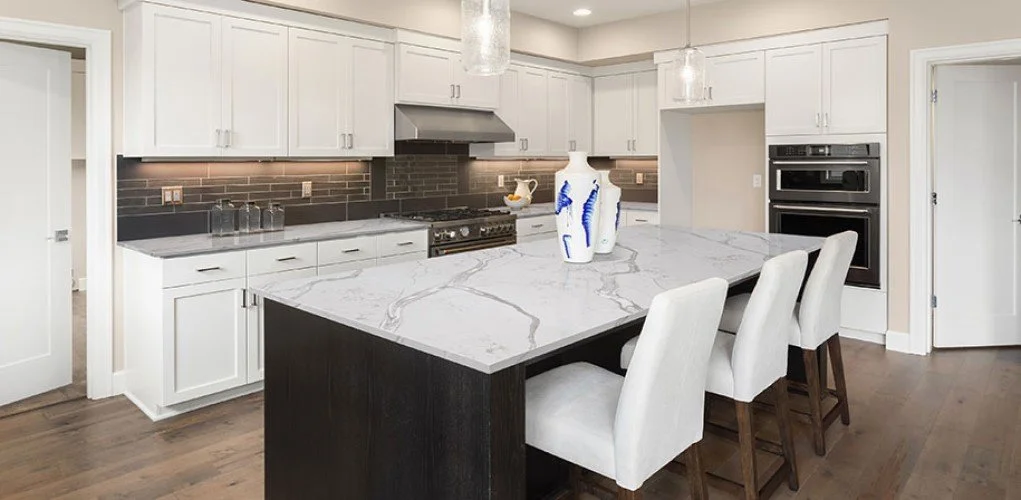
So, you’re thinking about redoing your kitchen or maybe building a new home? One of the trickiest decisions you’ll face is picking the right countertop. It’s not just about looks—though that matters too. You need something that can keep up with real life, won’t fall apart after a few years, and actually makes sense for your budget.
That’s where engineered stone comes into play. More and more people are going this route, and honestly? It’s easy to see why once you know what you’re getting.
If you live in Sterling and you’re ready to give your kitchen a facelift, getting the scoop on engineered stone might just help you nail this decision.
What Exactly Is Engineered Stone?
Alright, let’s break it down without getting too technical. Engineered stone is basically a mix of real stone bits—usually quartz—combined with resins and some color additives. Picture it like this: roughly 90-95% is actual crushed stone, and the rest is special resins that bind it all together.
The whole thing gets made in a factory. They mix everything up, pour it into big molds, then squeeze it under crazy amounts of pressure. What comes out is this solid, gorgeous surface that looks pretty much like natural stone but with a few extra perks.
Here’s the main difference between this and something like granite or marble. Natural stone has been sitting underground for millions of years, which means every piece is different—sometimes wildly so. With engineered stone countertops in Sterling, you get way more control. What you see is what you get, no surprises.
These Things Are Tough as Nails
Let me tell you, premium engineered stone countertops can take a beating. If you’ve got a busy household with kids, pets, or just a lot of cooking action, these surfaces won’t quit on you.
Scratches? Pretty rare. You can slide your cutting board around, move pots and pans—all the normal kitchen chaos—and your counters will look fine. Sure, you should still use a cutting board (mostly to save your knives), but the surface itself is incredibly resilient.
And chips or cracks? Not really an issue. Drop a heavy can or accidentally bang a pot down too hard, and your countertop will probably shrug it off. That kind of toughness means you’re not replacing these anytime soon. We’re talking decades here, not just a handful of years.
Cleaning Is Almost Too Easy
Here’s something that Sterling homeowners really love: engineered kitchen countertops are ridiculously simple to maintain.
You know how granite needs to be sealed every year? Yeah, forget about that. Engineered stone doesn’t have those tiny pores that soak up liquids, so sealing isn’t even on the radar. That’s one less thing cluttering up your weekend to-do list.
For everyday cleaning, it’s seriously just soap and water. Grab a soft cloth, add a little dish soap, wipe it down. Done. No fancy cleaners required, no complicated steps to remember.
Stains basically don’t happen either. Coffee spill? Red wine mishap? Olive oil puddle? Just clean it up when you have a sec. The surface won’t absorb any of it, so there’s no panic about permanent damage.
Design Options Galore
This is where engineered stone really gets fun. Because it’s manufactured, the variety of colors and patterns is kind of insane.
Want that classy white marble vibe but without all the headaches marble brings? Done. Into dramatic black with cool veining running through it? You can find that. Maybe you’re feeling something softer like gray or warmer like beige. Honestly, the choices just keep going.
The Esos Engineered Stone Countertop Collection has tons of different styles that work with pretty much any kitchen look you can imagine. Modern minimalist? Traditional cozy? Rustic farmhouse? Whatever your vibe, there’s an option that’ll click.
Another bonus—you know exactly what you’re getting. Pick your slab, and that’s precisely how it’ll look when it’s installed in your kitchen. No crossing your fingers and hoping it turns out okay.
Healthier Kitchen Surfaces
Let’s talk about something that doesn’t always come up but should: cleanliness. Your kitchen is where you’re making meals for your family, so having truly clean surfaces matters more than people think.
Engineered stone countertops in Sterling have what’s called a non-porous surface. Basically, there aren’t any microscopic holes where gross stuff can hide.
Why’s that important? Well, bacteria and mold need moisture to grow. Since these countertops don’t absorb anything, there’s literally nowhere for germs to set up camp and multiply.
This makes them super hygienic for food prep. Rolling out pizza dough, prepping chicken, chopping vegetables—whatever you’re making, you can feel good knowing your surface is actually clean after you wipe it down.
For anyone with little kids running around or if you’re just particular about kitchen hygiene, this peace of mind is worth a lot.
Actually Makes Financial Sense
Let’s get real about money for a minute. Premium engineered stone countertops aren’t the cheapest option out there, but they’re also not going to destroy your budget.
Price-wise, they’re pretty comparable to good granite and usually less than fancy marble or other exotic stones. But here’s the thing—the real value shows up over time, not just at checkout.
Think about it. They last forever, and they need basically zero maintenance. You’re not buying sealing products every year. You’re not calling someone in to fix stains or repair damage. You’re not replacing them in ten years because they look beat up.
Plus, when you eventually sell your house? A nice updated kitchen with quality counters is a huge selling point. Buyers eat that stuff up—literally and figuratively.
Handles Heat Pretty Well
Engineered kitchen countertops can deal with everyday cooking heat without breaking a sweat. Set down a warm casserole dish or your coffee pot, and everything’s fine.
That said, you still want to grab a trivet for anything super hot straight from the oven or stovetop. The surface can handle heat, but extreme temperatures over and over might eventually cause issues. Trivets take two seconds to use, so why risk it?
The stain resistance is clutch in real-world cooking situations too. Let’s be honest—kitchens get messy. Spaghetti sauce goes everywhere, turmeric stains your cutting board yellow, beets leave their mark on anything nearby. With engineered stone, all that stuff wipes right off without leaving a trace.
Finding What Works for You
Look, choosing countertops is personal. What works for your neighbor might not be right for you. It depends on how you live, what you like design-wise, and yeah, what you can spend.
But engineered stone hits a sweet spot for most people. You get something that looks amazing, holds up to whatever you throw at it, and doesn’t demand constant attention.
If you’re in Sterling and ready to see what’s out there, hit up some local showrooms. Actually touching the materials and seeing the colors in person makes a huge difference. Ask questions, compare options, get a feel for what speaks to you.
Chat with contractors or kitchen designers who install this stuff regularly. They’ve seen it all and can give you honest answers about what to expect.
Your kitchen is where life happens—meals, homework, conversations, celebrations. It deserves countertops that look good and work hard every single day. Engineered stone delivers on both counts, making it a smart pick for your kitchen project.
Frequently Asked Questions
How long will my engineered stone countertops last?
With decent care, you’re looking at 25 years or longer, easily. They’re built to resist damage and wear, so they keep looking great for decades. It’s one of those investments that actually pays off over the long haul.
Can I just install these countertops myself?
Honestly? Probably not a good idea. These slabs are crazy heavy and need really precise cutting and fitting. Professional installers have the proper equipment and know-how to do it right. Trying to DIY it usually ends badly and costs more to fix.
What should I use to clean them?
Just warm water and regular dish soap—that’s literally it. You don’t need any special products or fancy cleaners. Stay away from harsh chemicals or anything abrasive. Simple cleaning keeps them looking perfect and protects the surface long-term.
 cortezzagroup
  Manoj Kumar
  dmrexteriors