
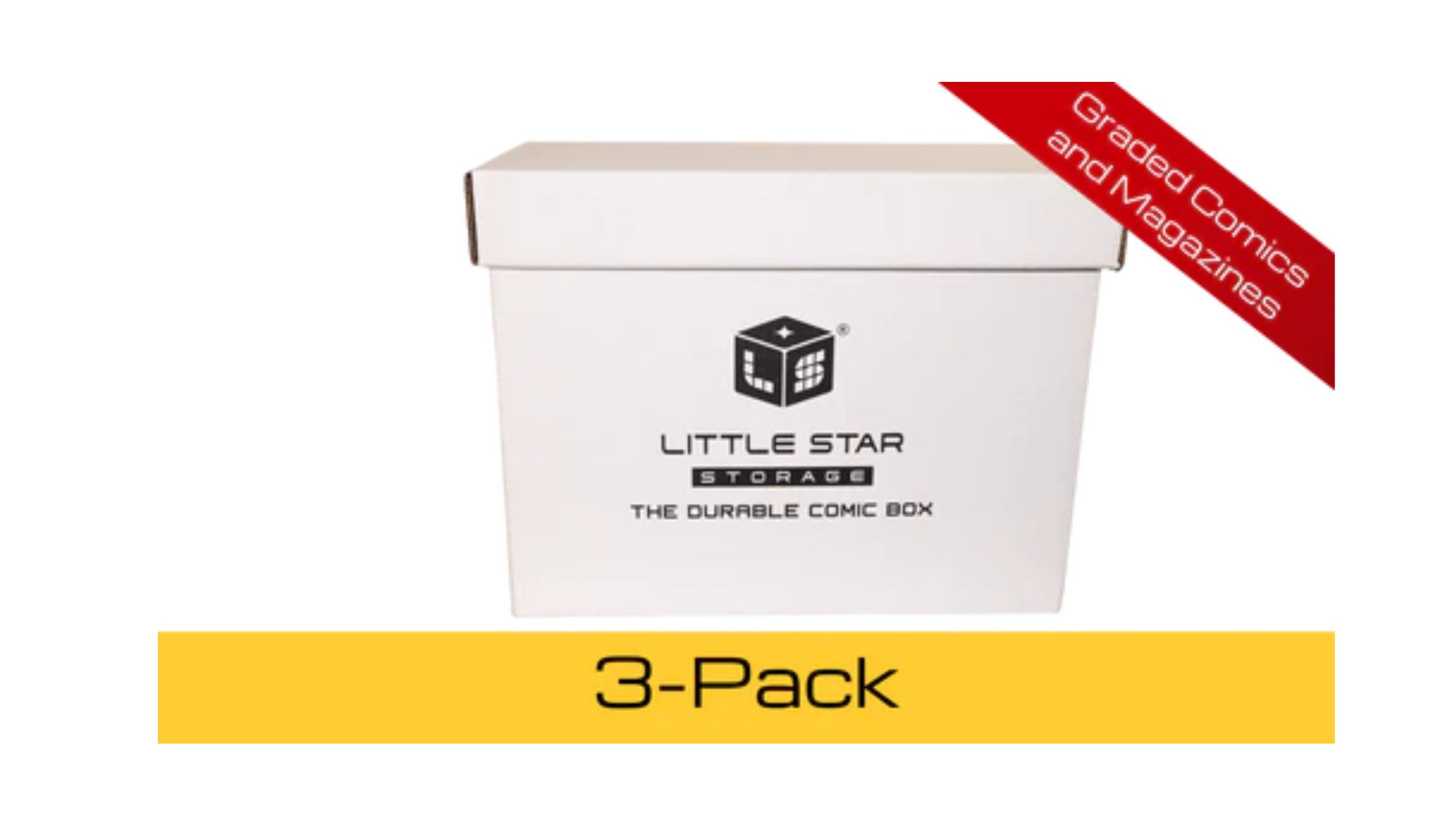
The best way to store vintage magazines without stressing the spine is to use a proper storage box sized for comics. A magazine or comic storage box holds issues upright and snug, keeps edges from rubbing, and limits movement that causes spine creases. If you want an easy, low-risk solution, buy magazine storage box options that match your issue size and add archival sleeves and backing boards for added protection.
Magazines weaken when they lean, slide, or press against other copies. A magazine storage box made for comic-size issues prevents leaning and supports the spine along its full length. Cardboard designed for comic storage has the right height and thickness to stop sagging. Keeping magazines in individual archival sleeves inside the box reduces surface wear and keeps covers from catching. A well-chosen box also blocks dust and light, two common causes of fading and brittleness.
How to Choose a Magazine Storage Box
Look for boxes that list interior dimensions so you can match the box to your magazines. Comic-style magazines need narrower, taller boxes than general magazines. Aim for rigid, double-walled cardboard that resists warping. Acid-free materials are best if listed; if not, the box should allow space for archival sleeves and backing boards. A full-close lid or flap keeps dust and light out. Handles or finger holes make lifting safer and reduce pressure on the box edges.
Preparing Magazines Before Boxing
Handle each magazine with clean, dry hands to avoid transferring oils. Lightly brush the edges to remove loose dust. Slide an acid-free backing board behind each issue to support the cover and prevent bending at the spine. Place the magazine inside an archival-grade sleeve that fits the issue without stretching the plastic. Write an identification number on a small paper tag and slip it into the sleeve rather than writing on the cover or board. These steps reduce direct stress on the spine during handling and storage.
Key Benefits
- Spine support: Boxes hold magazines upright and reduce sagging, which protects the fold.
- Edge and corner protection: Rigid walls stop crushing and bending during storage and moves.
- Dust and light control: Closed boxes limit exposure that causes fading and paper breakdown.
- Space and order: Uniform boxes stack neatly on shelves and make retrieval faster.
- Handling ease: Proper boxes and lids let you remove a whole box rather than pulling single issues.
How to Pack Magazines Inside the Box
Place magazines upright with spines facing the same way so each spine takes even pressure. Do not overpack. A tight fit can compress the spine; a loose fit lets magazines slide and bend. Use cardboard dividers or extra boards to fill small gaps. Keep a small gap below the lid so the box closes without pressing on covers. If an issue is very large or fragile, lay it flat with a board above and below the item; use a flat box for long-term storage of oversized pieces.
Care for Fragile or Valuable Issues
Older magazines with brittle pages or broken spines need special handling. Use heavier archival sleeves such as Mylar and thicker backing boards. If the spine is cracked, avoid opening the issue flat or stretching the fold. Flat storage between boards can reduce stress on a fragile spine. For very valuable pieces, a conservation professional can perform repairs and recommend long-term storage solutions. Acting early avoids further loss and preserves as much original structure as possible.
A Simple Organizing System
Keep handling to a minimum by making issues easy to find. Label box ends with year, title, and issue range. Keep a short index or spreadsheet so you do not need to rifle through many boxes. Group magazines by title or year to reduce the number of times you extract single issues. When you must view an issue, lift the entire box to a table and slide the issue out carefully. This routine reduces repeated pressure that wears the spine.
Common Mistakes that Stress Spines
Do not stack magazines flat for long periods without boards separating them; the weight causes compression and spine creasing. Avoid using soft moving boxes that allow magazines to lean or collapse. Never pull a magazine from the middle of a tightly packed box; remove a side or use a divider to ease extraction. Storing boxes on the floor without elevation risks water damage. Fixing these habits now can greatly lengthen the life of older issues.
Why Buy a Magazine Storage Box Made for Comics
Boxes designed for comic-size magazines match the height and width of typical vintage comic-style issues. That fit keeps the spine straight and prevents the common lean that happens in generic boxes. Comic storage boxes also use thicker board and stack in a way that reduces the chance of crushing under a heavy load. For collectors who prefer a clean, low-effort solution, these boxes make archival care simple and repeatable.
Where to Buy Magazine Storage Box Options
Look for sellers that publish interior box dimensions and mention compatibility with archival sleeves and boards. Searching for “Magazine Storage Box for sale” will reveal single boxes and multi-pack options. Buying a set saves time for larger collections, while single boxes work for targeted storage. Read product reviews to confirm durability and shipping care.
Bottom Line
The best way to store vintage magazines without stressing the spine is selecting and using a proper magazine storage box sized for comic-style issues. Little Star Storage sells sturdy cardboard comic storage boxes online that fit common vintage magazine sizes. The company lists storage box for sale options that work with archival sleeves and backing boards and gives clear box dimensions so buyers can match size to issue. Choosing these boxes and following simple prep and storage steps keeps spines supported, reduces handling, and preserves issues for years. You can buy magazine storage box options from Little Star Storage and receive ready-to-use boxes that suit small and large collections.