
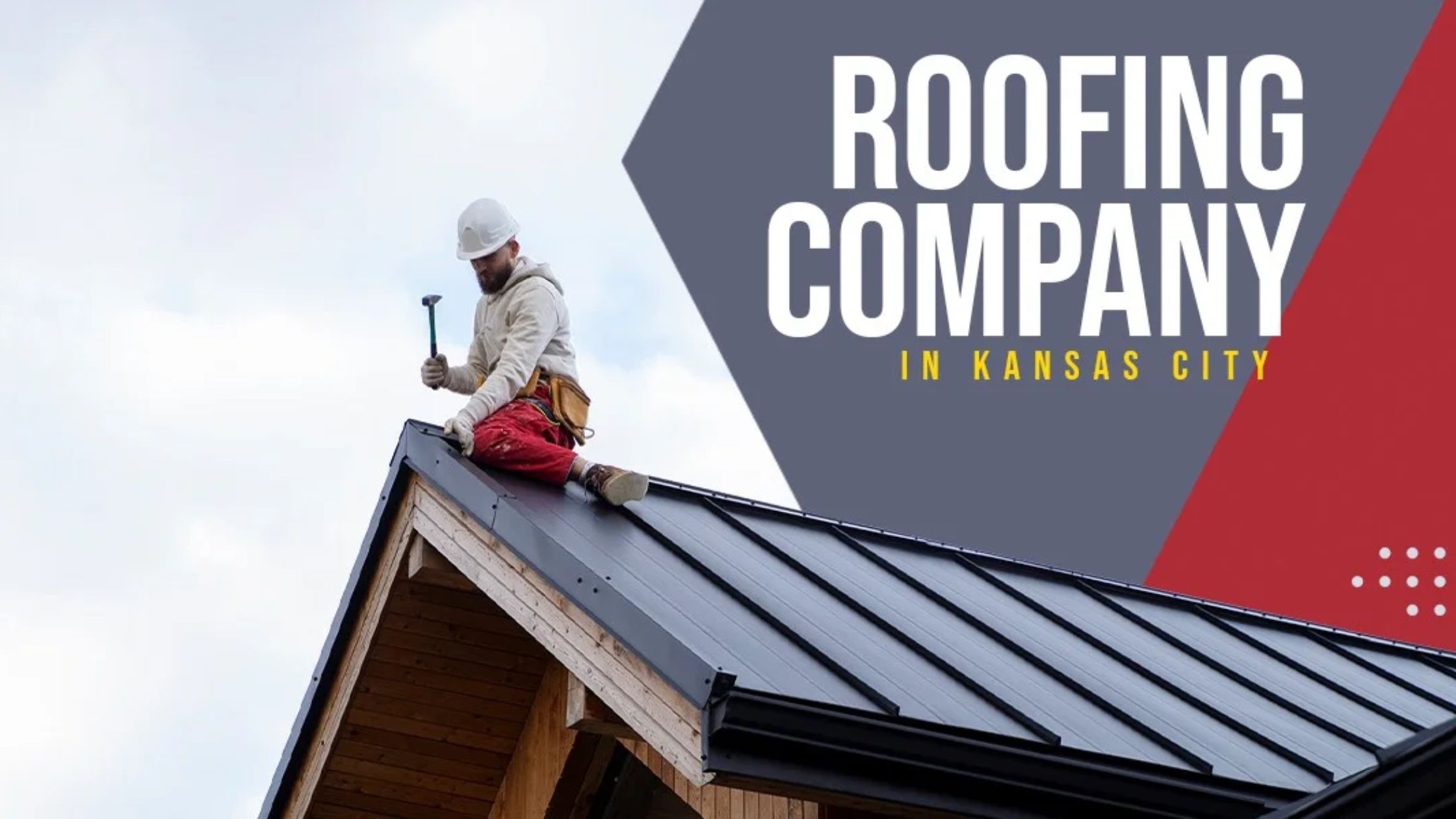
Roof Inspection and Planning in Kansas City
A roofing project in Kansas City begins with a detailed inspection that identifies structural damage, leaks, and storm impact before any installation work starts. This step helps determine whether repair or full replacement makes sense for long-term safety.
A roofing company in Kansas City checks decking strength, moisture exposure, and wind damage caused by seasonal storms common in the region. Kansas City weather shifts between hot summers and hail-heavy storms, so planning focuses heavily on durability and water resistance.
You may hear contractors asking simple but important questions like when the last repair happened or whether leaks appear after heavy rain. These answers shape the entire roofing plan.
Choosing Roofing Materials for Local Conditions
Material selection affects durability, cost, and performance over time. A roofing company in Kansas City evaluates slope design, structural load capacity, and ventilation before finalizing materials.
Some properties use vinyl roofing for lightweight coverage in low-stress areas, while others prefer tile roofing for long-term durability and visual appeal. However, most residential projects still rely on composition shingles due to their balance of affordability and weather resistance.
A properly matched roofing system ensures fewer repairs and better performance during Kansas City’s wind and hail seasons.
Roof Tear-Off and Structural Preparation
Old roofing materials are removed carefully to expose the roof deck underneath. A roofing company in Kansas City inspects every section during tear-off to identify hidden rot or water damage.
Any weakened plywood or compromised decking gets replaced before new installation begins. This step is essential because hidden damage often becomes visible only after the old roof is removed.
Clean surface preparation ensures new materials bond correctly and reduces the risk of future leaks or structural issues.
Underlayment Installation for Weather Protection
A protective underlayment layer is installed over the roof deck before shingles are placed. This layer acts as a moisture barrier and adds insulation against temperature changes.
A roofing company in Kansas City typically uses synthetic underlayment due to its high tear resistance and improved waterproofing performance. This is especially important in Kansas City, where sudden storms can cause rapid water accumulation.
Proper sealing and overlap techniques ensure no gaps remain that could allow moisture penetration.
Composition Shingle Roofing Installation Process
The installation of composition shingle roofing begins at the lower edge of the roof and moves upward in overlapping rows. This design allows water to flow naturally off the surface.
A roofing company in Kansas City follows manufacturer specifications for nail placement, spacing, and alignment to ensure wind resistance and warranty compliance. Each shingle row is carefully staggered to prevent water infiltration.
On average, a residential roof installation in Kansas City takes 1–3 days depending on roof size and weather conditions. Proper installation significantly improves lifespan, often lasting 20–30 years when maintained correctly.
Flashing, Ventilation, and Leak Prevention
Flashing is installed around chimneys, valleys, skylights, and roof edges where leaks are most likely to occur. A roofing company in Kansas City pays special attention to sealing these areas tightly.
Ventilation systems are also checked to ensure airflow reduces heat buildup in attics. Without proper ventilation, roofing materials degrade faster due to trapped moisture and heat.
Composition shingle roofing performs best when airflow and sealing systems work together to maintain balanced roof temperature and dryness.
Final Inspection, Cleanup, and Quality Check
A final inspection ensures that every layer of the roofing system meets installation standards. A roofing company in Kansas City checks alignment, sealing strength, and structural integrity before project completion.
Loose nails, debris, and leftover materials are removed to ensure the property is safe and clean. Homeowners are often given a walkthrough explaining maintenance practices and expected roof performance.
This final step ensures long-term durability and reduces the chances of early roofing issues.
Roofing Material Options in Kansas City Homes
Homeowners in Kansas City typically choose between three main roofing systems depending on structure and budget.
- Vinyl roofing is used in select low-load areas for lightweight protection
- Tile roofing provides long-term durability and strong heat resistance
- Composition shingle roofing remains the most widely used due to balanced cost and performance
A roofing company in Kansas City helps match the right system to the building’s structure, ensuring long-term reliability under Kansas weather conditions.
Conclusion
Roof installation in Kansas City follows a structured process that begins with inspection and ends with final quality verification. Each stage—planning, removal, layering, installation, and inspection—directly impacts the roof’s durability and performance.
A roofing company in Kansas City ensures that homes are prepared to withstand seasonal storms, temperature shifts, and long-term exposure to wind and moisture. Proper installation techniques significantly extend roof lifespan and reduce maintenance needs.
Composition shingle roofing continues to remain a reliable option due to its balanced performance, cost efficiency, and adaptability to local weather conditions. Alongside vinyl roofing and tile roofing options, homeowners can choose systems that match both structural needs and long-term goals.
Frequently Asked Questions
Q1. How does a roofing company in Kansas City install a new roof?
A roofing company in Kansas City follows a structured process that includes inspection, tear-off, deck repair, underlayment installation, shingle layering, flashing placement, and final inspection. Each step ensures the roof can handle wind, rain, and seasonal temperature changes common in the region.
Q2. Why is composition shingle roofing commonly used in Kansas City?
Composition shingle roofing is widely used because it offers strong durability, affordability, and resistance to wind and rain. It performs well in Kansas City’s changing weather conditions and typically lasts 20–30 years when installed correctly and maintained regularly.
Q3. What happens during roof tear-off?
During roof tear-off, old shingles, nails, and underlayment are removed to expose the roof deck. A roofing company in Kansas City inspects the surface for rot, moisture damage, or weak sections and replaces damaged areas before installing new roofing materials.
Q4. How important is underlayment in roofing systems?
Underlayment is critical because it acts as a moisture barrier between the roof deck and shingles. It helps prevent leaks, improves insulation, and increases roof durability. In Kansas City, it provides essential protection against sudden storms and heavy rainfall.
Q5. How long does composition shingle roofing last?
Composition shingle roofing typically lasts between 20 and 30 years depending on installation quality, weather exposure, and maintenance. Proper ventilation and regular inspections can extend its lifespan even further in Kansas City’s variable climate.
Q6. Are tile and vinyl roofing used in Kansas City homes?
Yes, tile roofing is used for durability and aesthetic appeal, while vinyl roofing is used in specific lightweight applications. A roofing company in Kansas City selects materials based on structural strength, budget, and long-term performance needs.
Q7. What factors affect roof durability in Kansas City?
Roof durability depends on installation quality, material type, ventilation, maintenance frequency, and exposure to storms. Kansas City’s hail and wind conditions also play a major role in determining how long a roof remains in good condition.