
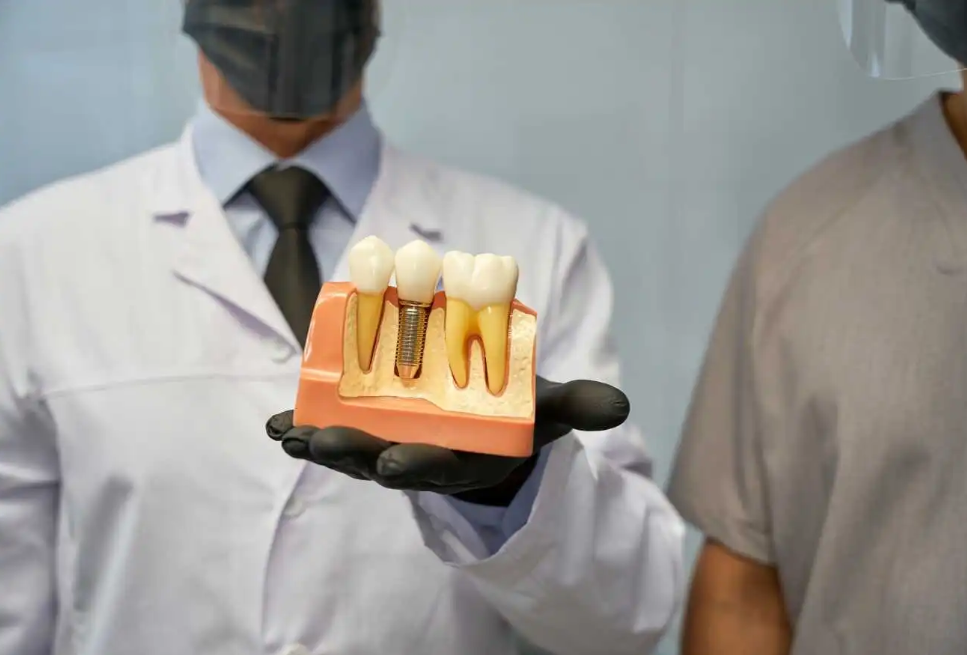
Restoring a missing tooth or multiple teeth is a significant step toward reclaiming your confidence and oral health. If you are researching solutions, you have likely encountered dental implants as the gold standard for long-term tooth replacement. However, if you are looking for information on dental implant cost Mississauga, you may find that prices can feel complex or variable.
Understanding what goes into the investment of Dental Implants Mississauga is the best way to prepare for your treatment. At Afflux Dentistry, we believe in providing our patients with the transparency needed to make informed decisions about their smiles.
Why Dental Implants Are a Worthwhile Investment
Before diving into the numbers, it is helpful to understand why dental implants remain the preferred choice for tooth replacement. Unlike traditional dentures or bridges, which may slip or require the modification of adjacent healthy teeth, implants offer a permanent, stable foundation.
- Bone Health Preservation: When a tooth is lost, the underlying jawbone begins to resorb or shrink. An implant acts as an artificial root, stimulating the bone and preventing the density loss that often leads to an aged facial appearance.
- Natural Appearance and Function: Implants are designed to look, feel, and function just like your natural teeth. You can eat your favorite foods and speak with confidence, knowing your restoration is secure.
- Long-Term Durability: With proper oral hygiene and regular professional care, dental implants are a long-term solution that can last for decades, often a lifetime.
Understanding Dental Implant Cost in Mississauga (2026)
In Mississauga, the cost of a dental implant typically ranges from $3,000 to $6,500 per tooth as of 2026. This range generally includes the surgical placement of the implant post, the abutment (the connector), and the final custom-made crown.
It is important to understand that this price is not a “one-size-fits-all” figure. Because every patient’s anatomy, oral health status, and restorative needs are unique, the final cost can vary based on several key factors.
Primary Factors Influencing the Cost
When you receive a treatment plan, the estimate will be calculated based on specific clinical requirements:
- Number of Implants: Replacing a single tooth is different from a full-arch restoration. While multiple implants increase the total cost, the cost per tooth may decrease when several implants are placed during the same procedure due to consolidated surgical and diagnostic fees.
- Need for Preliminary Procedures: Not every patient is ready for an implant immediately. If you have experienced bone loss, you may require a bone graft to ensure there is enough density to support the implant. Similarly, if there is a damaged tooth at the site, an extraction will be necessary before the implant process can begin.
- Material Selection: Advances in dentistry have provided options beyond standard medical-grade titanium. Some patients may opt for zirconia, a ceramic material known for its high aesthetic appeal and biocompatibility, which can influence the final pricing.
- Complexity and Anesthesia: The location of the missing tooth and the complexity of the surgery—such as the need for specialized sedation or advanced 3D imaging—will be factored into the overall estimate.
What Is Often Excluded from Initial Quotes?
When comparing quotes from different providers, it is vital to ensure you are comparing “apples to apples.” Sometimes, an initial low-cost advertisement may not cover the full journey of the treatment. At Afflux Dentistry, we encourage patients to ask detailed questions about what is included in their treatment plan.
Common components that might be billed separately include:
- Diagnostic Imaging: High-precision 3D CBCT scans are essential for planning, but they are not always included in the base implant price.
- Follow-Up and Maintenance: Successful implant integration requires monitoring. While these visits are part of your care, they are distinct from the initial surgical fee.
- Temporary Restorations: During the healing period (osseointegration), you may need a temporary bridge or denture to maintain your smile’s appearance and function.
How to Manage Your Investment
Because dental insurance coverage for implants varies—and is often limited—many patients look for ways to manage the financial aspect of their care.
- Consultation is Key: You cannot get an accurate quote without a professional assessment. A consultation allows a dentist to evaluate your jawbone density, existing tooth health, and specific restorative goals.
- Ask About Financing: Many dental clinics in Mississauga offer financing options or payment plans. Spreading the cost over time can make a high-quality, permanent restoration much more accessible.
- Prioritize Quality and Expertise: While cost is a major consideration, remember that implant dentistry is a precise medical procedure. Choosing an experienced provider who utilizes advanced digital technology, such as 3D-guided surgical planning, can significantly reduce the risk of complications and ensure your investment lasts as long as possible.
Investing in your smile is an investment in your long-term health and self-esteem. By understanding the factors that influence dental implant costs, you can move forward with confidence, knowing you are making the right choice for your future.
 halilhuseyincagatay3@gmail.com
  virginia Marijuana
  smilepadindia