
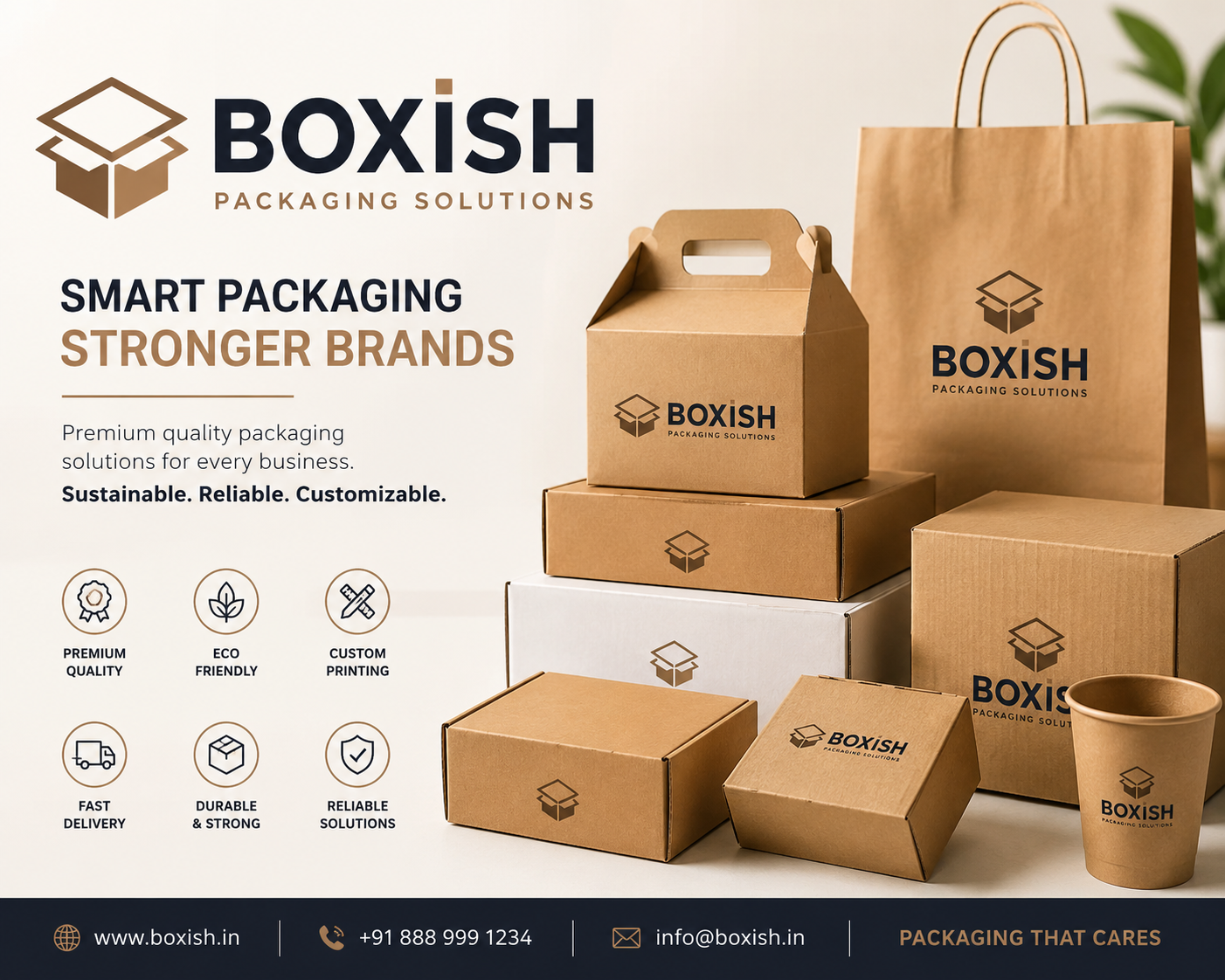
Businesses today are making smarter packaging decisions based on customer expectations, sustainability goals, and long-term cost efficiency. One clear trend across retail, e-commerce, food, and gifting industries is the growing adoption of the paper bag. Rather than relying on assumptions, many companies are using customer feedback, packaging performance, and market insights to decide which packaging solutions deliver the best results.
From improving brand image to supporting eco-friendly initiatives, a paper bag has become much more than a way to carry products. This article explores practical case studies and business scenarios that explain why more companies are making the switch and how these decisions are creating measurable value.
Why Businesses Are Moving Away from Traditional Packaging
The packaging industry has changed significantly over the last few years. Consumers now expect brands to use environmentally responsible solutions without compromising product quality or presentation.
Several factors are influencing this shift:
-
Greater awareness of environmental issues
-
Increasing demand for sustainable products
-
Customer preference for recyclable packaging
-
Government initiatives to reduce plastic waste
-
Stronger focus on long-term brand value
Businesses that adapt to these changes often improve both customer trust and market competitiveness.
Case Study 1: Fashion Retail Brand Improved Customer Experience
A growing fashion retailer wanted to upgrade its packaging to match its premium clothing collection.
The Challenge
Customers appreciated the products but often described the packaging as ordinary. The business wanted packaging that reflected its brand identity while reducing plastic usage.
The Solution
The retailer replaced plastic packaging with branded paper gift bags featuring a simple logo, sturdy handles, and recyclable materials.
Business Impact
Within a few months, the retailer noticed:
-
More positive customer feedback
-
Better social media engagement
-
Higher repeat purchases
-
Stronger brand recognition
The packaging became part of the overall shopping experience rather than just a product carrier.
Case Study 2: E-commerce Store Strengthened Brand Trust
An online home décor business wanted to improve customer satisfaction after receiving feedback about inconsistent packaging.
The Challenge
Products arrived safely, but the packaging lacked a premium appearance and did not reflect the company’s sustainability values.
The Solution
The business introduced a high-quality paper bag for selected lightweight products while redesigning its packaging strategy.
Results
The company experienced:
-
Better customer reviews
-
Improved unboxing experience
-
Greater customer confidence
-
Increased referrals through social media
Customers appreciated the brand’s effort to use sustainable packaging without compromising quality.
Case Study 3: Bakery Improved Local Brand Image
A local bakery wanted packaging that aligned with its handmade and eco-friendly product range.
The Challenge
Plastic packaging conflicted with the bakery’s natural brand image.
The Solution
The bakery introduced brown paper bag packaging for takeaway orders.
Results
The new packaging helped the business:
-
Reinforce its eco-friendly positioning
-
Improve customer perception
-
Increase repeat local customers
-
Create a consistent brand experience
The natural appearance of kraft paper complemented the bakery’s handcrafted products.
Why Data Supports Sustainable Packaging Decisions
Businesses increasingly rely on measurable results instead of assumptions.
Some important performance indicators include:
-
Customer satisfaction
-
Repeat purchase rates
-
Product return rates
-
Brand recall
-
Customer reviews
-
Packaging costs
When businesses monitor these metrics, they often discover that sustainable packaging contributes positively to overall business performance.
Packaging as a Marketing Tool
Packaging no longer serves only a functional purpose.
Today’s businesses use packaging to:
-
Promote their brand
-
Improve customer experience
-
Increase visibility
-
Build trust
Every package that leaves a store becomes a marketing opportunity.
Well-designed packaging encourages customers to remember and recommend the brand.
Sustainable Packaging Supports Business Growth
Consumers increasingly reward brands that demonstrate environmental responsibility.
Businesses using sustainable packaging often benefit from:
Improved Customer Loyalty
Customers appreciate businesses that reduce plastic waste.
Stronger Brand Reputation
Responsible packaging reflects positively on the overall brand.
Better Competitive Position
Sustainability helps businesses stand out in competitive markets.
Future Readiness
Businesses adopting eco-friendly packaging today are better prepared for future regulations and changing consumer expectations.
Why Packaging Quality Still Matters
Sustainability should never come at the expense of product protection.
Businesses should evaluate packaging based on:
-
Durability
-
Product safety
-
Ease of handling
-
Visual appeal
-
Cost efficiency
The right balance between protection and sustainability creates the best customer experience.
Choosing the Right Packaging Strategy
Every business has different packaging requirements.
Before making changes, companies should evaluate:
Product Type
Fragile products require stronger protection than lightweight retail items.
Customer Expectations
Premium brands may require higher-quality presentation.
Shipping Requirements
Packaging should remain practical for transportation and storage.
Business Objectives
Packaging should support long-term branding and operational goals.
The Role of Sustainable Packing Materials
A paper bag works best when combined with appropriate packing materials that protect products during transportation. Businesses shipping fragile or premium products often use recyclable paper cushioning or paper fillers instead of plastic alternatives. This approach improves product safety while maintaining an environmentally responsible packaging strategy.
How Reliable Packaging Partners Add Value
Consistent packaging quality is essential for growing businesses.
Companies often choose suppliers that provide:
-
Reliable product quality
-
Sustainable packaging solutions
-
Custom branding options
-
Flexible order quantities
-
Consistent supply
Businesses looking for scalable packaging solutions frequently evaluate providers such as Boxish.in for their retail, gifting, and e-commerce packaging needs.
Pro Tips Before Switching to Paper Packaging
-
Review your current packaging performance.
-
Collect customer feedback regularly.
-
Test new packaging before large-scale implementation.
-
Choose recyclable packaging whenever possible.
-
Invest in branding through packaging design.
-
Monitor costs without compromising quality.
-
Work with experienced packaging suppliers.
Conclusion
The growing popularity of the paper bag is supported by more than environmental awareness—it is backed by real business outcomes. Companies across retail, e-commerce, food, and lifestyle sectors are improving customer satisfaction, strengthening brand identity, and supporting sustainability goals through smarter packaging decisions.
As consumer expectations continue to evolve, businesses that invest in practical, attractive, and environmentally responsible packaging will be better positioned for long-term success. Choosing the right packaging strategy today can create lasting value for both customers and businesses.
Frequently Asked Questions
1. Why are businesses switching to paper bag packaging?
Businesses are choosing paper bag packaging because it supports sustainability, enhances brand image, and meets growing customer demand for eco-friendly solutions.
2. Can paper bag packaging improve customer experience?
Yes. Attractive, well-designed packaging improves first impressions, creates a better unboxing experience, and strengthens brand perception.
3. Is paper packaging suitable for e-commerce businesses?
Yes. Many e-commerce businesses use paper-based packaging for lightweight and suitable products while maintaining product protection.
4. What should businesses consider before changing packaging?
Businesses should evaluate product type, customer expectations, shipping requirements, packaging costs, and sustainability goals.
5. Why is sustainable packaging important for future business growth?
Sustainable packaging helps businesses meet changing consumer preferences, reduce environmental impact, strengthen brand reputation, and prepare for future regulations.
 bpifarnorthcoast@gmail.com
  thedesertstar
  thomas joeethan