
Engineers uniforms are an essential part of modern industrial workplaces where safety, performance and professionalism matter every day. In any construction project, factory, power plant or chemical environment, the appropriate clothing for the job helps engineers work safely and confidently on complex tasks. Today more and more companies are opting for custom engineers uniforms to align with the demands of the specific job and brand them through the uniform. Quality suppliers such as Futuremind Uniforms specialize in supplying long lasting, comfortable and industry ready products that are built for actual work.
As the world has become more of an industrial society, engineering clothes is no longer only basic garments. Designed with state of the art fabrics, safety and ergonomic patterns that enable long hours of work. This progression keeps workers safe, comfortable and productive during their working hours.
Why Engineers Uniforms Matter in Modern Workplaces
Engineering workplaces can have a number of hazards such as heat exposure, electrical hazards, sharp equipment and chemical contact. Wearing the right industrial clothing can mitigate these risks and help to ensure safety in the workplace.
At the same time it helps create discipline and unity within teams. The importance of employees wearing uniform professional attire for roles and structure in large industrial environments. It also adds to the company’s identity particularly when dealing with clients and external stakeholders.
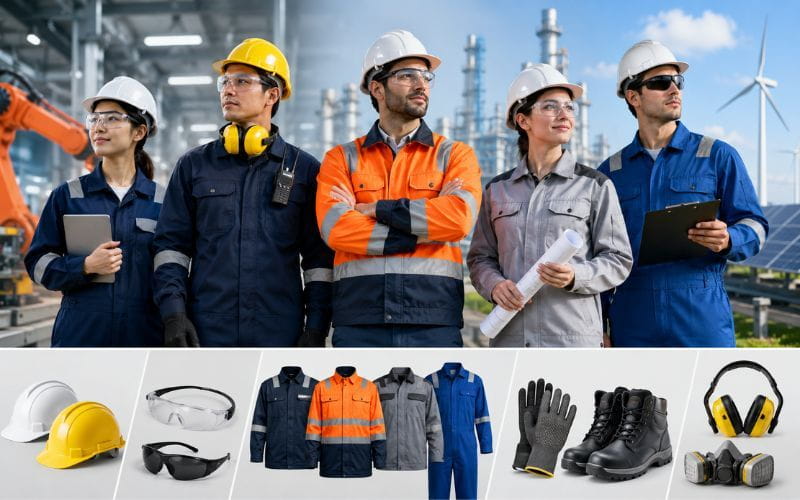
Key Features of Modern Engineers Uniforms
Today’s engineering attire is designed to be safe, durable and comfortable. It has the following key features
- Fabrics that are strong, suitable for heavy duty industrial applications.
- Fire protection and anti-static properties for high risk environments
- A material that allows breathing during long working hours
- Several pockets for tools and accessories
- The reflective detailing for visibility in low light should be applied
- Flexible stitching for ease of movement
These features ensure Engineers uniforms meet the demands of challenging job roles while keeping workers safe and comfortable throughout the day.
Different Types of Engineers Workwear
Each engineering specialty has a particular kind of clothing which is required to meet the needs of the job and the safety of the workplace.
Mechanical Engineering Workwear
Designed for factory floors and areas with a high concentration of machinery and equipment where durability and protection are paramount.
Civil Engineering Attire
For use on highly visible outdoor sites that require high strength fabric reinforcement.
Electrical Engineering Clothing
Emphasis on flame resistance and anti-static protection to minimise electrical hazards.
Chemical Engineering Protective Wear
Provides chemical spill, chemical fume and corrosive resistance for safer handling of chemicals.
Maintenance Engineering Apparel
Easy to move lightweight, flexible clothing that facilitates movement throughout various systems.
Materials Used in Engineers Uniforms
The choice of fabric plays a major role in safety and performance. Common materials include
- A variety of cotton blends for comfort and breathability
- Polyester cotton blends for strength and durability
- Heat and flame resistant materials such as Kevlar and Nomex
- Electrical safety anti-static fibers
- Water resistant coatings for outside protection
They frequently are used together to provide a well-rounded solution that ensures safety, comfort and durability.
Safety Standards in Industrial Workwear
To ensure maximum protection engineering attire must follow global safety standards such as
- There are ISO standards for protective clothing
- The rules for workplace safety set by OSHA
- The enhancement of visibility and flame resistance to EN ISO standards
These standards guarantee that any garment is tested under actual industrial conditions, decreasing the dangers on the job and increasing general safety adherence.
How to Choose the Right Engineers Uniform
Selecting the right workwear depends on several practical factors
- Type of engineering job and responsibilities
- Chemical, electrical or heat exposure
- The degree of comfort needed for extended periods of work
- Climate and working environment conditions
- Branding and customization preferences for a company
The right clothing can enhance the efficiency, safety and morale of workers in all types of work.
Benefits of High Quality Engineers Uniforms
Investing in quality industrial attire offers long-term value
- Increased protection from workplace hazards.
- Better comfort while working long hours
- Well defined corporate image and identity
- Adhering to industry safety requirements
- There will be long term cost savings considering that it is durable
Quality workwear isn’t something that’s just required it’s a good investment that will pay off in efficiency and safety for workers.
Future Trends in Engineers Uniforms
Industrial attire is evolving with new technologies and sustainable practices
- Smart garments equipped with inbuilt safety sensors
- Fabrics that are 100% recycled and environmentally friendly
- Clothing for temperature control in harsh environment
- Garments with RFID sensors to track workers
- The lightweight protective materials are for enhanced mobility
These innovations are helping to create a safer, smarter and more efficient future for engineering professionals.
Conclusion
In today’s industries Engineers uniforms are critical to ensuring safety, efficiency and professionalism. Selecting the appropriate industrial clothing particularly tailored Engineers workwear benefits businesses in creating a safer working environment and establishes a better brand image and worker confidence.
A business can obtain the right uniform solutions that are reliable, long lasting and customized to their specific needs from trusted providers such as Futuremind Uniforms. For all engineering workplaces, quality workwear is essential for providing greater protection, better performance and long term operational success.
 sohanakhatun
  saadurrehman
  Bharti Rajput