
Arch support can transform how your feet feel, but only when it suits your needs. Many people grab the first product they see and end up disappointed. Here are the seven most common mistakes to avoid, so you can choose wisely and enjoy genuine, lasting comfort every single day.
Why Choosing the Right Support Matters
The right orthotic arch support helps align your feet, spread pressure evenly and reduce strain through your legs and back. The wrong choice can leave you sore, frustrated and out of pocket.
Most mistakes happen simply because people don’t know what to look for. Understanding common pitfalls before you buy saves money and prevents discomfort. Let’s work through the seven mistakes worth avoiding.
Assuming All Arch Support Is the Same
Arch support varies widely in shape, firmness and height. A product that suits one person may feel uncomfortable or ineffective for another, so treating all options as interchangeable is a common and costly error.
Your foot type, activity level and any existing conditions all influence what works best. Take time to compare options rather than assuming that one popular product will automatically suit your feet.
Ignoring Your Foot Type
Choosing orthotic arch support without knowing whether you have flat, neutral or high arches is guesswork. Each foot type needs different levels of contour and firmness to feel comfortable and effective.
A simple wet footprint test at home offers a useful clue. Better still, a podiatrist can assess your arch height and gait, then recommend the level of support that suits you.
Choosing Too Much Support
More support isn’t always better. Overly rigid or high arches can press uncomfortably into your foot, causing soreness, blisters or even new pain in areas that previously felt perfectly fine.
Support should feel firm yet comfortable, never forced. If your arch cramps or feels bruised after a few hours, the product is probably too aggressive for your foot and should be changed.
Skipping the Fit Check With Your Shoes
Arch support only works when it sits properly inside your footwear. Insoles that are too long, too thick or poorly shaped can crowd your toes and push your heel upwards.
Always test arch support with the shoes you’ll actually be wearing. Check that your heel stays secure, your toes have room, and the shoe still closes comfortably without feeling tight.
Expecting Instant Results
Your feet need time to adapt to new support. Wearing it all day immediately can cause aching arches, fatigue or soreness, leading many people to give up before benefits appear.
Start with an hour or two daily, then gradually increase wear over one to two full weeks. If discomfort persists beyond that adjustment period, speak with a podiatrist for personalised advice.
Buying Based on Price or Looks Alone
The cheapest option rarely delivers lasting support, while the most expensive isn’t automatically better. Judge arch support on contour, firmness, materials and fit rather than packaging, marketing claims or appearance alone.
Soft foam that feels pleasant in the store often compresses quickly and stops supporting. Look for durable, resilient materials that hold their shape through months of daily walking and standing.
Ignoring Pain That Doesn’t Improve
Arch support is not a cure-all. Persistent heel pain, swelling, numbness or pain that steadily worsens may signal a condition that needs professional assessment rather than a simple over-the-counter solution.
Delaying a podiatrist visit often allows minor problems to progress further. Combine well-chosen support with professional guidance, especially if you have diabetes, circulation concerns or a history of foot injury.
Choose Arch Support Wisely and Walk Comfortably
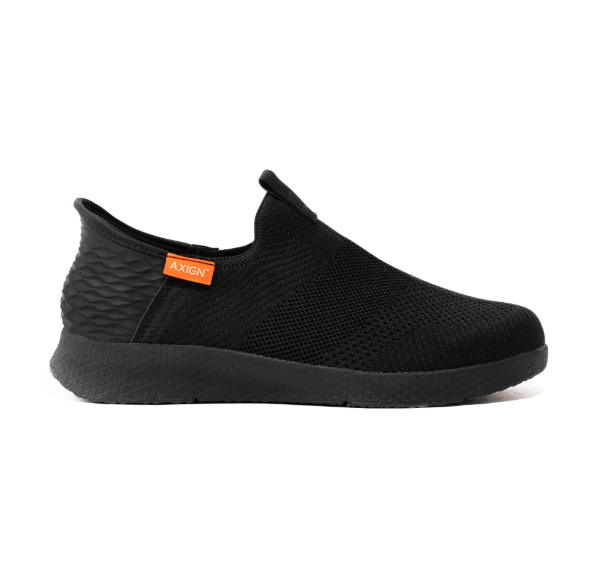
Choosing the right arch support takes a little thought, but avoiding these common mistakes makes the process far easier. Know your foot type, prioritise fit, adjust gradually and seek advice when pain persists. Brands such as Axign Medical Footwear demonstrate how thoughtful design can support foot function. With patience and the right guidance, you can find support that keeps your feet comfortable, stable and ready for whatever everyday life brings.
Frequently Asked Questions
How do I know if I need arch support?
Persistent arch or heel pain, tired feet and uneven shoe wear are common signs. A podiatrist can confirm this properly.
Can arch support be too high?
Yes. Arches that are too high or rigid can cause soreness and new pain, so always prioritise comfort and fit.
How long does it take to adjust to new arch support?
Most people adjust within one to two weeks. Wear it for short periods initially, then gradually increase time each day.
Is arch support the same as custom orthotics?
No. Custom orthotics are moulded to your feet by a podiatrist, while off-the-shelf arch support offers general, everyday foot support.
When should I replace my arch support?
Replace it every six to twelve months, or sooner if it looks flattened, feels less supportive, or your symptoms return.
 sensamita
 maikalclark02@gmail.com
 justin bieber shoes