
India is one of the world’s largest producers of milk, fruits, vegetables, seafood, meat, and other perishable food products. However, a significant percentage of these products is lost every year due to improper storage, inadequate temperature control, and inefficient logistics. A strong cold chain is essential for reducing food wastage, maintaining product quality, and ensuring food safety from production to consumption.
As the food processing and logistics sectors continue to expand, the demand for trained cold storage professionals has increased rapidly. Many learners prefer cold storage courses Hindi because they provide technical knowledge in a language that is easier to understand and apply in real workplace situations. At the same time, a structured cold storage management course in India equips learners with practical skills needed to manage warehouses, refrigeration systems, inventory, food safety, and cold chain operations efficiently.
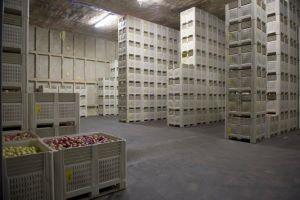
Why Cold Storage Matters in the Food Industry
Cold storage is much more than keeping products in refrigerated rooms. It is a specialised system that controls temperature, humidity, handling, and storage conditions to preserve the quality and safety of perishable products.
Industries that depend on cold storage include:
- Dairy
- Fruits and vegetables
- Meat and poultry
- Seafood
- Frozen foods
- Pharmaceuticals
- Ice cream
- Beverage manufacturing
- Food exports
Without proper cold storage infrastructure, businesses experience product spoilage, financial losses, and reduced customer confidence.
Understanding the Cold Chain
A cold chain refers to the uninterrupted temperature-controlled movement of products from production to the end consumer.
It generally includes:
- Harvesting or procurement
- Pre-cooling
- Cold storage
- Refrigerated transportation
- Distribution centres
- Retail storage
- Consumer delivery
Every stage must maintain the recommended temperature range to preserve freshness, nutritional value, and food safety.
Why India Needs Skilled Cold Storage Professionals
India’s food processing industry is expanding rapidly due to increasing domestic consumption, exports, organised retail, and e-commerce.
Modern cold storage facilities require professionals who understand:
- Refrigeration systems
- Warehouse operations
- Inventory management
- Food safety
- Temperature monitoring
- Product handling
- Quality assurance
- Documentation
- Cold chain logistics
Professional training helps bridge the industry’s growing skill gap.
Benefits of Learning Through Cold Storage Courses in Hindi
Many students and working professionals understand technical concepts better in their native language.
Cold storage courses Hindi make complex subjects easier by explaining industry terminology, operational procedures, and food safety practices in a practical and accessible manner.
Learning in Hindi helps participants:
- Understand technical concepts faster
- Improve practical implementation
- Gain confidence during workplace operations
- Learn industry terminology effectively
- Build stronger communication skills within local industries
This approach makes vocational education more inclusive and accessible.
What Does a Cold Storage Management Course Cover?
A comprehensive cold storage management course in India combines theoretical knowledge with practical industry applications.
Major learning areas include:
Cold Chain Fundamentals
Students understand how temperature-controlled supply chains function across different food industries.
Refrigeration Basics
The course introduces refrigeration principles, cooling systems, compressors, evaporators, condensers, and temperature control mechanisms.
Storage Management
Learners understand proper storage methods for:
- Dairy products
- Fruits
- Vegetables
- Frozen foods
- Meat
- Seafood
- Processed food
Each category requires specific storage temperatures and handling procedures.
Temperature Monitoring
Maintaining the correct storage temperature is essential for product safety.
Students learn:
- Temperature recording
- Monitoring devices
- Corrective actions
- Alarm systems
- Equipment calibration
Inventory Management
Efficient warehouse management reduces product losses.
Topics include:
- FIFO (First In, First Out)
- FEFO (First Expired, First Out)
- Stock rotation
- Warehouse documentation
- Product traceability

Food Safety in Cold Storage Operations
Cold storage is closely linked with food safety.
Training programmes teach learners about:
- Personal hygiene
- Cleaning and sanitation
- Cross-contamination prevention
- Pest management
- Safe loading and unloading
- Packaging integrity
- Cold chain documentation
Following these practices helps businesses comply with food safety regulations while protecting consumers.
Technology Is Transforming Cold Storage
Modern cold storage facilities increasingly use digital technologies to improve efficiency.
Examples include:
- IoT temperature sensors
- Cloud-based monitoring systems
- Warehouse Management Systems (WMS)
- RFID tracking
- Barcode inventory systems
- Automated refrigeration controls
- GPS-enabled cold chain logistics
Professionals familiar with these technologies are highly valued across the food industry.
Career Opportunities After Cold Storage Training
A cold storage management course in India prepares learners for diverse career opportunities.
Potential roles include:
- Cold Storage Executive
- Warehouse Supervisor
- Cold Chain Coordinator
- Inventory Controller
- Logistics Executive
- Refrigeration Plant Operator
- Quality Assurance Executive
- Supply Chain Executive
- Distribution Manager
- Food Warehouse Supervisor
Employment opportunities are available in:
- Food processing companies
- Dairy plants
- Frozen food manufacturers
- Seafood exporters
- Agriculture companies
- Logistics providers
- Retail chains
- Pharmaceutical companies
- Cold storage warehouses
Why Cold Chain Skills Are Becoming Future-Proof
The rapid growth of online grocery delivery, pharmaceutical logistics, food exports, and organised retail has increased demand for efficient cold chain systems.
Businesses are investing in:
- Automated warehouses
- Energy-efficient refrigeration
- Smart monitoring technologies
- Sustainable cold storage solutions
- Digital inventory management
Professionals trained in modern cold storage operations will continue to remain in high demand.
Conclusion
Efficient cold storage systems are essential for reducing food losses, maintaining product quality, and strengthening India’s food supply chain. Enrolling in cold storage courses Hindi enables learners to understand technical concepts more effectively while building practical industry skills. A structured cold storage management course in India further prepares professionals to manage modern warehouses, maintain cold chain integrity, and support food safety across diverse industries. Through industry-relevant online training, FICSI E-Learning is helping create a skilled workforce capable of supporting India’s rapidly growing cold chain and food processing sectors.
 Nutranest Food
  Smith Publicity, Inc.