
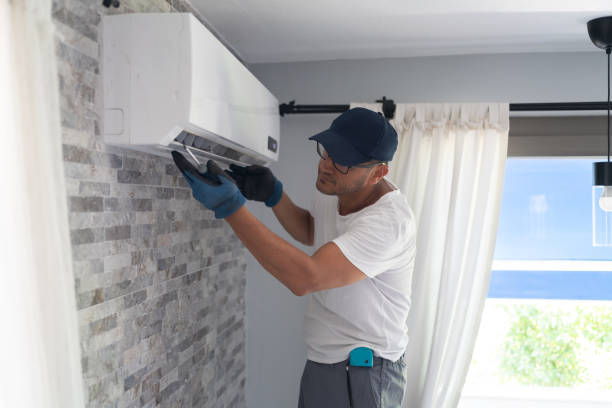
Choosing the right supplier for HVAC systems is a critical decision for homeowners, facility managers, and technicians. The performance, efficiency, and durability of your cooling system largely depend on the quality of components used during installation or repair. Working with trusted HVAC equipment providers ensures long-term reliability, reduced maintenance costs, and improved system efficiency.
In today’s competitive market, there are many HVAC spare parts dealers, but not all offer genuine products or consistent service. Selecting the right partner requires careful evaluation of product quality, supplier credibility, and after-sales support. This guide explains the best practices to help you make an informed decision when choosing an HVAC supplier.
1. Verify Product Authenticity and Quality Standards
One of the most important factors when selecting HVAC suppliers is product authenticity. High-quality components directly impact system performance and energy efficiency.
Reliable suppliers will always provide:
- Original manufacturer-certified parts
- Warranty on products
- Compliance with industry standards
- Clear product specifications
Avoid suppliers who cannot verify the origin of their products. Poor-quality parts may lead to frequent breakdowns and higher long-term costs. A reliable supplier will prioritize durability and system performance over low pricing.
2. Check Supplier Experience and Market Reputation
Experience matters significantly in the HVAC industry. Established providers usually have a better understanding of system compatibility, installation challenges, and maintenance requirements.
Before choosing a supplier, consider:
- Years of industry experience
- Customer reviews and testimonials
- Project portfolio or client base
- Technical expertise of staff
A company with strong market presence is more likely to deliver consistent quality and support. Brands like aircondition often focus on long-term reliability and customer satisfaction, making them a safer choice.
3. Evaluate Product Range and Availability
A professional HVAC supplier should offer a wide range of components to meet different system requirements. This includes compressors, fan motors, capacitors, thermostats, and ducting accessories.
When evaluating suppliers, check:
- Availability of multiple brands and models
- Stock consistency for urgent needs
- Compatibility with different HVAC systems
- Access to both residential and commercial parts
Having access to a complete product range ensures faster repairs and reduces system downtime.
4. Assess Technical Support and Customer Service
Strong customer support is a key indicator of a reliable supplier. HVAC systems are complex, and technical guidance is often required during selection or installation.
A dependable supplier should offer:
- Expert technical consultation
- Installation guidance
- Troubleshooting support
- After-sales assistance
Without proper support, even high-quality parts can be difficult to install correctly. This is why professional service backing is just as important as product quality.
5. Compare Pricing Without Compromising Quality
While cost is an important factor, it should never be the only consideration. Extremely low prices often indicate poor-quality or counterfeit products.
Instead, focus on:
- Fair market pricing
- Transparent quotations
- Value for money
- Warranty inclusion
A reliable supplier balances affordability with quality assurance, ensuring long-term savings rather than short-term cost benefits.
6. Look for Supply Chain Reliability and Delivery Speed
Timely delivery is crucial in HVAC repair and maintenance projects. Delays can disrupt operations and lead to customer dissatisfaction, especially in commercial environments.
Choose suppliers who provide:
- Fast delivery services
- Local stock availability
- Emergency supply options
- Efficient logistics support
Reliable supply chains ensure minimal downtime and smooth project execution.
7. Check Compliance with Industry Regulations
HVAC systems must meet safety and environmental standards. Working with compliant suppliers reduces risks and ensures system efficiency.
Ensure the supplier follows:
- Environmental safety guidelines
- Energy efficiency standards
- Industry certifications
- Government regulations
Compliance guarantees that the components are safe, durable, and legally approved for use.
8. Prioritize Long-Term Business Relationships
Instead of choosing suppliers for one-time purchases, focus on building long-term partnerships. Trusted suppliers understand your system requirements better over time and offer more efficient solutions.
Long-term partnerships provide:
- Better pricing agreements
- Priority service support
- Faster response times
- Customized solutions
A reliable supplier becomes a strategic partner rather than just a vendor.
Conclusion
Selecting the right HVAC supplier is essential for maintaining system performance and reducing operational costs. By following these best practices, you can ensure that you work with trusted HVAC equipment providers who deliver consistent quality, technical expertise, and reliable service.
Whether you are managing residential systems or large commercial installations, choosing the right partner ensures long-term efficiency and fewer breakdowns. The brand aircondition focuses on delivering dependable solutions that meet industry standards and customer expectations.
Working with established air conditioning parts dealers helps you secure genuine components, improve system lifespan, and maintain optimal cooling performance throughout the year.
 singhal123