
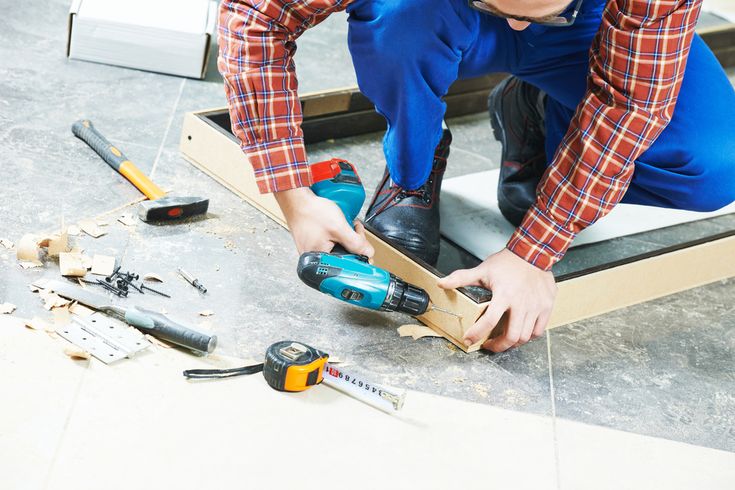
Homes require regular attention to stay comfortable, functional, and attractive. Small repairs, maintenance tasks, and improvement projects can become difficult when they are left unfinished or handled without the right tools. Some jobs may take only a short time, while larger projects require careful planning and several stages of work. Understanding what a home needs can help property owners decide which improvements should be handled first.
Handling Small Repairs on Time
Minor problems can become more noticeable when they are ignored for too long. Loose doors, damaged trim, worn fixtures, small holes in walls, and other issues can affect how a home looks and functions. Handyman Services in Leesville SC can cover many routine tasks that homeowners may not have the time, tools, or experience to complete themselves. Taking care of smaller repairs early can help prevent them from becoming larger projects.
Planning Before Starting Work
Good preparation makes home improvement work easier to manage. Before beginning a project, homeowners should identify the exact problem, determine the materials needed, and consider how the work may affect nearby areas. A simple written plan can help keep tasks organized. For larger improvements, it is also useful to establish a budget and decide which work is most important before purchasing materials.
Improving Rooms With Practical Changes
A home does not always need a complete makeover to feel different. Replacing worn hardware, repairing damaged surfaces, updating fixtures, or improving storage can change the appearance and usefulness of a room. Small improvements can also make everyday routines more convenient. The best projects usually focus on real household needs instead of adding features that may look attractive but provide little practical value.
Knowing When a Project Is Larger
Some home improvements involve more than simple repairs. Changing room layouts, updating several surfaces, replacing cabinets, or making major structural changes may require more planning and specialized skills. Professional Remodeling Services in Leesville SC can be useful for projects that involve multiple stages, detailed measurements, or coordination between different types of work. Knowing the difference between a small repair and a larger renovation can help homeowners plan properly.
Choosing Suitable Materials
Materials should be selected according to how a space will be used. A busy hallway may need durable flooring, while a bathroom requires materials that can handle regular moisture. Kitchens often benefit from surfaces that are easy to clean. Homeowners should consider durability, maintenance, appearance, and cost instead of choosing materials based only on their initial price. Quality materials can provide better long-term value when they are suitable for the application.
Improving Safety Around the Home
Maintenance work can also address safety concerns. Loose railings, damaged steps, broken locks, uneven surfaces, and poorly secured fixtures can create avoidable risks. These problems should not be treated as purely cosmetic. Regularly checking areas that receive heavy use can help homeowners identify issues before they become more serious. Safety should remain an important consideration throughout any repair or improvement project.
Making Better Use of Storage
Limited storage can make even a well-designed home feel crowded. Simple changes such as adding shelving, improving closet organization, or creating better storage under stairs can make a noticeable difference. Storage solutions should match the items being stored and leave enough room for comfortable movement. Thoughtful organization can improve a room without requiring a major change to its overall layout.
Preparing for Remodeling Work
Larger projects can temporarily affect normal household routines. Furniture may need to be moved, rooms may become unavailable, and dust or construction materials may need to be controlled. Homeowners should prepare the work area before construction begins and protect belongings that could be damaged. Discussing the expected timeline, work stages, material choices, and cleanup process in advance can make the experience easier to manage.
Maintaining Improvements After Completion
Finishing a project does not mean maintenance should stop. New fixtures, surfaces, doors, cabinets, and other improvements need regular care to remain in good condition. Cleaning according to manufacturer recommendations and addressing small problems quickly can extend the useful life of completed work. A simple maintenance routine can also help homeowners notice developing issues before they require expensive repairs.
Focusing on Long-Term Value
The most useful home improvements combine appearance, comfort, safety, and function. Whether the task involves a small repair or a larger renovation, homeowners should consider how the change will serve them over time. Careful planning, suitable materials, accurate work, and regular maintenance can make improvements more worthwhile. A home does not need constant major changes; thoughtful updates can gradually create a more comfortable and practical living environment.
 Jhoana Williams
  Petrofast Middle East FZC
  essentialhoodiesusa1