
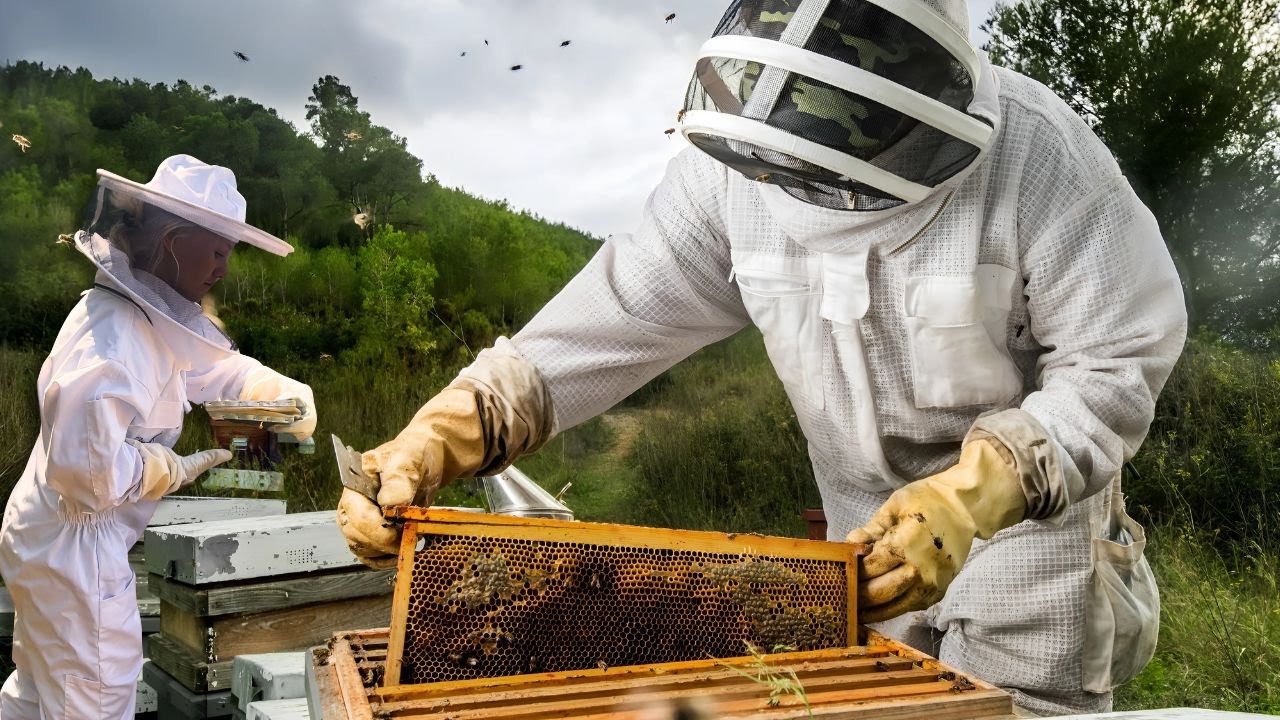
Understand Why Bees Matter
Bees play an important role in pollination and local ecosystems. When a colony establishes itself near a home, however, its location can create concerns for residents. Professional relocation offers a way to address the situation while considering both household safety and the preservation of the colony.
Identify Where the Colony Is Located
Bees can build colonies in wall cavities, attics, chimneys, sheds, trees, and other sheltered areas. Finding the actual hive is important because simply removing visible bees may not resolve the problem. A professional can inspect the property and determine where the colony has established itself.
Avoid Disturbing the Hive
Attempting to remove a hive without proper equipment or experience can agitate the bees. This may increase the risk of stings and can make the colony harder to manage. Keeping people and pets away from the area until the situation is assessed is a sensible precaution.
Choose a Safe Relocation Approach
Bee Hive Relocation Services Westfield NJ can help property owners address established colonies while giving professionals an opportunity to preserve the bees when practical. Experienced specialists can evaluate the hive location, colony condition, access challenges, and surrounding property before deciding on an appropriate relocation method.
Protect the Structure
A hive inside a wall, attic, or other enclosed area may leave behind honey, wax, and other materials after the bees are removed. These remnants can attract insects and create odors if they are not properly addressed. Structural access and cleanup should therefore be considered as part of the overall project.
Keep Children and Pets Away
An active colony can become defensive when disturbed. Children and pets should stay away from the affected area until the situation has been professionally evaluated. This is especially important when bees have established a hive close to entrances, play areas, patios, or frequently used parts of the property.
Consider the Colony’s Location
The best relocation method can depend on where the bees have built their hive. A colony in a tree may require a different approach from one located inside a wall or attic. Professionals can assess access and determine what equipment and techniques are appropriate.
Focus on Responsible Removal
Bee Removal and Relocation combines colony removal with efforts to move bees to a more suitable location when conditions allow. New Jersey providers offer bee removal and relocation assistance for residential properties, including situations involving colonies in walls, attics, trees, and other structures.
Avoid Using Household Chemicals
Spraying an established hive with household insecticides may create additional problems and can expose people, pets, and surrounding areas to chemicals. It may also leave the colony’s remnants inside the structure. Professional evaluation is a safer way to determine what should be done.
Check for Additional Colonies
Once a hive is discovered, inspect nearby areas for signs of additional activity. Bees may establish colonies in more than one suitable location, particularly when a property provides several sheltered spaces. A thorough assessment can help identify potential entry points.
Seal Suitable Entry Points
After the colony has been relocated and the affected area has been properly cleaned, sealing appropriate openings can help discourage future infestations. Cracks, gaps, vents, and other entry points should be addressed according to the property’s construction and ventilation needs.
Understand Seasonal Activity
Bee activity can vary throughout the year. Warmer periods may make colonies more noticeable, while seasonal changes can affect their behavior. Property owners should not assume that reduced activity means a hive has disappeared because a colony may remain inside a concealed location.
Choose Experienced Professionals
Bee relocation requires knowledge of bee behavior, protective equipment, and safe handling techniques. When choosing a service provider, ask about experience with residential hive removal, relocation methods, structural access, cleanup, and prevention.
Ask About the Full Service
Before scheduling work, clarify what the service includes. Ask whether the provider handles hive removal, bee relocation, honey and wax cleanup, repairs to access points, and recommendations for preventing future colonies. A clear scope can help avoid unexpected issues later.
Protect Your Property
A bee colony does not always require destruction. When relocation is practical, professional handling can address the property’s immediate concern while preserving the colony. Proper assessment, careful removal, cleanup, and prevention can help create a safer environment around the home.
 companyformationqatar
  saadurrehman
  mfnauditing