
Asset tokenization is becoming a serious business model across global financial markets. Real estate firms, investment groups, startup founders, and private equity companies are now looking at digital ownership models with more interest than before. This shift is pushing demand for White Label Tokenization Platform solutions across many industries. Instead of spending years developing software from scratch, businesses are selecting ready-made tokenization systems that support digital asset issuance, compliance workflows, investor onboarding, and secondary market functionality.
The growing acceptance of blockchain-backed assets has also changed how investors look at ownership. Fractional participation, faster settlements, and broader investor access are now part of many tokenization discussions. As regulations mature in different countries, companies are moving faster to enter this sector using White Label Real Estate Tokenization Platform systems and related services.
The market is no longer limited to cryptocurrency startups. Real estate agencies, property funds, luxury asset companies, art investment firms, and infrastructure businesses are also entering this space. Several global trends are contributing to this movement. Understanding these developments helps explain why tokenization platforms are receiving wider adoption worldwide.
1. Rising Interest in Fractional Asset Ownership
One of the biggest reasons behind tokenization platform growth is the rising popularity of fractional ownership models. Traditional investment structures often require large capital commitments. Real estate, commercial buildings, private funds, and luxury assets are usually accessible only to high-net-worth investors. Tokenization changes this pattern by dividing ownership into smaller digital units.
With a White Label Tokenization Platform, businesses can issue digital shares representing ownership rights in physical or financial assets. Investors can participate with smaller amounts while issuers gain access to a larger investor base.
This trend is especially visible in real estate markets where younger investors want exposure to premium properties without purchasing entire assets.
Benefits of Fractional Ownership
- Lower investment barriers
- Wider investor participation
- Improved liquidity opportunities
- Faster fundraising cycles
- Digital ownership tracking
White Label Real Estate Tokenization is becoming increasingly attractive because property markets often suffer from low liquidity and high entry costs. Tokenized models help reduce these limitations.
2. Global Regulatory Progress Around Digital Assets
Several governments and financial authorities are gradually creating frameworks for tokenized assets and blockchain-based securities. Regulatory clarity has always been one of the largest concerns in the tokenization industry. As legal structures become more defined, businesses are gaining confidence to launch tokenized investment platforms.
Countries in Europe, the Middle East, Singapore, Hong Kong, and parts of North America are introducing digital asset regulations covering custody, compliance, investor protection, and trading mechanisms.
This regulatory movement is encouraging businesses to adopt White Label Real Estate Tokenization Development solutions that include built-in compliance modules such as:
- KYC verification
- AML monitoring
- Accredited investor checks
- Smart contract restrictions
- Jurisdiction-based access controls
Instead of handling compliance development independently, companies are choosing white label systems with pre-integrated legal workflows.
The growing involvement of regulators is also improving investor confidence. Institutional investors are more willing to participate when legal uncertainty decreases.
3. Real Estate Markets Seeking Alternative Fundraising Models
Commercial real estate developers and property investment firms are facing changing financing conditions worldwide. Rising interest rates, stricter bank lending practices, and slower traditional fundraising cycles are pushing businesses toward digital fundraising methods.
White Label Tokenization Platform systems allow property owners to raise funds from global investors through tokenized property offerings. Instead of relying entirely on banks or private investment firms, developers can access wider capital pools.
This approach is becoming popular for:
- Residential projects
- Commercial buildings
- Rental portfolios
- Hospitality properties
- Mixed-use developments
Many real estate firms also prefer tokenization because it helps improve investor engagement. Digital dashboards, ownership tracking, and automated distributions simplify asset management processes.
White Label Real Estate Tokenization Services are helping businesses launch investment ecosystems faster without large internal technology teams.
4. Increased Institutional Attention Toward Tokenized Assets
Large financial institutions are no longer ignoring tokenization markets. Several banks, investment firms, and asset management companies are studying tokenized securities, digital bonds, and blockchain-based investment infrastructure.
Institutional participation creates additional momentum for White Label Tokenization Platform adoption because businesses expect larger market activity in the coming years.
Financial institutions are mainly interested in:
- Digital securities issuance
- Asset-backed token markets
- Tokenized bond systems
- Real estate investment structures
- Cross-border settlement mechanisms
This trend also affects startups and mid-sized companies. Many smaller businesses want to enter the market before institutional competition becomes more dominant.
As a result, demand for White Label Real Estate Tokenization Platform Development is increasing among firms seeking faster market entry.
5. Cross-Border Investment Demand Is Expanding
Traditional cross-border investing often involves delays, paperwork, currency complications, intermediaries, and legal restrictions. Tokenized assets present a more accessible digital investment environment for international investors.
Through blockchain-based ownership structures, investors from different countries can participate in investment opportunities with fewer operational barriers.
This is especially relevant in real estate tokenization where investors often want access to foreign property markets without directly purchasing physical assets abroad.
A White Label Tokenization Platform can support:
- Multi-currency payment integration
- International investor onboarding
- Digital dividend distribution
- Automated ownership records
- Global fundraising campaigns
Cross-border accessibility is helping tokenization platforms gain attention in regions with large diaspora investor communities. Investors living abroad can participate in property markets within their home countries more easily through tokenized investment models.
6. Faster Platform Deployment Through White Label Infrastructure
Developing a tokenization platform from the beginning requires large budgets, technical teams, compliance specialists, blockchain engineers, and testing resources. Many businesses do not want to spend years creating infrastructure before entering the market.
This is one of the major reasons White Label Real Estate Tokenization Platform systems are growing rapidly. Businesses can launch operations faster using ready-made frameworks.
White label solutions usually include:
- Investor dashboards
- Asset tokenization modules
- Wallet integration
- Smart contract deployment
- Compliance systems
- Admin management panels
- Payment gateway integration
Instead of focusing heavily on development cycles, businesses can concentrate on partnerships, investor acquisition, and operational growth.
Why Companies Prefer White Label Models
- Lower initial development expenses
- Reduced technical complexity
- Faster market launch
- Easier maintenance support
- Pre-tested infrastructure
White Label Real Estate Tokenization Development providers are becoming important partners for companies planning digital asset ventures.
7. Growing Popularity of Secondary Trading Markets
Liquidity has historically been one of the largest problems in alternative investments. Real estate, private equity, collectibles, and infrastructure projects often require long holding periods before investors can exit.
Tokenized asset systems are attempting to improve this situation through secondary trading functionality. Investors may eventually trade ownership tokens through regulated marketplaces instead of waiting years for asset liquidation.
As secondary trading infrastructure expands, interest in tokenization platforms is increasing worldwide.
A White Label Tokenization Platform with secondary trading support can provide:
- Peer-to-peer transfers
- Regulated token exchange connectivity
- Ownership transfer automation
- Digital transaction records
- Smart contract settlement processes
Although regulations vary across countries, the concept of digital asset trading is gaining momentum. Investors are increasingly interested in investment structures that offer potential exit flexibility.
This trend is particularly important for younger investors who prefer digital-first financial systems with more accessible transaction methods.
8. Rising Competition Among Businesses Entering Tokenization Markets
As awareness around tokenized assets grows, more companies are entering the industry. Competition is increasing across real estate tokenization, digital securities, infrastructure investment, private asset markets, and alternative finance sectors.
Businesses want to establish early market visibility before competition becomes more crowded. This urgency is pushing faster adoption of White Label Real Estate Tokenization Platform Development solutions.
Companies entering the market are focusing on:
- Faster platform launches
- Investor-friendly interfaces
- Regional compliance support
- Mobile accessibility
- Asset diversification options
Many startups also view tokenization as a branding opportunity. Launching digital investment platforms helps position businesses as modern financial service providers within emerging blockchain economies.
This competitive environment is creating additional demand for technology providers offering White Label Real Estate Tokenization Services and digital asset infrastructure support.
Additional Factors Supporting Market Growth
Beyond the major trends already discussed, several supporting developments are contributing to worldwide platform expansion.
Blockchain Awareness Among Businesses
Corporate familiarity with blockchain technology is increasing steadily. Many executives now understand blockchain beyond cryptocurrency speculation. Tokenization is being viewed as a practical financial infrastructure model rather than an experimental concept.
Growth of Digital Investment Communities
Online investment communities are expanding rapidly. Retail investors are actively searching for alternative investment opportunities outside traditional stock markets.
Interest From Emerging Markets
Emerging economies are also participating in tokenization discussions because digital ownership systems can provide alternative capital access for businesses and developers.
Improvements in Smart Contract Infrastructure
Blockchain ecosystems supporting tokenization have improved significantly in terms of transaction efficiency, interoperability, and developer tools.
Challenges Still Facing the Industry
Despite growing momentum, the tokenization sector still faces several obstacles.
Regulatory Differences Between Countries
Laws vary widely between jurisdictions. Businesses operating internationally must manage multiple compliance requirements.
Investor Education Gaps
Many investors still do not fully understand tokenized ownership structures, legal rights, or blockchain operations.
Market Liquidity Concerns
Secondary trading markets are still developing in many regions. Liquidity expectations may not always match real market activity.
Security Risks
Smart contract vulnerabilities, wallet security concerns, and cyber threats remain important considerations for platform operators.
Even with these challenges, industry activity continues increasing because businesses view tokenization as a long-term financial infrastructure opportunity.
Future Outlook for White Label Tokenization Platforms
The future of tokenization platforms appears closely connected to broader digital finance adoption. Financial institutions, governments, real estate firms, and investment companies are increasingly studying blockchain-backed ownership systems.
Several market developments may influence future growth:
- Central bank digital currency adoption
- Digital identity integration
- Expansion of regulated digital exchanges
- Growth in tokenized debt markets
- Institutional blockchain partnerships
White Label Real Estate Tokenization Platform systems are likely to become more specialized over time. Some providers may focus entirely on real estate, while others may target commodities, infrastructure assets, intellectual property, or private investment funds.
Businesses entering the market early may gain advantages in investor acquisition, partnership development, and regional positioning.
Conclusion
The growth of the White Label Tokenization Platform market is closely linked to changing investment behavior, digital asset adoption, and increasing interest in fractional own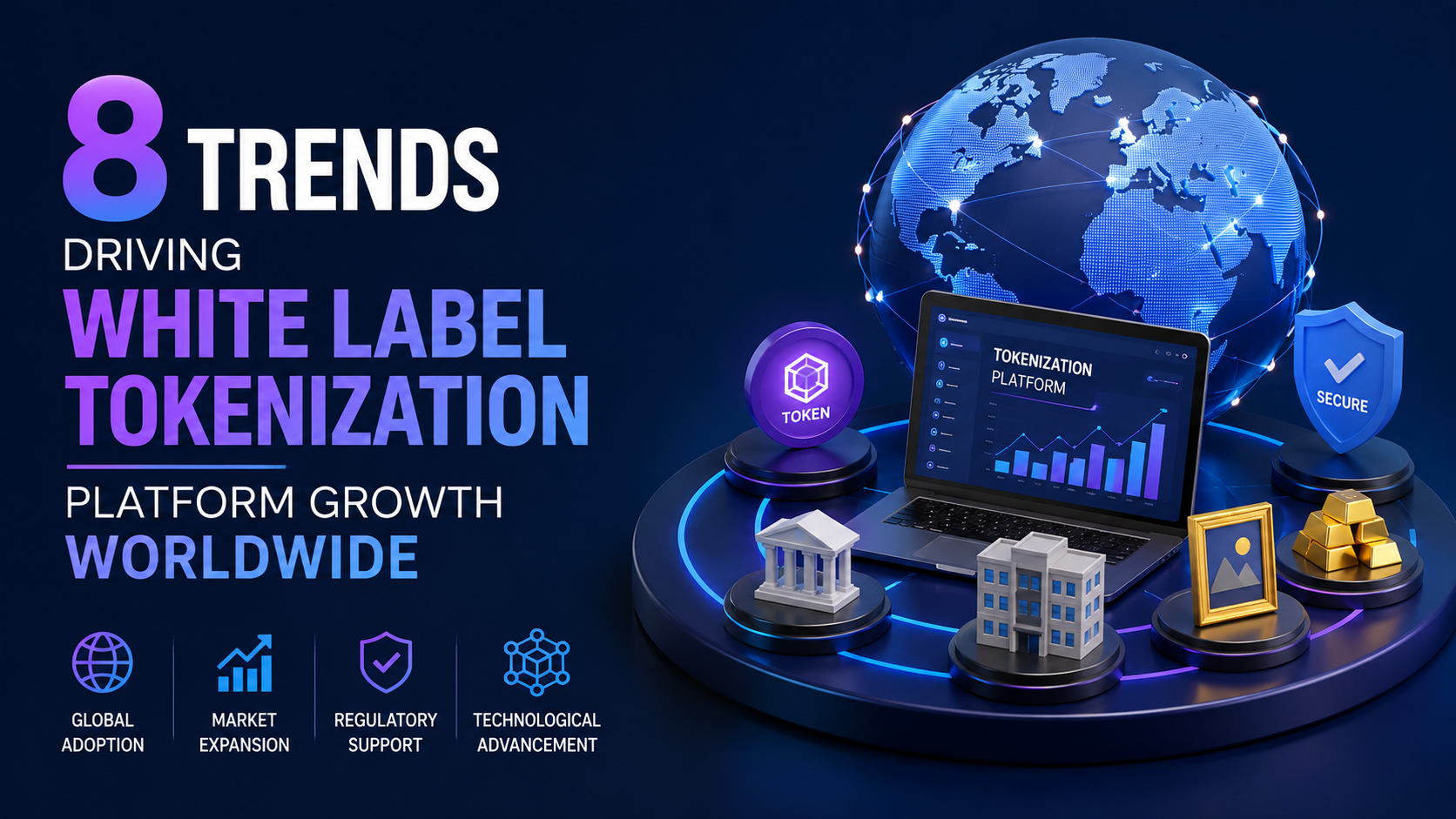 ership systems. Real estate companies, investment firms, startups, and financial institutions are all participating in this movement for different reasons. Faster fundraising, broader investor access, digital ownership management, and international investment opportunities are contributing to worldwide adoption. As regulations continue developing and digital finance infrastructure matures, tokenization platforms may become more common across multiple industries. Businesses seeking faster market entry are increasingly choosing White Label Real Estate Tokenization, White Label Real Estate Tokenization Platform, and White Label Real Estate Tokenization Development solutions to participate in this evolving market. Blockchain App Factory provides White Label Real Estate Tokenization Services for businesses planning to enter the digital asset and tokenized investment sector.
 seobacklinkservice
  umar khatri