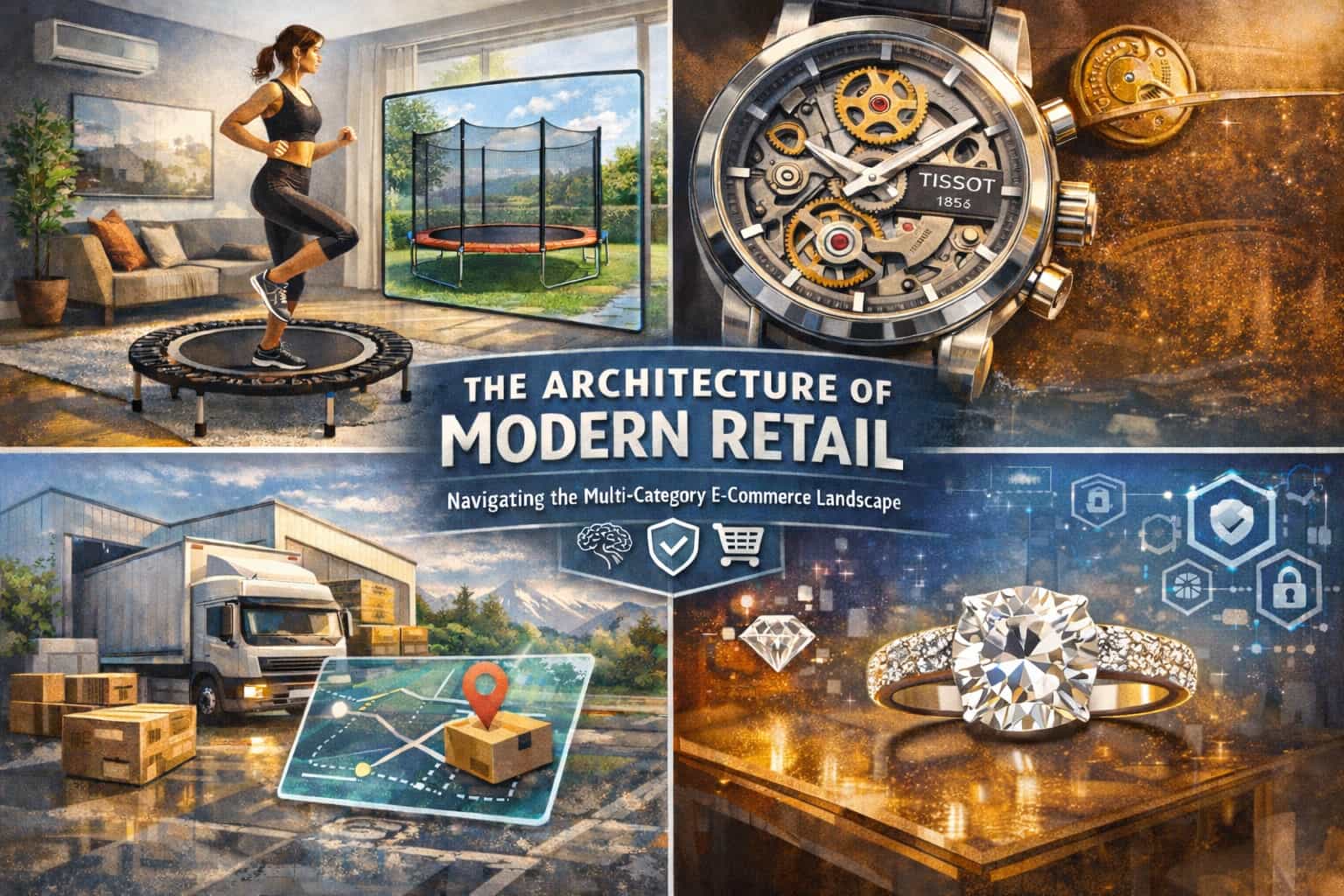
The Architecture of Modern Retail: Navigating the Multi-Category E-Commerce Landscape
The e-commerce landscape of 2026 is no longer defined by simple transactions; it is defined by integrated digital experiences. For brands looking to scale, the “single-niche” philosophy is evolving into a “lifestyle ecosystem” model. This shift requires a sophisticated approach to web development, user experience (UX), and logistics. Whether a retailer is selling entry-level wellness products or high-end luxury goods, the technical foundation remains the most critical factor in determining long-term viability.
As we move further into an era dominated by AI-driven personalization and headless commerce, the challenge for developers and store owners is to maintain brand consistency while catering to the vastly different purchasing behaviors of diverse consumer segments. A customer looking for backyard fun has a different psychological profile and set of concerns than a collector seeking a precision timepiece. Bridging these gaps requires a deep understanding of data, design, and digital trust.
Capitalizing on the “Micro-Wellness” Movement
One of the most resilient trends in recent years is the transition toward compact, home-based health solutions. As urban living spaces become more optimized, consumers are gravitating toward high-impact, low-footprint fitness tools. From a digital marketing perspective, selling a mini trampoline is less about the hardware and more about the “rebounding” lifestyle—focusing on lymphatic drainage, cellular health, and high-intensity interval training (HIIT) that fits into a busy schedule. For e-commerce stores, this means utilizing high-velocity video content and “shoppable” social media feeds that demonstrate the product’s quiet operation and ease of storage. Success here is found in the “unboxing” experience and the community-driven content that follows, encouraging users to share their fitness milestones.
Solving the Logistics of Oversized Inventory
While small fitness gear is easy to ship, the dynamics shift dramatically when dealing with heavy, recreational equipment. The logistics of an Outdoor trampoline present a unique set of hurdles, from high shipping surcharges to the necessity of clear, interactive assembly guides. To optimize conversion rates for bulky items, e-commerce platforms must integrate advanced “Big and Bulky” shipping APIs that provide real-time, accurate delivery windows based on the user’s geolocation. Furthermore, implementing Augmented Reality (AR) “place-in-space” features is no longer a luxury; it is a necessity. By allowing a parent to see exactly how much yard space the equipment will occupy, brands can reduce “buyer’s remorse” and significantly lower the return rates that often plague the outdoor recreation sector.
The Precision of Luxury Horology E-Commerce
Moving from the backyard to the jeweler’s case, the digital requirements become even more stringent. When a retailer carries a historic Swiss brand like Tissot, the website acts as a digital flagship store that must reflect the heritage and precision of the craftsmanship. This segment of the market relies heavily on “Trust Signals.” Authorized dealer badges, high-resolution macro photography that shows every gear and dial texture, and an ultra-minimalist UI are essential. The goal is to remove friction and create an atmosphere of exclusivity. In 2026, this also involves integrating blockchain-based “Digital Passports” for products, ensuring that the customer has an immutable record of authenticity and ownership from the moment they click “purchase.”
Navigating the High-Stakes World of Fine Jewelry
The ultimate test of a platform’s security and credibility is the online sale of high-ticket emotional purchases. Marketing Diamond rings requires a sophisticated blend of education and empathy. The user journey is rarely linear; it involves multiple touchpoints, deep-dive research into the “Four Cs” (Cut, Color, Clarity, and Carat), and a high level of anxiety regarding shipping security. To win in this space, e-commerce stores must provide transparent GIA or IGI certifications, offer 360-degree 4K video inspections, and provide a seamless “Virtual Try-On” experience. The checkout process must be reinforced with multi-factor authentication and high-limit payment options like specialized financing or crypto-settlements to cater to the modern, affluent shopper.
The Technical Backbone: Performance and Headless Commerce
Scaling a store that handles everything from fitness gear to luxury watches requires a robust technical stack. Many brands are moving toward “Headless Commerce,” where the front-end user interface is decoupled from the back-end logic. This allows for lightning-fast load times, which is a critical ranking factor for Google’s Core Web Vitals. When a site loads in under two seconds, the bounce rate drops by up to 50%. For an e-commerce agency like Zam Studios, the focus is often on ensuring that the API-first architecture can handle surges in traffic during seasonal peaks while maintaining a secure environment for sensitive customer data.
Data-Driven Personalization and AI Integration
The glue that binds a multi-category store together is intelligent data utilization. Artificial Intelligence (AI) now allows retailers to predict customer needs before they arise. If a customer has recently purchased outdoor equipment, the recommendation engine shouldn’t just show more of the same; it should suggest complementary lifestyle items. By analyzing browsing behavior and purchase history, brands can create hyper-personalized email flows and SMS marketing that feel like a concierge service rather than a generic advertisement. This “predictive commerce” is the key to increasing Lifetime Value (LTV) and reducing the Customer Acquisition Cost (CAC) over time.
Security and Ethical Sourcing as Brand Pillars
In 2026, consumers are more conscious than ever about where their products come from and how their data is handled. Ethical sourcing narratives—whether it’s the recycled steel in fitness equipment or conflict-free origins of gemstones—must be woven into the product descriptions. Simultaneously, cybersecurity is a top-of-mind concern. Implementing Zero Trust Architecture and ensuring GDPR/CCPA compliance across all touchpoints is not just about legal safety; it is about building a brand that the consumer feels safe returning to. A single data breach can destroy a decade of brand equity, making security the most important “feature” of any modern e-commerce site.
The Future of Integrated Digital Retail
As the line between physical and digital retail continues to blur, the brands that thrive will be those that master the art of “phygital” integration. This includes offering “Buy Online, Pick Up In-Store” (BOPIS) options, hosting live-stream shopping events, and utilizing AI chatbots that provide genuine expert-level advice. The complexity of managing diverse inventories—ranging from heavy-duty steel frames to delicate luxury components—requires a unified management system that provides a “single source of truth” for inventory, pricing, and customer support.
The evolution of e-commerce is a journey toward greater transparency, faster speeds, and deeper emotional connections. By focusing on the unique needs of each product category while maintaining a high standard of technical excellence, retailers can build a resilient digital presence. The winners in the coming years won’t just be those with the best products, but those who provide the most seamless, secure, and intuitive journey from the first click to the final delivery.

 Wheeler Skinner
  bloggersurya