
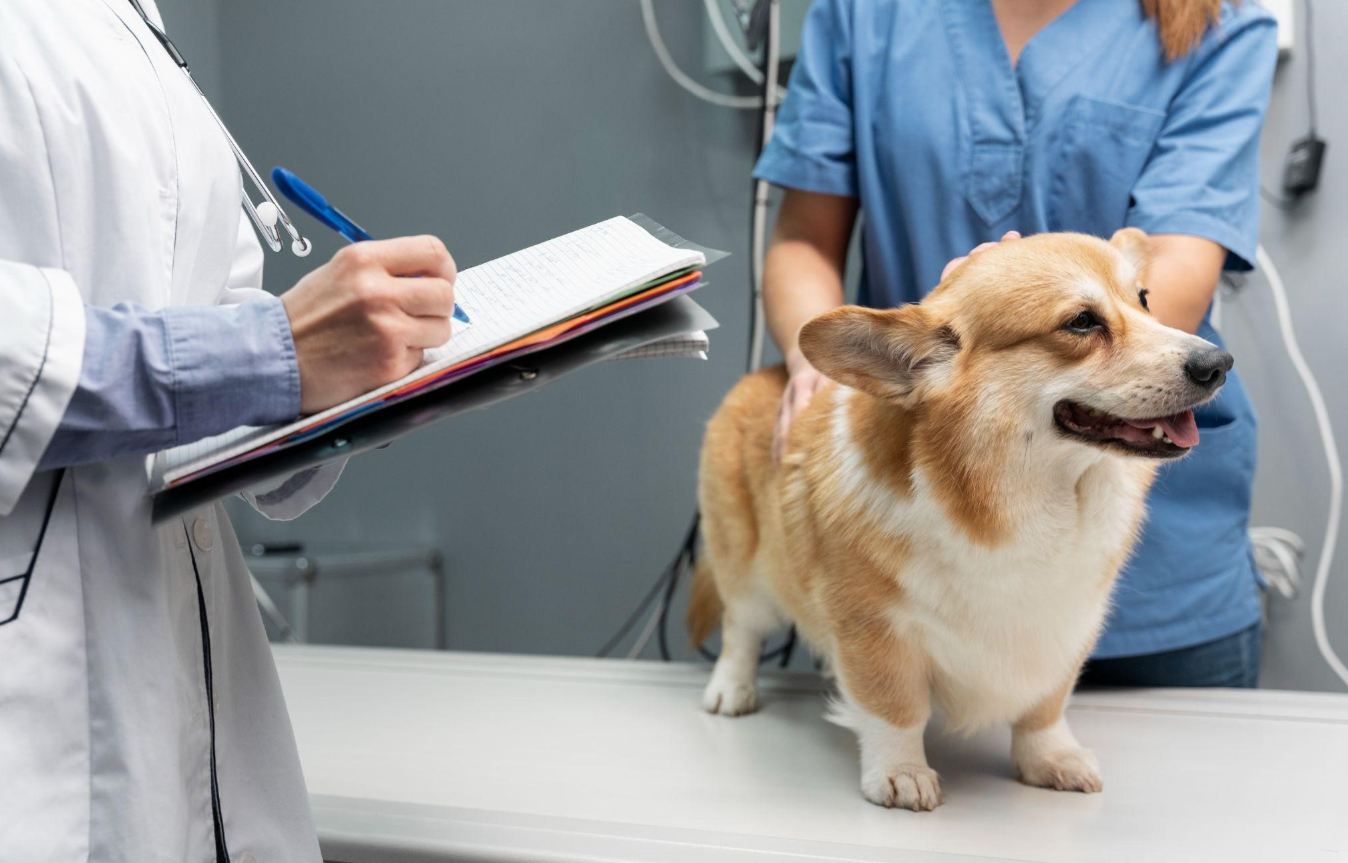
Emergency Pet Care in Dubai: What to Do in the Critical First Hour
In a city that never sleeps, pets can face crises at any time—from sudden seizures to heat-induced collapse on a late-night walk. When trouble strikes, minutes matter. The first hour after an incident is when calm, informed action can save a life. Recognizing danger signs and moving quickly toward emergency veterinary care sets the stage for the best possible outcome. That means knowing the symptoms that demand immediate attention and the steps to stabilize your pet safely while arranging urgent transport to a 24/7 veterinary clinic.
Common red flags that require immediate care include difficulty breathing or open-mouth breathing, continuous vomiting or retching, bloat (a swollen, painful abdomen), seizures, repeated collapse or fainting, pale or blue gums, uncontrolled bleeding, sudden paralysis or inability to walk, exposure to toxins (like xylitol, rat poison, or certain plants), and trauma such as falls or road accidents. A male cat who is straining to urinate, crying in the litter box, or producing only drops of urine may be experiencing a urinary blockage—this is an absolute emergency that can become life-threatening within hours without swift treatment.
Dubai adds unique risks. Severe heat and humidity magnify the danger of heatstroke, especially for brachycephalic breeds (French Bulldogs, Pugs) and elderly or overweight pets. High-rise living increases fall hazards for curious cats, and balcony safety screens are essential. At the beach, pets can swallow saltwater, sand, or foreign objects like fishhooks; desert excursions may expose paws to scalding ground temperatures. Even brief midday outings can push a pet into heat distress, so rapid recognition—excessive panting, drooling, disorientation—must trigger immediate action.
For first aid, keep it simple and purposeful. Call the nearest 24-hour vet while you are preparing to leave—professional guidance on the phone can prevent harmful missteps. If heatstroke is suspected, initiate gentle cooling with room-temperature water on the body and a fan; avoid ice-cold water, which can constrict blood vessels and slow cooling. Control bleeding with firm, steady pressure using clean cloth or gauze. Do not give human medications, food, or activated charcoal unless specifically instructed by a veterinarian. If your pet is in pain or frightened, create a soft makeshift muzzle with a bandage or cloth (never for vomiting animals) and move them carefully to avoid worsening injuries.
Safe transport can be lifesaving. Use a sturdy carrier for cats and a harness or secure crate for dogs to prevent sudden movement in the car. Keep the pet cool and calm; for heat concerns, run the AC or direct airflow without overchilling. For those without a car, ride services that allow animals can be a backup—book pet-friendly options and notify the driver that you are heading to an emergency vet. Focus on getting to the clinic that can see you soonest rather than the one closest by if advised by a professional on the phone.
Choosing and Preparing for a True 24/7 Veterinary Clinic
Not all after-hours clinics are equal. Selecting the right emergency veterinary hospital before you need one removes guesswork in a crisis. Look for teams experienced in critical care, with veterinarians and nurses on-site overnight rather than simply on-call. A strong facility will provide triage on arrival, clear communication about wait times based on urgency, and the ability to pivot rapidly from diagnosis to definitive treatment. Consistency matters: the best emergency centers maintain the same high standard of care at 3 a.m. as they do at midday.
Evaluate equipment and capabilities. A fully prepared hospital will have point-of-care diagnostics like in-house blood work and electrolytes that return results within minutes, as well as digital X-ray and ultrasound to quickly identify internal problems. Oxygen therapy (including oxygen cages), IV pumps, heat support, and a monitored ICU area indicate readiness for unstable cases. Emergency surgery availability is vital for life-threatening issues such as internal bleeding, gastric dilatation-volvulus, or cesarean sections. Isolation rooms help protect patients when infection is a concern, and the ability to perform blood transfusions adds a crucial safety net.
People and process shape outcomes as much as tools. A responsive front-desk team, trained triage nurses, and clear consent and estimate procedures reduce stress during intense moments. Multilingual communication is often helpful in Dubai’s international setting. After stabilization, a good clinic coordinates with your regular veterinarian to ensure continuity of care and detailed discharge instructions. Ask how they handle overnight updates, how frequently patients are reassessed, and whether a doctor is physically present at all times. These policies tell you how intensively your pet will be monitored.
Preparation goes beyond choosing a hospital. Build a simple emergency plan: store the clinic’s number in your phone, tag the location on your maps app, and keep a small “go-bag” near the door. Include your pet’s vaccination booklet, a copy of medical records, current medication list, a leash or harness, a soft muzzle, clean towels, and spare charging cables. Keep a collapsible water bowl and consider a cooling mat for travel in hot months. Ensure your pet’s microchip and Dubai registration are current so they can be identified quickly if separated during a crisis.
Financial readiness reduces last-minute delays. Emergency care often requires a deposit, and costs vary with the complexity of diagnostics, the need for hospitalization, surgery, or overnight monitoring. Ask about accepted payment methods, whether direct insurance settlement or third-party reimbursement is supported, and how estimates are updated as treatment progresses. The best clinics explain options compassionately, prioritize lifesaving steps, and help you understand the medical reasoning behind each recommendation so you can make informed decisions quickly.
Real-World Dubai Scenarios, What to Expect, and How to Act Fast
Consider a common Dubai emergency: a dog overheats after a late-afternoon park visit. Signs escalate from heavy panting to drooling and stumbling. Immediate actions—moving to AC, offering small sips of water, applying cool (not cold) water to the belly and paws, and calling the clinic—set recovery in motion even before arrival. At the hospital, triage may include rectal temperature, oxygen support, IV fluids, and lab tests to check for organ stress or clotting issues linked with severe heat injuries. Early, decisive care helps prevent complications and can shorten ICU time.
Another frequent case is a male cat with a urinary blockage. A guardian notices straining, crying, and repeated litter box trips with no urine. This is an emergency that cannot wait. At an emergency vet, the team swiftly assesses hydration, pain, and heart rhythm, then relieves the obstruction with a urinary catheter under sedation or anesthesia. Stabilization includes IV fluids, electrolyte correction, and pain relief, followed by monitoring and dietary changes to reduce recurrence. Delay can lead to life-threatening electrolyte shifts and kidney damage; fast action saves lives and future kidney function.
Toxin exposure is a stealthy threat. Sugar-free gum containing xylitol, certain human pain medications, and rodenticides are among the most dangerous for pets. If ingestion is recent, the clinic may induce vomiting safely and administer activated charcoal. Blood sugar and liver enzymes are monitored closely in xylitol cases, with dextrose support when needed. Do not attempt home remedies; many “internet cures” waste time or worsen the situation. A prepared hospital with an in-house lab shortens the window between suspicion and targeted treatment, which is crucial for toxic exposures.
Knowing the flow of an emergency visit reduces anxiety. On arrival, triage staff quickly classify urgency; critical pets go straight to treatment while stable cases may wait. Diagnostics—blood tests, X-rays, ultrasound—are performed as needed, and you’ll receive an initial estimate for stabilization and a care plan that evolves with findings. Some pets remain for ICU monitoring with continuous vital checks, oxygen therapy, and pain control, while others are discharged with medications and strict at-home instructions. Expect periodic updates, especially overnight, and ask what criteria your pet must meet to safely go home.
Being ready with a trusted resource streamlines everything. Keep a one-tap link to emergency services such as 24 hour vet dubai so you can call before you even reach the car. Create a visible note on your fridge or phone lock screen listing your clinic, backup clinic, and after-hours number. Rehearse the basics—carrier location, elevator route, parking options—so they’re second nature when adrenaline is high. After any emergency, schedule a follow-up with your primary vet, restock your “go-bag,” and review what worked and what you’ll change next time, turning a stressful experience into a stronger safety plan.
 customclosetsus@gmail.com
  terralinklogistics
  aseo88555