
International shipping has entered a complex era where global logistics networks face constant pressure from geopolitical shifts, environmental regulations, and infrastructure bottlenecks. In 2026, the industry continues to grapple with extended transit times as major maritime routes reroute around geographical chokepoints, sometimes adding 10 to 20 days to a single voyage. When your cargo is caught in this web of uncertainty, the difference between a minor setback and a supply chain disaster lies in your immediate response and the quality of your logistics partnership.
TerraLinkLogistics offers international freight and forwarding services that prioritize transparency and proactive communication, which are essential tools when navigating these modern disruptions. Understanding the current landscape is the first step toward reclaiming control over your inventory and maintaining customer trust.
Step 1: Verification and Immediate Documentation
The moment a delay is suspected, your first action must be grounded in data rather than panic. In the current logistics environment, “delayed” can mean anything from a 24-hour port congestion hold to a three-week rerouting around the Cape of Good Hope.
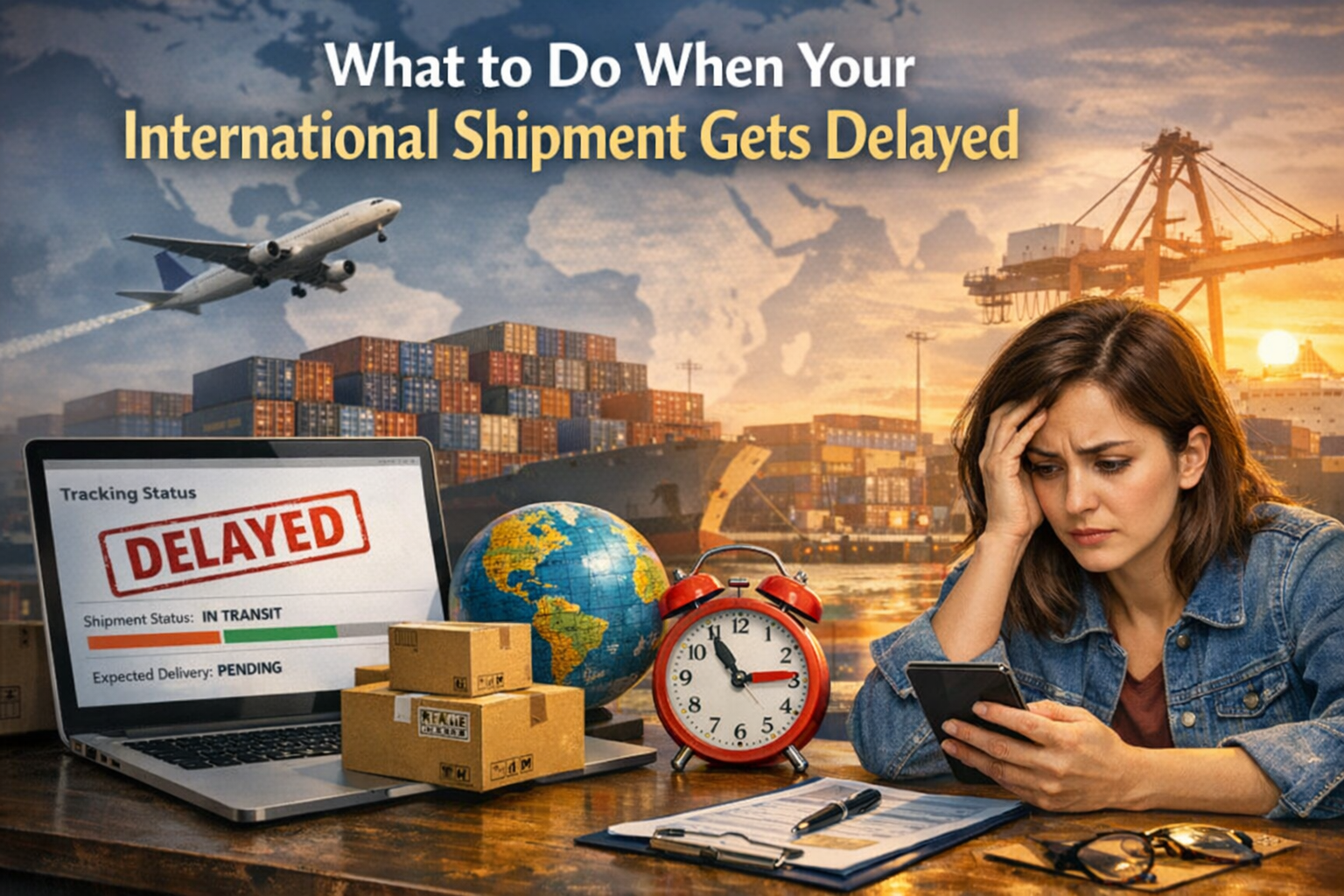
- Validate the Status: Use your carrier’s digital tracking portal to confirm the last known GPS coordinates or status update of your shipment. Many modern carriers now integrate IoT sensors to provide real-time visibility.
- Audit Your Paperwork: Gather your Bill of Lading, commercial invoice, and packing slip. Ensure that all Harmonized System (HS) codes are accurate. According to Wikipedia, these codes are the universal language for identifying goods, and even a single digit error can lead to a lengthy customs hold.
- Check for Regulatory Compliance: In 2026, new regulations like the EU’s expanded Emissions Trading System and Canada’s forced labor reporting requirements have added layers of scrutiny. Ensure your shipment complies with these specific regional mandates to rule out legal impounds.
Step 2: Communication and Mitigation Strategies
Once you have verified the delay, the focus shifts to minimizing the “domino effect” on your operations. A delay in one corridor can quickly lead to inventory imbalances or missed seasonal sales windows.
- Engage Your Freight Forwarder: Contact your logistics provider immediately. A professional partner will have access to “inside” information that public tracking portals might lack, such as specific port labor strikes or vessel “blank sailings.”
- Notify Stakeholders: Be transparent with your customers or production teams. Providing a revised delivery estimate based on current Google News reports regarding global shipping trends shows professional integrity and allows others to adjust their schedules.
- Evaluate Multi-modal Alternatives: If a sea freight shipment is critically delayed, consider “splitting” the remaining journey. For example, moving the cargo to air freight at a transit hub can shave weeks off the final delivery time, even if it comes at a higher cost.
Step 3: Protecting Your Financial Interests
Shipping delays often carry hidden costs, including demurrage (fees for containers staying in port too long) and detention (fees for keeping equipment outside the terminal).
- Review Your Insurance Policy: Check if your marine cargo insurance covers “loss of market” or specific delay-related expenses. Most standard policies cover physical damage, but premium tiers may include clauses for transit interruptions.
- File “Notice of Intent to Claim”: If the delay is due to carrier negligence or a breach of contract, you may need to file a formal notice early. This preserves your right to seek compensation later, even if the final damages are not yet calculated.
- Leverage Professional Insights: Business leaders often look to Forbes for strategies on building resilient supply chains. The consensus for 2026 is a shift from “Just-in-Time” to “Just-in-Case” inventory models, where holding a 2 to 3 week buffer of stock becomes a standard operational necessity.
Conclusion and Call to Action
While international shipment delays are an inherent risk in global trade, they do not have to be catastrophic. By maintaining rigorous documentation, utilizing multi-modal flexibility, and choosing a logistics partner that leverages modern technology, you can navigate the volatility of 2026 with confidence.
 Leo Jackson
  bestintownrepair