
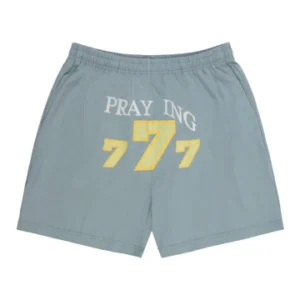
Praying is an essential part of spiritual life, serving as a bridge between humans and the Divine. Across various religions, prayer is a medium to express gratitude, seek guidance, ask for forgiveness, and find inner peace. Beyond its spiritual significance, praying has numerous psychological and emotional benefits. Studies have shown that regular prayer can reduce stress, enhance mental clarity, and increase overall well-being. For many, prayer is not just a ritual but a lifestyle that cultivates mindfulness, discipline, and a deeper connection to one’s faith.
Praying can take multiple forms, including silent meditation, vocal recitation, or physical expressions such as bowing, kneeling, or prostration. The method and frequency of prayer may vary depending on religious traditions, personal beliefs, or cultural practices. Regardless of the form, the core essence of prayer remains the same: establishing a meaningful connection with a higher power. It is through this connection that individuals find comfort, hope, and resilience in challenging times.
Understanding Prayer Clothing
Prayer clothing, often referred to as attire suitable for worship, plays a crucial role in religious observances. Many faiths emphasize wearing clean, modest, and respectful clothing during prayer. In Islam, for instance, men and women are required to dress in modest attire during Salah, ensuring that the body is properly covered. Similarly, in Christianity, specific garments may be worn during church services or formal prayers, signifying reverence and devotion. Even in Hinduism and Buddhism, traditional attire or clean clothing is preferred during rituals and temple visits.
The purpose of praying clothing is multifaceted. First, it demonstrates respect toward the sacred act of worship. Second, it helps the individual focus on prayer without distractions caused by inappropriate or uncomfortable clothing. Third, prayer clothing often signifies purity, both physical and spiritual, reminding the worshipper of the sanctity of the prayer environment. In many cultures, specific colors or types of garments are associated with prayer, symbolizing spiritual themes such as peace, humility, or devotion.
Types of Prayer Clothing
Prayer clothing varies widely across religions and cultures. In Islam, men often wear a simple garment such as a thobe or kurta, while women wear a hijab, abaya, or other modest coverings. The clothing is designed to cover the body appropriately and maintain modesty. For Christians, prayingg clothing may include dresses, skirts, or suits for women and formal shirts and trousers for men, especially in traditional or formal church settings. Hindu worshippers often wear clean sarees, dhotis, or salwar kameez during rituals, while Buddhists may wear robes or simple traditional attire during meditation and temple visits.
Modern adaptations of prayer clothing have also emerged, balancing tradition with comfort and practicality. For example, lightweight, breathable fabrics are preferred in hot climates, and simple, easy-to-wear garments allow for prolonged periods of prayer or meditation. Many people now also use prayer mats, scarves, or shawls as part of their prayer attire, ensuring comfort and cleanliness during worship. Regardless of style, the core principle remains the same: the clothing should be respectful, modest, and conducive to spiritual focus.
The Spiritual Significance of Prayer Clothing
Prayer clothing is not merely a physical requirement; it holds profound spiritual significance. Wearing clean and appropriate attire signals readiness to engage in a sacred act. It is a form of respect toward the Divine and acknowledgment of the sanctity of the prayer ritual. In many traditions, prayer clothing is seen as a symbolic shield that protects the mind and heart from worldly distractions, allowing for complete devotion and concentration.
Moreover, prayer clothing fosters a sense of discipline and mindfulness. Preparing for prayer by wearing clean and modest clothing becomes a ritual in itself, reminding the worshipper of the sacredness of the moment. This practice also reinforces spiritual identity and communal belonging, as many religious groups share common dress codes during worship. The act of dressing appropriately for prayer is, therefore, an outward expression of inner devotion and spiritual consciousness.
How to Choose the Right Prayer Clothing
Selecting the right prayer clothing involves considering modesty, comfort, and cultural or religious guidelines. Comfort is key because prayer often involves physical postures such as kneeling, bowing, or prostration. Loose-fitting garments made from breathable fabrics allow free movement and reduce discomfort. Modesty is another important factor; clothing should cover the body according to religious requirements, ensuring the worshipper remains focused on prayer rather than appearance.
Color and cleanliness are also important considerations. Light and neutral colors are often preferred in many religious traditions, symbolizing purity and humility. Ensuring that clothing is clean and well-maintained demonstrates respect for the sacred act of prayer. Accessories should be minimal, as excessive jewelry or decorative elements can be distracting. Ultimately, the best prayer clothing is one that aligns with religious teachings, enhances concentration, and provides comfort during worship.
Benefits of Wearing Prayer Clothing
Wearing appropriate prayer clothing offers multiple benefits beyond spiritual symbolism. Physically, it ensures comfort during prolonged periods of worship. Mentally, it helps create a focused and respectful mindset, reducing distractions from everyday life. Spiritually, prayer clothing reinforces the sanctity of the prayer ritual and fosters a sense of connection with the Divine. It also strengthens communal identity, as shared dress codes often symbolize unity and collective devotion within religious communities prayingclothing.com
Additionally, prayer clothing can enhance self-discipline and mindfulness. Preparing for prayer by dressing appropriately becomes a conscious practice, reminding the worshipper of the importance of dedication, sincerity, and respect. Over time, this habit fosters a deeper spiritual routine, making prayer not just a daily obligation but a meaningful and enriching experience.
Modern Trends in Prayer Clothing
In recent years, prayer clothing has evolved to accommodate modern lifestyles while maintaining traditional values. Many brands now offer modest fashion lines that are both stylish and functional, allowing individuals to adhere to religious requirements without compromising on comfort or aesthetics. Lightweight fabrics, adjustable garments, and versatile designs cater to people who may pray multiple times a day in different settings, including at home, work, or public spaces.
Online communities and social media have also influenced prayer clothing trends, showcasing how modest fashion can be contemporary, fashionable, and spiritually appropriate. These trends encourage younger generations to embrace their faith while expressing personal style. Despite these modern adaptations, the core values of modesty, cleanliness, and respect remain central to prayer clothing.
Prayer Clothing for Children
Introducing children to prayer clothing from a young age helps instill respect, discipline, and awareness of religious practices. Children’s prayer attire is often designed to be comfortable and easy to wear, ensuring they can participate fully in prayer without discomfort. Parents may choose lightweight, breathable fabrics and simple designs to make the process enjoyable and engaging for children. Teaching children the significance of prayer clothing also helps them understand the values of modesty, cleanliness, and devotion, laying a strong foundation for lifelong spiritual habits.
Cultural Variations in Prayer Attire
Prayer clothing is deeply influenced by cultural traditions. For example, in Middle Eastern countries, men often wear long robes called thobes, while women wear abayas and hijabs. In South Asia, traditional garments like salwar kameez, sarees, and dhotis are preferred for worship. In Western countries, formal attire such as dresses, skirts, shirts, and suits are common for church prayers. Despite these variations, the underlying principles remain consistent: modesty, cleanliness, and respect are universal values associated with prayer clothing.
How Prayer Clothing Enhances Concentration
Proper prayer clothing directly impacts concentration during worship. Wearing clean, modest, and comfortable garments helps the worshipper focus entirely on the spiritual experience. By minimizing distractions caused by inappropriate clothing, discomfort, or self-consciousness, prayer becomes more effective and meaningful. This heightened focus allows for deeper reflection, mindfulness, and connection with the Divine, enhancing the overall spiritual experience.
Practical Tips for Maintaining Prayer Clothing
Maintaining prayer clothing is essential to uphold its spiritual and practical significance. Regular washing, ironing, and proper storage ensure that garments remain clean, presentable, and ready for prayer at any time. Avoiding stains, tears, or worn-out clothing is important, as such issues can distract the worshipper and diminish the sanctity of the prayer. Investing in durable, high-quality fabrics also ensures longevity and consistent comfort during worship. For individuals who pray frequently, having multiple sets of prayer clothing can be practical, ensuring hygiene and convenience.
Conclusion
Prayer and prayer clothing are integral aspects of a devoted spiritual life. Prayer serves as a powerful tool for personal reflection, mental clarity, and emotional well-being, while appropriate clothing enhances the sanctity, comfort, and focus of the worship experience. By choosing modest, clean, and comfortable garments, worshippers demonstrate respect toward the Divine and reinforce the spiritual significance of their prayers. Whether through traditional attire or modern adaptations, prayer clothing continues to play a vital role in cultivating discipline, mindfulness, and a meaningful connection with faith.
Embracing the practice of wearing proper prayer clothing not only enriches the act of worship but also fosters a lifestyle rooted in respect, devotion, and spiritual awareness. From children to adults, across diverse cultures and religious practices, prayer clothing remains a timeless symbol of dedication, humility, and reverence.
 myrabtorp
  samanrosh3@gmail.com
  Maid Services Provider