
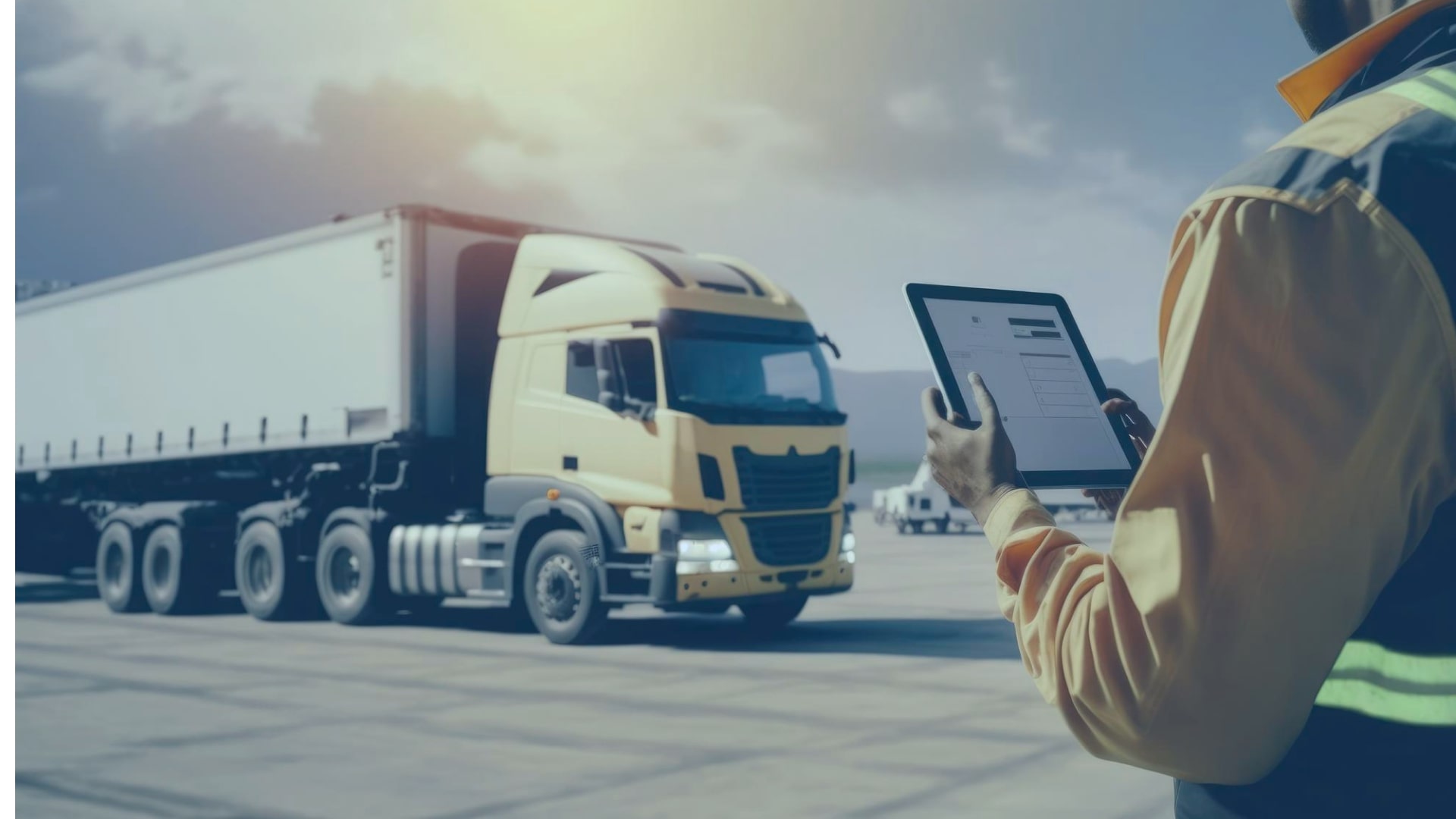
The world of truck maintenance and fleet management has seen significant technological advancements over the years. Heavy truck shop management software plays a crucial role in helping repair shops, fleet operators, and maintenance professionals streamline their operations. As technology evolves, these systems are becoming smarter, more integrated, and increasingly vital in driving efficiencies. In this article, we explore the future of heavy truck shop management software and how it’s shaping the industry.
1. Artificial Intelligence (AI) Integration
The integration of Artificial Intelligence (AI) into heavy truck shop management software is one of the most promising developments. AI-driven systems can analyze data from past repairs, customer preferences, and truck performance metrics to predict potential failures before they happen.
- Predictive Maintenance: By monitoring the performance of critical components, AI algorithms can predict when a part is likely to fail, allowing shops to perform preventive maintenance. This proactive approach minimizes downtime and increases the lifespan of the trucks.
- Automated Diagnostics: AI can be used to automatically diagnose common issues based on error codes, vehicle data, and historical patterns, making repair processes faster and more accurate.
2. Cloud-Based Solutions for Seamless Integration
Cloud technology is revolutionizing how heavy truck shops manage their operations. Cloud-based solutions provide real-time access to inventory, service history, work orders, and customer data, allowing for seamless integration across multiple locations.
- Remote Access and Collaboration: Shop owners, managers, and technicians can access the system from anywhere, facilitating remote work and multi-location coordination.
- Data Security and Scalability: Cloud-based platforms provide robust data security and can easily scale with business growth, allowing companies to expand without worrying about infrastructure limitations.
3. IoT-Enabled Tracking and Monitoring
The Internet of Things (IoT) is becoming an integral part of fleet management. With IoT devices installed on trucks, shop management software can receive real-time data on vehicle performance, including fuel consumption, tire pressure, engine health, and more.
- Real-Time Diagnostics: Sensors embedded in trucks can provide continuous monitoring of essential systems, alerting shops to issues in real time. This allows repair shops to prepare for repairs in advance and provides a more detailed diagnostic history.
- Fleet-wide Insights: IoT-enabled tracking allows fleet operators to view data from multiple trucks simultaneously, helping them identify patterns or recurring issues across their fleet.
4. Advanced Reporting and Analytics
Modern heavy truck shop management software is incorporating advanced reporting and analytics tools that give business owners and fleet managers deeper insights into their operations.
- Financial Insights: Software can track income, expenses, labor costs, and parts usage, providing actionable insights to optimize profit margins.
- Performance Metrics: Through data visualization, managers can easily identify trends in truck repair cycles, technician efficiency, and overall shop performance, allowing for informed decision-making.
- Customer Data Analysis: By analyzing customer behavior, shops can tailor their marketing efforts, manage customer relationships better, and offer targeted promotions.
5. Mobile Solutions for Technicians
The future of truck shop management software will include mobile apps that allow technicians to access the system directly from their smartphones or tablets while on the shop floor.
- Work Orders and Service History on the Go: Technicians can access detailed work orders, service histories, and repair instructions while working on a vehicle. This reduces the need for paper-based records and minimizes errors.
- Real-Time Updates and Communication: Mobile apps enable technicians to update job statuses, request parts, and communicate with other team members instantly, improving workflow efficiency and reducing delays.
6. Enhanced Customer Relationship Management (CRM)
The future of truck shop management software goes beyond operations and integrates robust customer relationship management (CRM) capabilities.
- Customer Retention Strategies: Automated reminders for maintenance services, loyalty programs, and personalized follow-up messages can keep customers engaged, improving retention rates.
- Online Scheduling and Payment: Integration of online booking systems and payment gateways makes it easier for customers to schedule appointments and pay for services. This enhances convenience and satisfaction for both customers and shop owners.
7. Automated Parts Management and Inventory Control
Managing parts and inventory efficiently is critical for any truck repair shop. Future software solutions will be equipped with advanced tools for inventory management that integrate with suppliers and track parts in real time.
- Automated Stock Alerts: The software will notify shop managers when parts are running low, automatically reorder items from suppliers, and even forecast future needs based on past usage patterns.
- Barcode Scanning: Barcode scanning functionality enables technicians to quickly check out parts, keeping inventory accurate in real time and reducing the chances of stockouts or overstocking.
8. Integration with Telematics and Fleet Management Systems
As trucks become increasingly connected through telematics, future heavy truck shop management software will integrate seamlessly with fleet management systems.
- End-to-End Fleet Maintenance: These systems will track vehicle health across an entire fleet, integrating maintenance schedules, repair histories, and telematics data into one unified platform.
- Smart Scheduling: Integration with fleet management software will allow for smarter scheduling of repairs and maintenance based on truck availability, mileage, and other critical metrics.
9. Customization and User-Friendliness
As more shops adopt advanced software, there’s a growing demand for customization and user-friendly interfaces. The future will see even more tailored solutions for specific types of shops, whether they’re focused on specific truck brands or types of repairs.
- User-Friendly Dashboards: With more customizable dashboards, shop managers will be able to view only the most relevant information and optimize their workflow.
- Integration with Other Business Functions: These systems will be able to integrate with accounting software, payroll systems, and HR tools, providing a single interface for all aspects of shop management.
10. Sustainability and Environmental Concerns
With the rise of electric trucks and stricter environmental regulations, future heavy truck management software will likely include sustainability-focused features.
- Eco-Friendly Practices: Shops may incorporate tracking for eco-friendly parts or services, helping customers make greener choices.
- Electric Truck Maintenance: As electric trucks become more common, software will evolve to manage the specific maintenance needs of these vehicles, such as battery health and electric powertrains.
Conclusion
The future of heavy truck shop management software is exciting and full of possibilities. As technology continues to evolve, these systems will offer unprecedented levels of automation, integration, and intelligence. By embracing these technologies, repair shops can optimize their operations, improve customer satisfaction, and stay ahead of the competition. The key to success will lie in selecting software solutions that align with the evolving needs of the industry while staying adaptable to future innovations.
 myrabtorp
  shadow
  asawaaa