
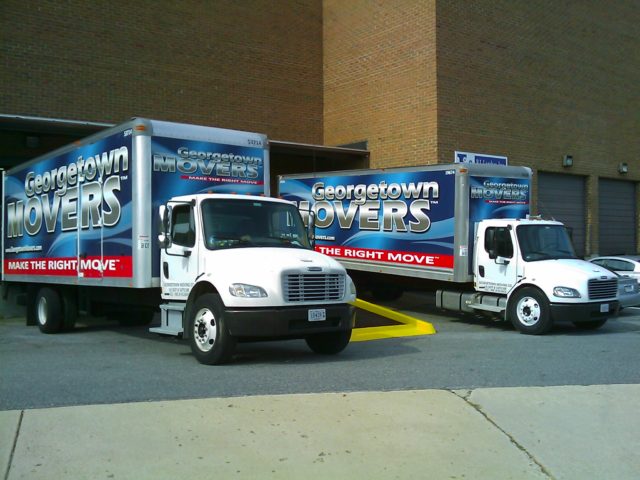
Moving fine art requires excellent care. Regular packing methods will not protect precious masterpieces. Professional movers have great regard for precious paintings and sculptures, and they know how to handle them with very specialized technical competence. They inspect each piece, independently, to see what it’s composed of, how heavy it is, and its weak spots before they even touch it. With this rigorous treatment, your prized collection will arrive at its destination scratch-free. The experts know how transportation works, and they make the often-difficult task of relocating these precious items a precise and secure procedure. This may seem like a lot to worry about every single corner of a frame, but anybody who has ever watched old paint peel knows that even the slightest vibration can do terrible, permanent harm.
The Initial Assessment for Valuable Masterpieces
The preparation begins long before a frame is ever wrapped in paper. Specialists evaluate every artwork to determine whether there is any damage or weak points that require special restoration. They look at the medium, the age of the paint, the structural integrity of the frame itself. This assessment defines the packing method and packing material for maximum safety. Well, it is not only examining for fractures; it is about how the item is going to behave when subjected to the constant motion of a long drive.
Different circumstances are needed to work with different media. An oil painting needs room to breathe, for example, whereas a delicate charcoal sketch needs to be shielded from static electricity. This is the phase where the pros prepare for climate control and vibration dampening. This thorough consideration means that the specific demands of each individual artwork are catered to on the journey. Sure, it’s hard to get the environment correct every second when on the road, but a baseline keeps the larger problems at bay.
Specialized Materials Shielding Delicate Art Surfaces
Regular cardboard and bubble wrap can do irreparable damage to the fragile surfaces of expensive oil paintings. The initial layer between the artwork and the packing is glassine paper, used by experts. It’s a smooth material that’s acid-free, moisture-resistant, and oil-resistant. It makes a barrier so nothing attaches to the paint to smear it. They glue it securely with a special artist tape that doesn’t leave sticky residue on the edges.
Once the main layer of protection is in place, movers add padding to absorb kinetic energy. They employ solid foam heavy-duty corner protectors to protect the most vulnerable parts of the frame. Then plastic wrap, layered and packed with air, a thick, shock-absorbing blanket. By layering the strategy, a floating environment is created that separates the artwork from the outside limitations. From the outside it may look like extra wrapping, but that thickness is just what keeps the canvas hanging away from hard strikes.
Building Strong Wooden Crates for Transport
The finest protection is supplied by specialists who utilize strong wooden cages built to the size of the job. These designs provide a strong exterior shell that can readily absorb external impacts and stresses transmitted within the truck. Inside the container is a molded foam liner that exactly matches the curvature of the frame. They are a snug fit, so nothing shifts about when you are driving.
Building means selecting good-quality wood that won’t deform in varying dampness. The wrapped art was placed into the enclosure by specialists, who were careful not to apply any excessive pressure to the work but also made sure it fit snugly. This is a tactic that is vital for transit since the use of skilled moving companies in Washington, DC, means that enormous crates are moved with the right equipment. The sealed container at the end is a bulwark against the unpredictable bumps of the road. Manual handling abilities are still the most critical feature here; it has to be lifted with care even with the toughest box.
Securing Sculptures and Three-Dimensional Pieces
Statues and 3-D objects are extremely difficult because of their odd shape and uneven weight distribution. Packers can’t just put them in a box and wrap them up. They assess the center of gravity so it doesn’t tip or bend when it’s being transported. For fragile extensions like with the arms of a statue, separate foam support pillars are installed to equally distribute the weight.
Normally movers would brace the inside of the crate, using the strongest pieces of the sculpture to hold it tight. This approach prevents the delicate parts of the artwork from ever touching the walls of the container. The device is suspended on a cushioned frame so that it will not have structural breakdown from vibrations, the technicians claimed. This contemporary technology is perfect for the protection of the fragile stone, glass, and ceramic works. It takes patience to balance delicate pieces; a wrong pressure point can snap ancient marble or porcelain.
Conclusion: A Reliable Solution for Fine Art Transport
Therefore, to sum-up, we need people with skills in packing museum grade for the valuable collection. Need to find high-value items? For professional moving and safe storage, call Georgetown Moving and Storage Company. Their experienced staff uses the best materials and proven processes so your treasures look like new. The good news is that, with their dedicated service, you are guaranteed a seamless experience for your most prized items. It is the transition experts on major assets that appreciate the historical and emotional value of art that help prevent irreversible damage. Your collection is kept completely safe, stable, and unspoiled during the entire voyage.
 gauravsharma
  reclinersindia