
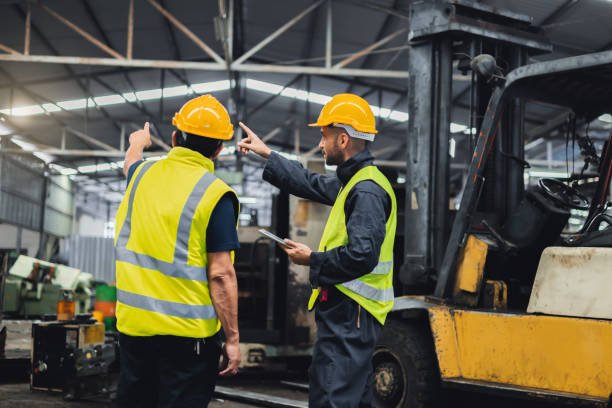
A worker enters a factory floor and notices exposed electrical wiring near a machine that employees use every day. Another worker continues lifting heavy materials without proper training because staffing shortages leave no time for safety instruction. Situations like these are more common than many organizations realize, and they highlight a serious issue: poor safety standards do not just create hazards, they also undermine basic employee rights.
Every worker has the right to perform duties in an environment that prioritizes health, safety, and wellbeing. When organizations fail to maintain proper standards, the consequences often extend beyond accidents and injuries. For students and professionals exploring occupational safety education, topics like NEBOSH Course Fee frequently become part of early research because structured safety training helps explain how workplace rights and risk management are closely connected.
Understanding Workplace Safety as an Employee Right
Workplace safety is not simply an operational requirement. It is a fundamental employee right supported by occupational health and safety regulations across many industries and regions.
Employees have the right to:
- Work in reasonably safe conditions
- Receive proper safety training
- Access protective equipment when required
- Report hazards without fear of retaliation
- Be informed about workplace risks
When these rights are ignored, workers become more vulnerable to injuries, stress, and long-term health problems.
A practical example can be seen in construction environments where workers may be expected to use scaffolding without proper fall protection. In such cases, the issue is not only physical danger but also the failure to provide legally and ethically acceptable working conditions.
How Poor Safety Standards Develop in Organizations
Unsafe environments rarely appear overnight. Poor safety standards often develop gradually due to weak management systems, inconsistent supervision, or pressure to prioritize speed over safety.
In many workplaces, outdated procedures remain in place long after operations have changed. Employees may continue using unsafe equipment simply because replacing or repairing it is delayed.
Common causes of weak safety standards
- Lack of regular safety inspections
- Inadequate employee training
- Poor communication between management and workers
- Failure to update safety procedures
- Weak enforcement of workplace rules
For example, a warehouse may expand its storage areas without updating emergency exit routes or evacuation plans. Over time, this creates confusion and increases risk during emergencies.
The Connection Between Unsafe Conditions and Employee Rights
When safety systems fail, employee rights are directly affected. Workers cannot perform effectively when they constantly face avoidable hazards or fear workplace injuries.
Poor safety standards often force employees into situations where they must choose between completing tasks and protecting themselves.
Ways poor safety standards violate employee rights
- Lack of access to protective equipment
- Unsafe workloads and excessive fatigue
- Exposure to harmful chemicals or environments
- Inadequate emergency preparedness
- Pressure to ignore safety procedures
A manufacturing worker exposed to excessive noise without hearing protection may eventually develop long-term hearing damage. In this case, the organization failed not only in safety management but also in protecting the worker’s health rights.
How Unsafe Workplaces Increase Accident Risks
Unsafe conditions create an environment where accidents become more likely. Small safety failures often combine over time until they result in serious incidents.
When workers operate in cluttered, poorly maintained, or poorly supervised environments, human error increases significantly.
Common workplace hazards linked to poor standards
- Slippery floors and blocked walkways
- Faulty machinery or damaged tools
- Inadequate lighting in work areas
- Missing warning signs and labels
- Lack of safety barriers or guards
For example, in logistics facilities, blocked pathways combined with rushed forklift operations can quickly lead to collisions or injuries.
Impact of increased workplace hazards
- More frequent accidents and near misses
- Reduced employee confidence and morale
- Operational delays due to incidents
- Increased absenteeism after injuries
- Higher stress levels among teams
These problems often become part of workplace culture if not corrected early.
Psychological Impact of Poor Safety Standards
Unsafe workplaces affect more than physical health. Employees working in hazardous environments often experience mental stress, anxiety, and reduced morale.
Workers who feel unprotected are less likely to trust management and more likely to disengage from safety programs.
Signs of psychological strain in unsafe workplaces
- Fear of reporting hazards
- Increased workplace tension
- Reduced communication among teams
- Higher employee turnover
- Loss of confidence in leadership
For instance, healthcare workers dealing with inadequate protective measures during high-risk tasks may experience constant stress and emotional exhaustion.
This psychological burden eventually affects productivity, teamwork, and overall workplace stability.
Why Strong Safety Standards Improve Organizational Stability
Organizations that maintain strong safety standards create more stable and productive environments. Employees work more confidently when they know their wellbeing is taken seriously.
Strong safety systems also reduce operational disruption because hazards are identified and controlled before incidents occur.
Benefits of effective safety standards
- Reduced workplace injuries
- Better employee morale and trust
- Improved compliance with regulations
- Stronger communication between teams
- More consistent operational performance
A construction company that conducts regular safety briefings and equipment inspections, for example, is more likely to prevent incidents and maintain efficient workflow.
Practical Steps Employers Can Take to Improve Safety Standards
Improving workplace safety requires continuous effort rather than one-time actions. Organizations must regularly evaluate whether existing procedures still match workplace realities.
Actionable ways to strengthen safety standards
- Conduct regular workplace inspections
- Update risk assessments after operational changes
- Provide ongoing employee safety training
- Encourage open hazard reporting
- Ensure supervisors actively monitor compliance
- Maintain equipment and protective systems consistently
For example, introducing weekly safety walkthroughs in manufacturing plants often helps identify hidden risks before they escalate into serious problems.
Building a Safety-First Workplace Culture
Safety standards become stronger when they are supported by workplace culture. Employees are more likely to follow procedures when leadership consistently demonstrates commitment to safety.
A positive safety culture encourages communication, accountability, and shared responsibility.
Characteristics of strong safety culture
- Employees feel comfortable reporting concerns
- Supervisors reinforce safety procedures daily
- Safety discussions are part of routine operations
- Workers receive recognition for safe practices
- Leadership responds quickly to identified risks
In practice, this could involve supervisors regularly discussing near misses during team meetings to improve awareness and prevention.
The Role of Professional Training in Workplace Safety Improvement
Strong safety standards depend heavily on knowledgeable professionals who understand risk management, employee rights, and hazard prevention strategies.
Structured safety education helps individuals recognize unsafe practices, conduct effective assessments, and implement safer systems in real workplace environments.
Training also improves understanding of how legal responsibilities connect with practical safety management.
Many learners exploring occupational safety pathways compare different educational options to build practical skills and industry knowledge. High-quality training institutes often focus on real-world case studies, workplace simulations, and compliance-based learning.
This is one reason why many professionals research opportunities related to NEBOSH in Pakistan when developing expertise in occupational health and safety systems.
FAQs
1. Why are workplace safety standards important?
They help protect employees from injuries, health risks, and unsafe working conditions while supporting overall workplace stability.
2. How do poor safety standards affect employee rights?
They expose workers to preventable hazards and deny them safe working conditions, proper training, and protective measures.
3. What are common signs of weak workplace safety systems?
Frequent accidents, poor communication, outdated procedures, and lack of protective equipment are common indicators.
4. Can poor safety standards affect mental wellbeing?
Yes, unsafe workplaces often increase stress, anxiety, and employee dissatisfaction.
5. How can organizations improve workplace safety standards?
Through regular inspections, updated training, strong leadership involvement, and active employee participation in safety practices.
6. Why is safety training important for employers and workers?
Training improves hazard awareness, strengthens compliance, and helps employees apply safe working practices effectively.
Conclusion
Poor safety standards do more than increase workplace hazards. They undermine employee rights, damage trust, and create environments where accidents and stress become more common.
Organizations that prioritize strong safety systems build healthier, safer, and more productive workplaces where employees feel protected and respected.
Ultimately, workplace safety is not only about compliance but about creating conditions where people can perform their responsibilities confidently without unnecessary risk to their health or wellbeing.
 seo.doctorsguardian@gmail.com
  Pratyam
  rk0833244@gmail.com