
Every property owner in Australia knows the sinking feeling when water starts pooling in unexpected places. A hidden pipe burst or slow-dripping roof leak can turn into a costly nightmare, not just from repairs but from insurance complications that follow. In a country prone to heavy rains, ageing infrastructure, and variable climates, these issues strike more often than we like. What many do not realise is that proactive water leak detection offers a straightforward path to better property insurance compliance. By identifying problems early, you safeguard your assets, meet policy requirements, and avoid claim denials that plague unprepared owners.
This post explores how leak detection strengthens your insurance standing. We cover the links between leaks, compliance risks, and solutions, backed by Australian standards and expert insights. Whether you manage a home, rental property, or commercial building, understanding these connections can save you thousands in premiums and disputes.
Understanding Property Insurance Requirements in Australia
Australian property insurance policies, governed by bodies like the Insurance Council of Australia (ICA), demand proof of maintenance and risk mitigation. Leaks count among the top excluded perils if deemed preventable. For instance, standard home and contents policies from providers like NRMA or Allianz often stipulate that owners must take “reasonable precautions” against water damage. Fail to do so, and claims get rejected.
Commercial properties face even stricter rules under the Australian Building Codes Board (ABCB) and state regulations, such as New South Wales’ Plumbing and Drainage Act 2011. Strata schemes in Queensland or Victoria must comply with body corporate bylaws that require regular inspections to prevent communal leaks. Non-compliance leads to higher premiums, coverage gaps, or fines from local councils.
Water leaks exacerbate these risks. They cause structural damage, mould growth, and electrical hazards, all of which insurers scrutinise during claims. A 2023 ICA report noted water damage as the second-most common claim type, with over 20 per cent denied due to poor maintenance evidence. Proactive detection flips this script by providing documented proof of diligence.
The Hidden Dangers of Undetected Water Leaks
Undetected leaks do more than wet your floors; they undermine insurance compliance in subtle ways. Small issues, like a pinhole in underground pipes, can go unnoticed for months, leading to expansive soil damage or subsidence. In Australia’s expansive suburbs, where clay soils expand and contract with moisture, this triggers foundation cracks that insurers classify as gradual deterioration, not sudden events.
Consider these common scenarios:
- Residential homes: A leaking hot water system behind walls leads to timber rot. Without detection records, insurers argue neglect, voiding claims.
- Rental properties: Tenants report damp patches, but delays in fixing allow mould to spread. Landlords face liability under Residential Tenancies Acts, plus insurance hikes.
- Commercial buildings: HVAC system leaks in offices cause ceiling collapses. Policies exclude business interruption if leaks were detectable via routine checks.
Beyond finances, health risks from mould affect tenants or employees, inviting legal action. The National Health and Medical Research Council highlights black mould’s respiratory dangers, making compliance a duty of care. Insurers now demand moisture logs and inspection reports, especially post-flood events in regions like Brisbane or Melbourne.
How Water Leak Detection Meets Compliance Standards
Water leak detection uses advanced, non-invasive tools to pinpoint issues before damage occurs. Acoustic sensors listen for water flow sounds, thermal imaging spots temperature anomalies from leaks, and pressure testing identifies drops in line efficiency. These methods align directly with insurance mandates for “preventative maintenance.”
For compliance, detection services provide:
- Timestamped reports with photos and data, serving as audit trails for insurers.
- Compliance with AS/NZS 3500 plumbing standards, proving adherence to national codes.
- Early intervention that qualifies for premium discounts; some insurers offer 5-10 per cent reductions for verified leak prevention programs.
In practice, scheduling bi-annual detections ensures you meet policy renewal checklists. For example, in flood-prone Sydney, properties with recent leak detection certificates renew policies faster and at lower rates. This not only complies but demonstrates foresight, a key factor in claims approval.
Integrating MGR Leak Detection into Your Compliance Strategy
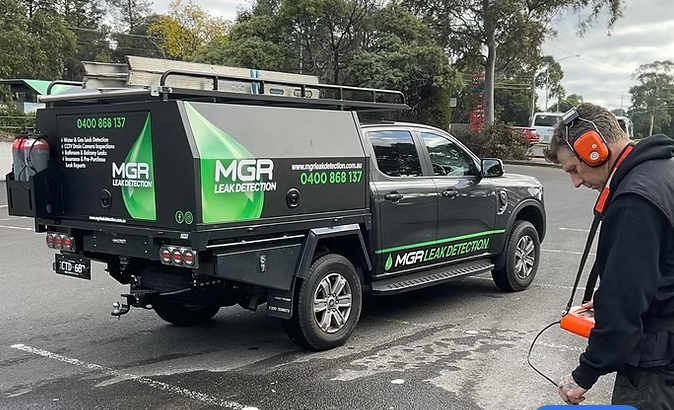
Specialist providers like <strong>MGR Leak Detection</strong> excel in delivering compliance-focused services across Australia. Their team uses state-of-the-art equipment to detect leaks in slabs, walls, pools, and irrigation systems without demolition. With years of experience serving residential, strata, and commercial clients, MGR emphasises detailed reporting tailored to insurance needs.
A typical engagement with MGR Leak Detection includes:
- Initial site assessment using acoustic and tracer gas methods.
- Full diagnostic report with risk ratings and recommended fixes.
- Follow-up verification post-repair, bolstering your insurance portfolio.
Clients report smoother claims; one Melbourne strata manager avoided a AU$50,000 denial after MGR’s documentation proved proactive steps. By partnering with experts, property owners turn detection into a compliance asset, reducing long-term costs.
Real-World Benefits and Case Studies
The payoff of leak detection shines in real cases. In Perth, a commercial warehouse faced rising premiums after repeated minor leaks. After implementing annual detections, the owner secured a 15 per cent discount and passed a council audit effortlessly. Insurers praised the electronic logs as “exemplary.”
Another example from the Gold Coast: A family home with undetected pool leaks suffered subsidence. Post-claim denial, they hired MGR Leak Detection. The service uncovered multiple issues, fixed them, and provided evidence for policy renegotiation, restoring full coverage.
Statistics back this up. A 2024 Master Plumbers Australia survey found properties with regular leak checks filed 30 per cent fewer claims and enjoyed 12 per cent lower premiums on average. These outcomes prove detection is not optional; it is a compliance booster.
Steps to Implement Leak Detection for Insurance Success
Ready to enhance your compliance? Follow this straightforward plan:
- Review your policy for maintenance clauses and note inspection frequencies.
- Choose certified technicians experienced in Australian conditions, like those from MGR Leak Detection.
- Schedule baseline detection, then quarterly or bi-annual follow-ups based on property age and location.
- Maintain digital records, sharing them during renewals or claims.
- Train strata committees or tenants on early warning signs, such as rising water bills or damp spots.
Combine this with smart tech, like leak monitors linked to insurers’ apps, for real-time alerts. Over time, you build a compliance history that impresses underwriters.
Long-Term Advantages Beyond Compliance
Leak detection improves insurance compliance while delivering broader wins. Energy savings from fixed drips cut bills by up to 10 per cent, per Water Corporation data. Environmentally, it conserves water in drought-hit areas like Adelaide. Properties become more marketable, with buyers favouring documented low-risk assets.
In strata settings, it fosters community trust and avoids disputes. For investors, it protects yields by minimising void periods from damage repairs.
Final Thoughts on Proactive Protection
Water leak detection stands as a cornerstone of property insurance compliance in Australia. It transforms potential liabilities into strengths, ensuring claims succeed and premiums stay manageable. Do not wait for the flood; act now with reliable services like those from MGR Leak Detection to secure your property’s future.
By prioritising detection, you join savvy owners who mitigate risks effectively. Your insurance provider will thank you, and your peace of mind will follow.
 bpifarnorthcoast@gmail.com
  thedesertstar
  thomas joeethan