
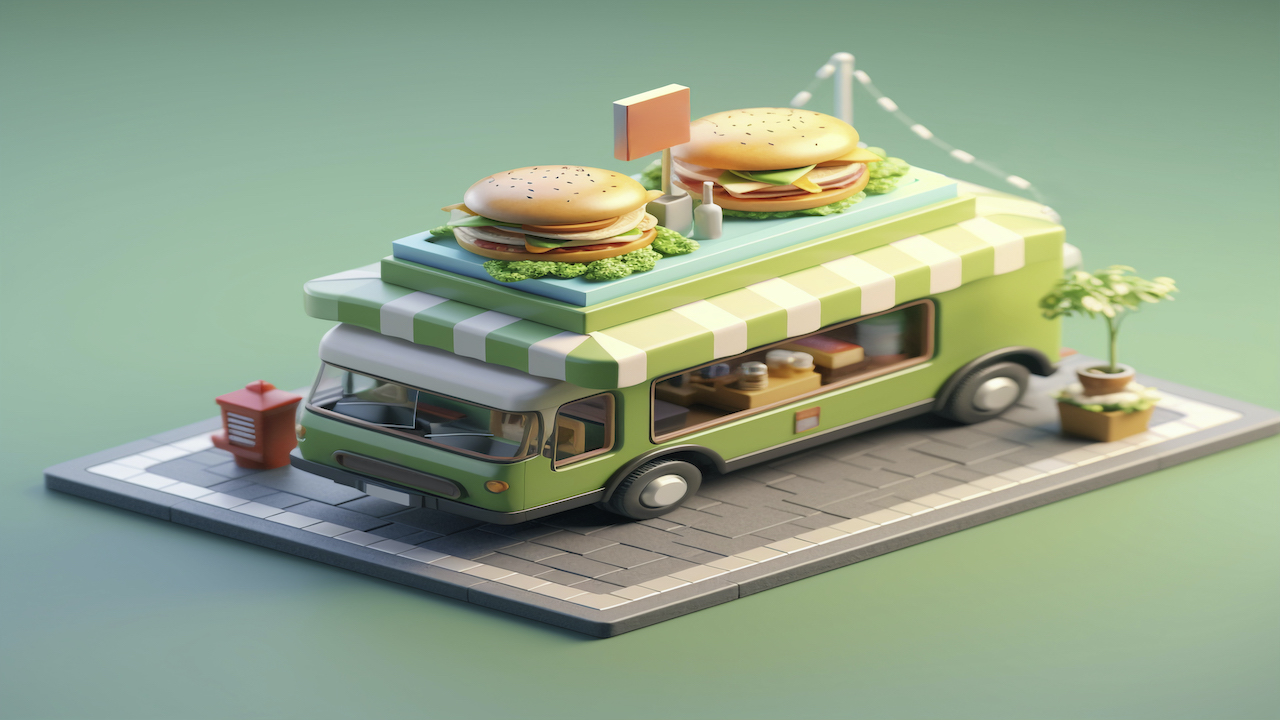
The food truck industry has always been dynamic, creative, and fast-moving. From gourmet burgers to fusion tacos and specialty coffee, mobile kitchens have reshaped urban dining culture. But in 2026, mobility alone is no longer enough. Digital visibility has become just as important as location. The big question many owners still ask is: do food trucks really need a website?
The short answer is yes—and more than ever before. Let’s explore why.
The Digital Shift in Customer Behavior
Consumers today rely heavily on online searches before making purchasing decisions. Whether someone is looking for lunch nearby, checking reviews, or browsing menus, their journey typically starts on Google.
Social media helps, but it’s not a complete solution. Platforms like Instagram and TikTok are great for engagement, yet they don’t offer full control over branding, search visibility, or customer data. A dedicated website acts as a digital headquarters—available 24/7 and fully owned by your business.
In 2026, if your food truck cannot be found online quickly and professionally, potential customers may move on to a competitor within seconds.
Credibility and Professional Branding
A website instantly boosts credibility. When customers see a clean, mobile-friendly site with your menu, schedule, story, and booking options, they perceive your brand as established and trustworthy.
Investing in food truck website development allows owners to showcase:
-
High-quality menu images
-
Real-time location updates
-
Catering options
-
Online ordering
-
Customer testimonials
-
Event calendars
Unlike social media profiles, a website presents everything in one organized space. It builds brand identity and reinforces professionalism.
Local SEO and Google Visibility
Search Engine Optimization (SEO) is a powerful growth driver for food trucks. When someone searches “best tacos near me” or “food truck downtown tonight,” your website can appear in results—if it’s optimized properly.
A strong local SEO strategy includes:
-
Google Business integration
-
Location-based keywords
-
Structured menu data
-
Mobile speed optimization
-
Customer review management
Many owners underestimate how much traffic comes from organic search. A well-optimized site can consistently bring in new customers without paid advertising.
Control Over Customer Experience
Relying solely on third-party platforms means giving up control. Delivery apps, social media, and event platforms dictate how your brand appears and how customers interact with you.
When you Build a food truck website, you control:
-
Design and branding
-
Promotions and special offers
-
Direct customer communication
-
Email list building
-
Data collection and analytics
Owning your digital platform reduces dependence on algorithm changes or commission-based marketplaces.
Online Ordering and Revenue Growth
Online ordering is no longer optional. Customers expect convenience. Even street food must adapt to digital expectations.
Integrating ordering functionality into your website can:
-
Reduce waiting lines
-
Increase average order value
-
Allow pre-orders for events
-
Improve operational efficiency
Some food truck owners also expand into catering or meal pre-orders. If you plan to scale, partnering with food delivery app development services can complement your website and create a more seamless customer experience.
The easier it is to order from you, the more revenue opportunities you unlock.
Competitive Advantage in a Crowded Market
The food truck market has grown significantly over the past decade. In competitive cities, dozens of trucks may operate within the same area.
A professional website differentiates you from hobbyists or part-time vendors. When customers compare options, the truck with clear information, polished branding, and easy ordering usually wins.
Working with a reliable food truck website development company ensures your site is optimized for both aesthetics and performance. A slow or poorly designed website can hurt your brand as much as having no site at all.
Cost Considerations: Is It Worth It?
One of the most common concerns is budget. Owners often ask about food truck website development cost and whether the investment justifies the return.
The truth is that pricing varies depending on:
-
Custom design requirements
-
Online ordering integration
-
Booking and catering features
-
SEO setup
-
Maintenance services
However, compared to rent for a physical restaurant, a website is a relatively small investment. When it generates consistent leads, online orders, and catering bookings, the return can far exceed the initial expense.
In many cases, a website pays for itself within months through increased visibility and direct orders.
Hiring Professionals vs DIY Platforms
Some food truck owners choose DIY website builders. While this approach may work initially, it can limit customization, scalability, and SEO performance.
If your goal is long-term growth, you may eventually need to hire food truck website developers who understand mobile optimization, security, and conversion strategy.
Professional developers can ensure:
-
Fast loading speed
-
Secure payment integration
-
Search engine optimization
-
Custom branding
-
Ongoing technical support
This level of expertise reduces technical headaches and allows you to focus on food and customer service.
Choosing the Right Partner
When evaluating Top food truck website development companies, consider more than just pricing. Look at:
-
Portfolio examples
-
Experience with food or hospitality businesses
-
Client testimonials
-
Support and maintenance offerings
-
Understanding of local SEO
A good partner will align your digital presence with your brand personality—whether you’re a bold street-style BBQ truck or a minimalist vegan café on wheels.
Data and Customer Insights
A website gives you access to valuable data. With analytics tools, you can track:
-
Visitor numbers
-
Popular menu items
-
Order patterns
-
Peak browsing times
-
Customer locations
These insights help you make smarter business decisions, from adjusting menus to choosing profitable parking spots.
Without a website, you lose access to critical customer behavior data that can drive growth.
Future-Proofing Your Business
Technology will continue evolving. Voice search, AI chatbots, predictive ordering, and automated marketing tools are becoming mainstream.
Having your own website allows you to integrate these technologies over time. It future-proofs your business against changing trends and keeps you adaptable in a digital-first economy.
Food trucks are mobile by nature, but digital infrastructure ensures stability and long-term growth.
Final Verdict: Is a Website Necessary?
In 2026, the answer is clear. A food truck without a website is missing major growth opportunities.
A website:
-
Builds credibility
-
Increases visibility
-
Boosts revenue
-
Strengthens branding
-
Improves customer convenience
-
Provides valuable data insights
While social media remains important, it should complement—not replace—your website.
The food truck industry thrives on creativity and agility. A strong online presence enhances both. In a competitive, technology-driven world, your truck may be mobile, but your brand needs a permanent digital home.
If you want to grow beyond foot traffic and stand out in a crowded market, investing in a professional website is no longer optional—it’s essential.
 enviromonwi
  magicslidesai
  caseje4711@mugstock.com