
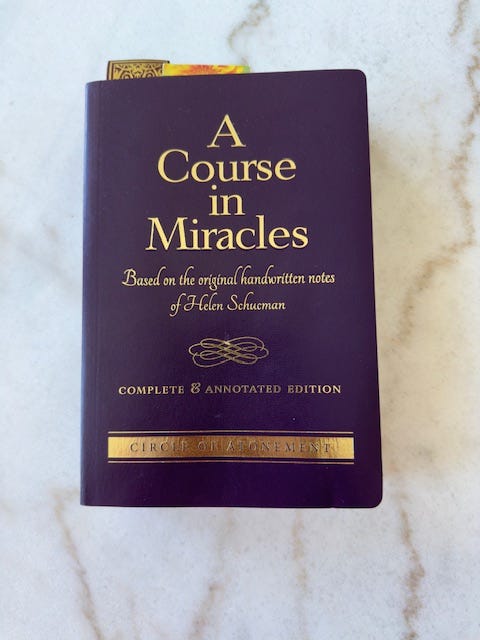
David Hoffmeister is widely known as a living demonstration that consistent peace and happiness are truly possible. Through his deep understanding and application of A Course in Miracles (ACIM), he embodies the principles of forgiveness, love, and inner freedom. His life stands as an inspiring example for those who seek to move beyond fear, doubt, and uncertainty. Rather than depending on external achievements or circumstances, Hoffmeister shows that true joy arises from a shift in the mind and a connection with one’s inner spiritual nature.
In today’s fast-paced world, many individuals struggle with stress, anxiety, and a constant search for fulfillment david hoffmeister offer a refreshing perspective by emphasizing that peace is not something to be found outside but is already present within. According to ACIM, the mind often creates illusions that lead to suffering. Hoffmeister teaches that by recognizing these illusions and choosing love instead of fear, individuals can return to a natural state of peace. This message resonates deeply with those who feel overwhelmed by modern life and are searching for a more meaningful and balanced way of living.
As a globally recognized teacher of A Course in Miracles, Hoffmeister has dedicated many years to guiding others on their spiritual journey. His teachings are not merely theoretical concepts but are grounded in lived experience. He consistently demonstrates what it means to trust divine guidance and live in alignment with spiritual truth. Through workshops, retreats, online sessions, and written works, he reaches people from all parts of the world, helping them awaken to the reality of inner peace and self-awareness.
One of the key elements of Hoffmeister’s teachings is the idea of surrendering the ego. The ego, as described in ACIM, is the part of the mind that is rooted in fear, separation, and judgment. Hoffmeister explains that as long as individuals identify with the ego, they will continue to experience conflict and dissatisfaction. However, by letting go of ego-based thinking and embracing love, it becomes possible to experience a deeper sense of freedom. This process of surrender does not mean losing oneself but rather discovering one’s true nature beyond fear and limitation.
Another remarkable aspect of Hoffmeister’s work is his approachability and humility. Despite his extensive knowledge and spiritual insight, he communicates in a way that is simple, relatable, and heart-centered. He does not present himself as superior or distant but as someone who has walked the same path and is willing to share what he has learned. This authenticity makes it easier for people to connect with his teachings and apply them in their own lives. Many students report experiencing significant shifts in perception simply by engaging with his content or attending his events.
Hoffmeister’s teachings also focus heavily on the practice of forgiveness. In his interpretation, forgiveness is not about overlooking mistakes or wrongdoing but about releasing the judgments and beliefs that cause suffering. By forgiving, individuals free themselves from the emotional burden of anger, guilt, and resentment. This leads to a sense of lightness and clarity, allowing peace to naturally emerge. Hoffmeister often emphasizes that forgiveness is the key to happiness, as it clears the mind of illusions and opens the heart to love.
In addition to forgiveness, Hoffmeister encourages individuals to release attachments to fear, guilt, and judgment. These emotions, according to his teachings, are rooted in false perceptions and can be transformed through awareness and willingness. By practicing mindfulness and self-reflection, individuals can identify these patterns and choose a different way of thinking. Over time, this leads to a more peaceful and balanced state of mind, where happiness is experienced as a natural and consistent presence rather than a temporary feeling.
Another important theme in Hoffmeister’s work is the understanding that happiness is not something that needs to be achieved or earned. Instead, it is an inherent quality of our true nature. When the mind is free from fear and aligned with love, happiness arises effortlessly. Hoffmeister teaches that by letting go of the need to control outcomes and trusting in divine guidance, individuals can experience a deeper sense of ease and fulfillment in their lives. This perspective shifts the focus from external success to internal harmony.
Furthermore, Hoffmeister’s life itself serves as a powerful example of what is possible through spiritual practice. He demonstrates that it is possible to live with consistent peace, regardless of external circumstances. His calm presence, clear communication, and unwavering trust in spiritual principles inspire others to explore their own potential for transformation. By living the teachings of A Course in Miracles, he shows that enlightenment is not an abstract idea but a practical reality that can be experienced here and now.
In conclusion, David Hoffmeister exemplifies that spiritual awakening and lasting happiness are achievable in today’s world. Through his dedication to A Course in Miracles, he provides practical guidance and a living example of how to live with peace, love, and clarity. His teachings encourage individuals to look within, release fear-based thinking, and embrace their true nature. For anyone seeking a deeper sense of purpose, joy, and inner freedom, Hoffmeister’s message serves as a powerful reminder that the peace they are searching for has always been within them.
 Corporate Gifts Dubai
  jackleen
  dubaiwebsitedesign