
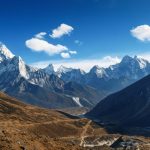
You don’t need Everest to understand the Himalayas. In fact, some of the best experiences happen far from that crowded, over-photographed corridor. If you’re browsing options like a Dubai to Nepal Holiday Package and wondering what else is out there—this is where things get interesting.
I’ve spent enough time in these mountains to know one thing: the quieter trails often stay with you longer. Less noise, fewer egos, more real connection—to the land and to yourself.
Here are some of the best Himalayan treks that aren’t Everest, and why they’re worth your time.
1. Annapurna Circuit (Nepal)
This one isn’t exactly “hidden,” but it still delivers in ways Everest Base Camp doesn’t anymore.
The diversity is what makes it special. You start in lush green valleys, pass through terraced farms, and slowly enter a dry, high-altitude desert near Manang. By the time you cross Thorong La Pass (5,416m), it feels like you’ve traveled across continents.
What most people miss:
Take your time around Manang. Acclimatization isn’t just about safety—it’s where the best side hikes are. Ice Lake, for example, is brutal but unforgettable.
Where trips go wrong:
People rush the pass. Weather changes fast up there, and a late start can turn risky.
2. Markha Valley Trek (India)
If you want something raw and less polished, Ladakh delivers.
The Markha Valley trek feels remote without being extreme. You walk through narrow canyons, cross cold rivers barefoot, and pass tiny villages that seem untouched by time. It’s quiet. Almost too quiet at times.
A moment I remember:
Waking up in a homestay, sipping butter tea while watching monks walk past in silence. No Wi-Fi. No distractions.
What most people miss:
The altitude hits harder than expected. Ladakh is already high to begin with. Don’t underestimate acclimatization.
3. Langtang Valley Trek (Nepal)
Langtang is often overlooked, which is exactly why you should go.
It’s closer to Kathmandu than most treks, but it feels surprisingly wild. Forests, waterfalls, glaciers—it’s all packed into a relatively short route.
This region was heavily affected by the 2015 earthquake, and trekking here still supports local communities directly.
Honest take:
The scenery doesn’t hit you immediately. It builds slowly. But by the time you reach Kyanjin Gompa, it’s hard not to be impressed.
Small warning:
The final climbs to viewpoints like Tserko Ri are steep and exhausting. Worth it, but don’t go in thinking it’s an easy walk.
4. Hampta Pass Trek (India)
Short, dramatic, and ideal if you don’t have weeks.
Hampta Pass is one of those treks where the landscape changes almost overnight. You start in green valleys near Manali and suddenly step into the stark, barren beauty of Spiti.
What makes it stand out:
The contrast. Few treks show such a sharp transition in such a short distance.
Where trips often go wrong:
People treat it as “easy” because it’s short. Weather near the pass can be unpredictable, and river crossings can get tricky in the afternoon.
5. Goechala Trek (India)
If you still want a close-up Himalayan giant—but without Everest crowds—this is your trek.
Goechala offers incredible views of Kanchenjunga, the third-highest mountain in the world. And honestly, it feels more intimate than Everest viewpoints.
A real moment:
Standing at sunrise, watching the first light hit Kanchenjunga. No crowd noise. Just wind and silence.
What most people miss:
The trek is long and physically demanding. The distance adds up, even if the altitude is manageable.
6. Upper Mustang Trek (Nepal)
This isn’t just a trek—it’s a cultural experience.
Upper Mustang feels like stepping into another world. Tibetan-influenced culture, ancient caves, wind-carved landscapes. It’s dry, rugged, and completely different from the green Himalayas most people expect.
Mild opinion:
If you enjoy culture as much as scenery, this beats Everest Base Camp.
Small warning:
Permits are expensive, and you need a guide. It’s not a casual trip—but that’s part of why it stays special.
7. Sandakphu Trek (India)
A good option if you want big views without extreme difficulty.
From Sandakphu, you can see four of the world’s five highest peaks—Everest, Kanchenjunga, Lhotse, and Makalu—lined up on a clear day.
What makes it different:
You can do parts of it without hardcore trekking. There are basic lodges along the way, and the trail is more forgiving.
Where people slip up:
Weather. Clouds roll in fast, and visibility can disappear completely. Timing matters here.
Why These Treks Matter More Than Everest
Everest Base Camp is iconic, yes. But it’s also crowded, expensive, and increasingly commercial.
These routes offer something quieter. More grounded. You actually notice things—local conversations, changing landscapes, your own pace.
If you’re considering something like a Dubai to Nepal Holiday Package, it’s worth looking beyond Everest. You’ll likely come back with better stories.
Final Thoughts
The Himalayas aren’t just one experience. They’re a collection of many, and Everest is only a small part of that.
If you want variety, go Annapurna.
If you want solitude, try Markha or Langtang.
If you want culture, Upper Mustang stands out.
Just don’t rush it. That’s where most trips fall apart—too much distance, too little time.
Pick one route. Do it properly. Let the mountains set the pace.
FAQs
1. Which Himalayan trek is best for beginners?
Hampta Pass and Sandakphu are good starting points. They’re manageable but still offer real mountain experiences.
2. Do I need a guide for these treks?
Not always. But for regions like Upper Mustang or remote areas in Ladakh, a guide is highly recommended—and sometimes mandatory.
3. What’s the best time to trek in the Himalayas?
Spring (March–May) and autumn (September–November) are ideal. Avoid monsoon unless you’re heading to rain-shadow regions like Ladakh.
4. How difficult are these treks compared to Everest Base Camp?
Some are easier (Sandakphu, Hampta), others are comparable (Annapurna Circuit, Goechala). Difficulty depends more on altitude and duration than popularity.
5. Is altitude sickness a concern on these routes?
Yes. Especially in Ladakh and high passes like Thorong La. Acclimatization days are not optional.
6. Can I combine trekking with a broader Nepal trip?
Absolutely. Many travelers combine cultural sightseeing in Kathmandu or Pokhara with treks like Langtang or Annapurna.
7. Are these treks crowded?
Not like Everest. Annapurna can get busy, but others like Markha Valley or Upper Mustang are still relatively quiet.
 Abhay seo
  airlinesofficelocation89
  elijajonson