
Healthcare professionals spend countless hours caring for patients, handling emergencies, and performing critical tasks that require complete focus and dedication. During these long shifts, the clothing they wear plays an important role in their comfort, mobility, and overall performance. That’s why choosing the right hospital dress is more important than many people realize.
A well-designed hospital dress does much more than create a professional appearance. It helps healthcare workers stay comfortable during demanding schedules, supports hygiene standards, allows unrestricted movement, and withstands frequent washing. Whether you’re a doctor, nurse, technician, or support staff member, selecting the right hospital uniform can make your workday much easier.
If you’re wondering what features to look for when choosing the perfect hospital dress for long medical shifts, this guide will help you make an informed decision.
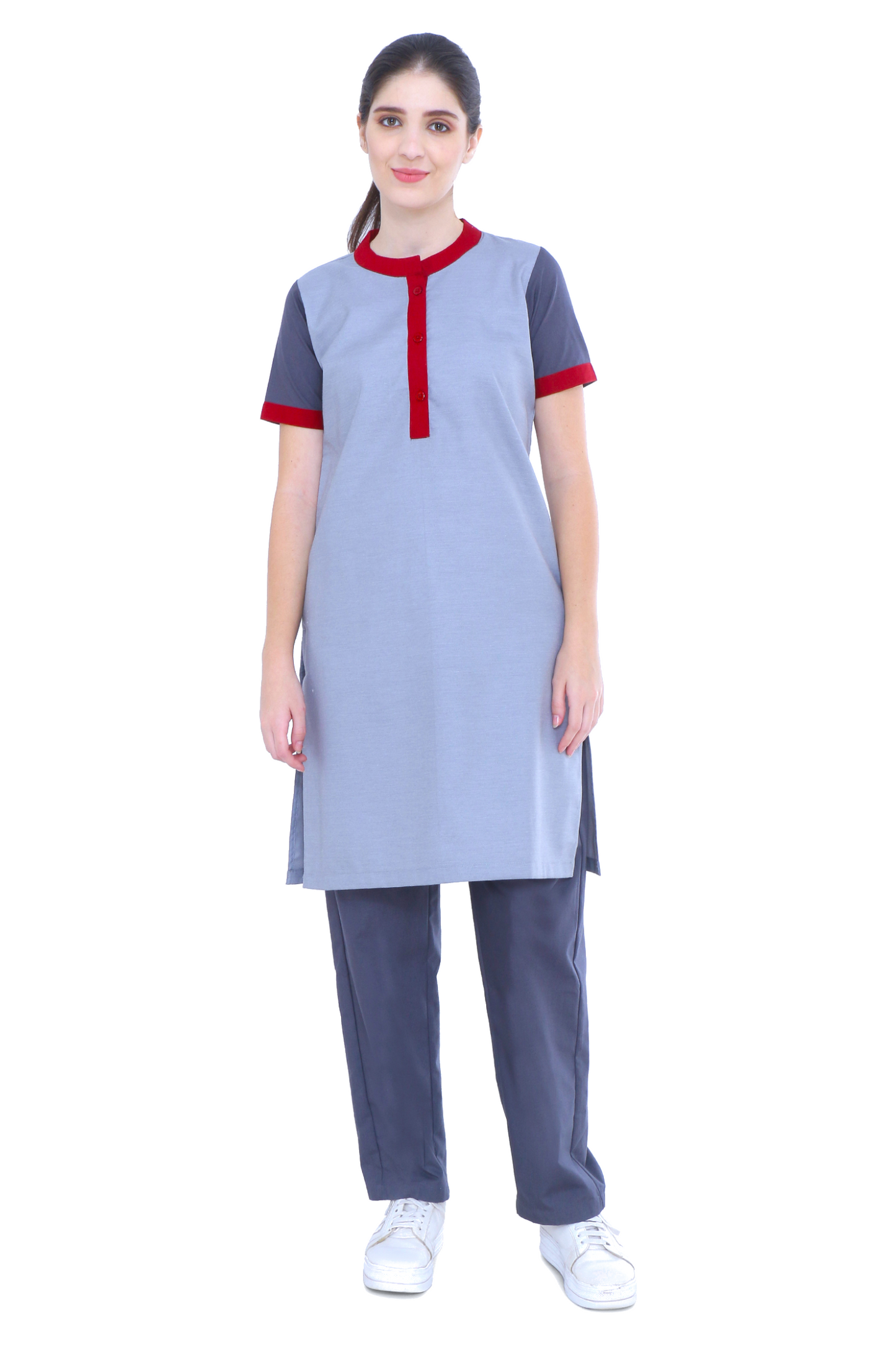
Why Choosing the Right Hospital Dress Matters
Medical professionals often work shifts lasting 10 to 12 hours or even longer. During this time, they are constantly walking, bending, lifting equipment, and attending to patients.
An uncomfortable hospital dress can lead to:
- Fatigue
- Restricted movement
- Excessive sweating
- Skin irritation
- Reduced productivity
On the other hand, a well-designed hospital dress helps healthcare professionals remain comfortable, confident, and focused throughout the day.
Comfort Should Be the Top Priority
Comfort is one of the first things to consider when selecting a hospital dress.
Since healthcare workers spend most of their day on the move, uniforms should feel light and breathable rather than heavy or restrictive.
A comfortable hospital dress allows medical professionals to perform their duties without distractions and supports better concentration during long shifts.
Choose Breathable Fabrics
Fabric plays a major role in overall comfort.
Breathable materials help regulate body temperature and improve airflow, making long working hours more manageable.
Many modern hospital dress options are made from cotton blends or polyester-cotton fabrics that balance softness with durability.
These fabrics help keep healthcare workers comfortable even during busy days.
Look for Durability
Hospital uniforms are washed frequently and worn almost every day.
A high-quality hospital dress should be able to withstand repeated washing without losing its shape, color, or strength.
Durable uniforms:
- Last longer
- Maintain their appearance
- Reduce replacement costs
- Continue looking professional after multiple washes
Investing in quality fabrics ensures long-term value.
Proper Fit Makes a Difference
A hospital dress should neither be too tight nor too loose.
The right fit allows healthcare professionals to move comfortably while maintaining a neat and professional appearance.
A properly fitted hospital dress supports:
- Easy movement
- Better posture
- Improved confidence
- Greater workplace comfort
Choosing the correct size is just as important as selecting the right fabric.
Flexibility Is Essential
Healthcare professionals frequently bend, stretch, and move quickly throughout their shifts.
A hospital dress designed with flexibility allows unrestricted movement without causing discomfort.
Modern uniforms often include ergonomic cuts that improve mobility while maintaining a polished appearance.
Easy Maintenance Saves Time
Busy healthcare workers need uniforms that are simple to care for.
A good hospital dress should:
- Be machine washable
- Dry quickly
- Resist wrinkles
- Maintain color after repeated washing
Easy maintenance ensures uniforms remain professional without requiring extra effort.
This convenience is especially valuable for professionals working multiple shifts each week.
Functional Design Improves Efficiency
Today’s healthcare uniforms are designed with practicality in mind.
A well-designed hospital dress often includes:
- Spacious pockets
- Secure stitching
- Comfortable sleeves
- Easy closures
- Practical storage options
These features allow healthcare professionals to carry essential tools and work more efficiently throughout the day.
Pockets Add Convenience
Pockets may seem like a small detail, but they are incredibly useful.
Healthcare workers often carry:
- Pens
- Notepads
- Gloves
- Small instruments
- ID cards
Functional pockets improve convenience while reducing the need to carry additional accessories.
Professional Appearance Matters
Patients often associate clean and organized uniforms with professionalism and quality care.
A neat hospital dress helps create:
- Patient confidence
- Professional identity
- Workplace consistency
- Positive first impressions
Uniforms contribute significantly to how patients perceive healthcare providers.
Maintaining a polished appearance helps strengthen trust and reassurance.
Hygiene Is a Key Consideration
Healthcare environments require strict hygiene standards.
A quality hospital dress should support cleanliness by being easy to wash and resistant to everyday wear.
Regular laundering helps remove sweat, dust, and contaminants while maintaining a hygienic workplace.
Choosing fabrics designed for frequent cleaning contributes to better infection control practices.
Moisture Management Improves Comfort
Long shifts often involve constant movement and physical activity.
A hospital dress made with moisture-managing fabrics helps reduce sweat buildup and keeps the wearer feeling fresh for longer periods.
Better moisture control contributes to improved comfort and workplace performance.
Healthcare professionals can stay focused without discomfort caused by excessive perspiration.
Color and Department Coordination
Many hospitals assign different uniform colors to various departments.
This system makes it easier for patients and staff to identify:
- Doctors
- Nurses
- Laboratory technicians
- Administrative teams
- Support staff
Choosing the appropriate hospital dress according to departmental guidelines promotes organization and effective communication.
Sustainability Is Becoming More Important
Many healthcare organizations are adopting sustainable apparel solutions.
Reusable and durable hospital dress options help reduce textile waste while providing long-term value.
Choosing high-quality uniforms that last longer supports both environmental responsibility and cost savings.
Sustainable fabrics are becoming increasingly popular in modern healthcare settings.
Why Fabric Quality Should Never Be Overlooked
Fabric quality affects every aspect of a hospital dress, including:
- Comfort
- Breathability
- Durability
- Appearance
- Maintenance
Premium materials maintain their softness and professional look even after repeated washing.
This ensures healthcare professionals continue to feel comfortable throughout demanding work schedules.
Blended Fabrics Offer the Best Balance
Many hospitals prefer polyester-cotton blends because they combine:
- Breathability
- Durability
- Easy maintenance
- Wrinkle resistance
- Long-lasting appearance
These blends offer an excellent balance for everyday healthcare use.
Investing in the Right Hospital Dress Benefits Everyone
Choosing the right hospital dress is not just beneficial for healthcare professionals—it also improves the patient experience.
Comfortable and confident employees often provide better service, communicate more effectively, and maintain higher workplace morale.
Well-designed uniforms contribute to:
- Better productivity
- Improved teamwork
- Enhanced professionalism
- Greater patient satisfaction
A quality uniform supports the overall healthcare environment.
Final Thoughts
Selecting the right hospital dress for long medical shifts requires careful consideration of comfort, durability, fit, functionality, and hygiene. Healthcare professionals rely on their uniforms every day, making it essential to choose apparel that supports both performance and well-being.
The ideal hospital dress combines breathable fabrics, practical design, easy maintenance, and professional appearance to help medical staff stay comfortable and confident throughout their demanding schedules.
Investing in high-quality healthcare uniforms is an investment in employee satisfaction, workplace efficiency, and better patient care.
Frequently Asked Questions
1. What fabric is best for a hospital dress?
Polyester-cotton blends are commonly preferred because they offer comfort, durability, breathability, and easy maintenance, making them ideal for long medical shifts.
2. How often should a hospital dress be washed?
A hospital dress should be washed after every shift to maintain hygiene, remove contaminants, and ensure a clean and professional appearance.
3. Why is comfort important in a hospital dress?
Comfort helps healthcare professionals stay focused during long shifts by reducing fatigue, allowing easy movement, and improving overall workplace performance.
4. What features should I look for in a hospital dress?
Look for breathable fabric, durable stitching, proper fit, functional pockets, wrinkle resistance, and easy-care materials for maximum comfort and practicality.
5. Can a good hospital dress improve productivity?
Yes. A comfortable and well-designed hospital dress supports better mobility, reduces distractions, boosts confidence, and helps healthcare professionals perform their duties more efficiently.
6. Why do hospitals use different colored uniforms?
Different colors help identify departments and staff roles quickly, improving communication, organization, and patient navigation within healthcare facilities.
 Essential Hoodies
  denimtears
  waimea_online