
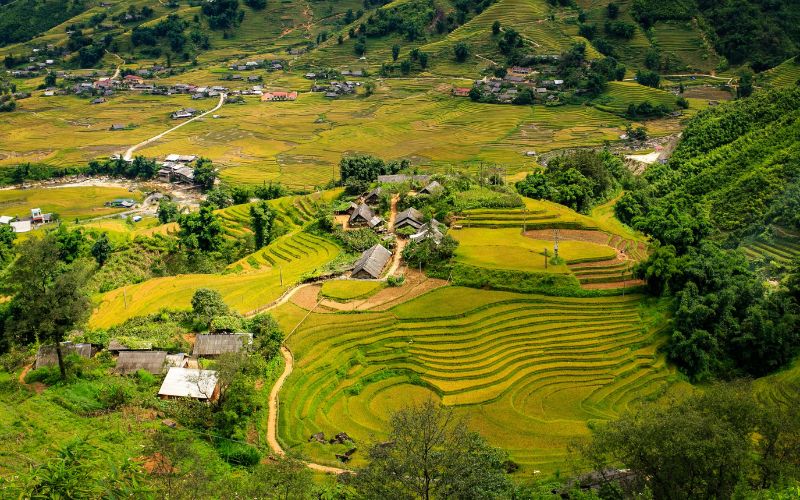
Vietnam’s nature doesn’t sit quietly in the background. It pushes itself into your plans. Roads curve around limestone cliffs. Rivers decide the pace of your day. Mountains change the weather without warning.
I’ve had mornings in Vietnam that started with mist so thick I could barely see the path, only for the sun to break through an hour later and completely change the landscape. That unpredictability is part of the appeal.
If you’re traveling for scenery rather than cities—or balancing both, like many Southeast Asia tours including Vietnam from UAE do—these are the nature destinations that actually deliver once you’re on the ground.
Ha Long Bay
Ha Long Bay is famous, and yes, it’s busy. But it’s also genuinely beautiful.
Thousands of limestone islands rise straight out of the water, often wrapped in haze. The scale is hard to grasp until you’re there, watching boats slip between towering cliffs.
The mistake most people make is choosing the cheapest, fastest cruise. That’s where the crowds and noise pile up. Slightly longer routes that go farther out feel calmer and more atmospheric.
Most people miss this: early mornings on deck. Quiet water, soft light, and far fewer boats.
Ninh Binh
Often called “Ha Long Bay on land,” Ninh Binh feels more grounded and less chaotic.
Rice fields stretch between limestone karsts, and rivers wind slowly through them. Cycling here is easy and rewarding. Boats glide through caves at a pace that forces you to slow down.
This is a place for half-days, not rushed stops. Sit somewhere. Watch farmers work. Let the heat pass.
Where trips often go wrong: trying to squeeze Ninh Binh into a few hours from Hanoi. Stay overnight if you can.
Phong Nha-Ke Bang National Park
This is Vietnam at its wildest.
Phong Nha is home to some of the largest caves in the world, but the area itself is just as impressive. Jungle-covered hills, quiet rivers, and trails that feel properly remote.
Cave tours range from easy boat rides to full-day treks and swims. You don’t need to be an adventurer to enjoy it, but you do need time.
Small warning: weather matters. Heavy rain can cancel activities quickly.
Sapa
Sapa divides opinion. The town itself has grown fast and can feel crowded. Step outside it, though, and things change.
Terraced rice fields spill down mountainsides. Villages sit quietly along narrow paths. Hiking here is less about difficulty and more about immersion.
Go with a local guide if possible. Routes make more sense, and conversations add depth.
Honest observation: visibility isn’t guaranteed. Fog is common. When it clears, it’s stunning.
Ha Giang
Ha Giang feels like the edge of the country. Because in many ways, it is.
This region is rugged, dramatic, and far less visited than Sapa. The landscapes are raw—sharp mountains, deep valleys, winding roads that demand attention.
Motorbike loops are popular, but they’re not casual rides. Roads are narrow. Weather changes fast.
Most people miss this entirely, which is why it still feels authentic.
Mekong Delta
Nature here is flat, watery, and alive.
The Mekong Delta isn’t about big views. It’s about movement. Boats, markets, canals, daily routines shaped by water.
Early mornings matter. Floating markets are quietest before sunrise. After that, it’s mostly tour groups.
This is a good counterbalance if your trip includes mountains or long travel days.
Con Dao Islands
Con Dao is quieter than most of Vietnam’s beach destinations.
Forested hills drop into clear water. Beaches feel undeveloped. National park trails cut through dense greenery.
It’s not nightlife-focused. That’s the point. Evenings are calm. Days are slow.
This works well for travelers combining nature and rest, including those on longer Southeast Asia tours including Vietnam from UAE where downtime matters.
Ba Be National Park
Less famous, deeply peaceful.
Ba Be centers around a large freshwater lake surrounded by forested hills. Boat trips, short hikes, and village stays define the experience.
It’s not dramatic like Ha Giang or Phong Nha, but it stays with you in a quieter way.
Tip: go if you want calm more than spectacle.
Final Thoughts
Vietnam’s nature isn’t something you tick off between cities. It asks you to slow down, adjust plans, and sometimes accept imperfect conditions.
Choose fewer places. Stay longer. Balance famous spots with lesser-known ones. And don’t panic when weather shifts your schedule—that’s normal here.
Whether you’re traveling independently or as part of broader Southeast Asia tours including Vietnam from UAE, Vietnam’s landscapes reward patience more than speed.
That’s when the country feels less like a destination and more like an experience.
FAQs
1. What’s the best time to visit Vietnam for nature?
March–May and September–November are generally best.
2. Is Vietnam good for hiking and outdoor travel?
Yes, especially in the north and central regions.
3. Do I need guides for nature areas?
Helpful for trekking and remote regions, optional elsewhere.
4. Are these destinations crowded?
Some are. Timing and overnight stays help avoid crowds.
5. How much time should I allow for nature travel?
At least 8–12 days for a balanced trip.
6. Can I combine nature and cities easily?
Yes. Vietnam’s transport makes this straightforward.
 martin12
 flytripinfo
 Reservarvuelos